
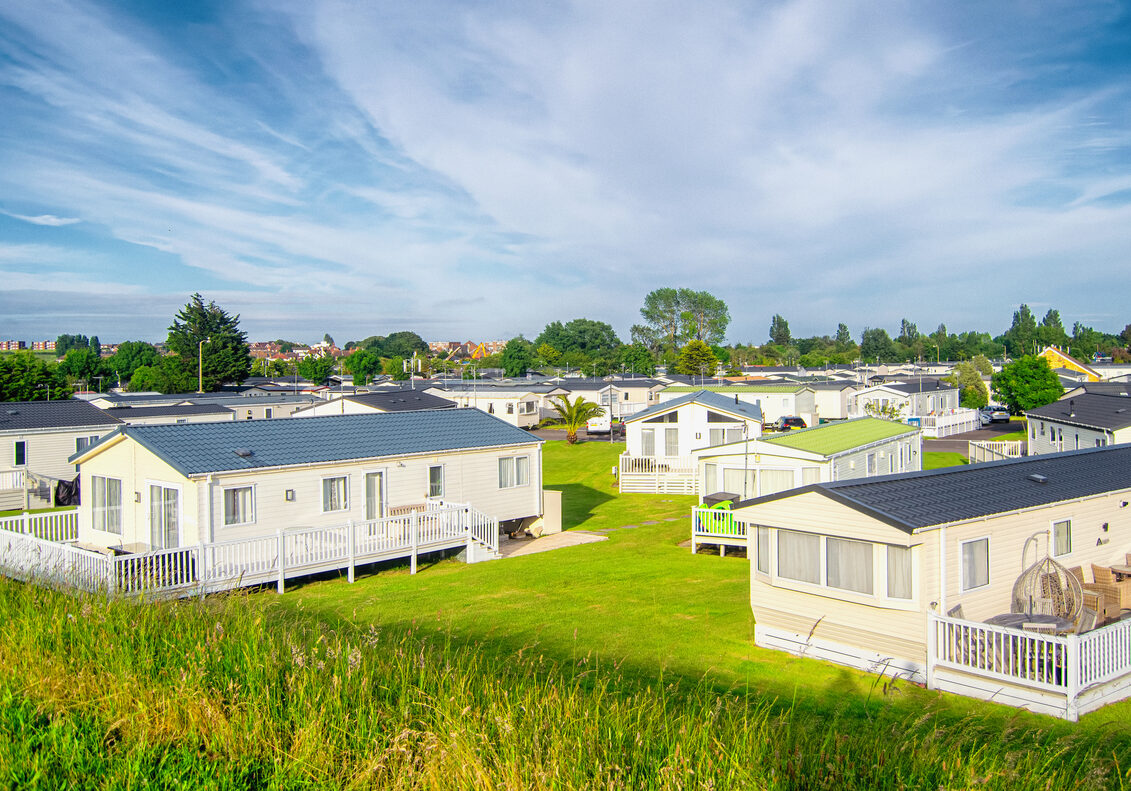

Caring For Your Static Caravan: Essential Maintenance Tips
by Northern Life
The best maintenance tips that will help keep your static caravan in good shape all year round.
Going on holiday is quite expensive nowadays. In a bid to escape affordably, most families are turning to static caravans. A caravan set in a perfect location gives you a balance of holiday and a homely feel. However, just like our homes, they require regular cleaning and periodic repairs to ensure they are in good condition.
When you delay maintenance, you may start noticing dampness building up, doors and windows stop moving freely, plumbing and electronics begin to fail, and even annoying pests like cockroaches invade your home. Instead of being a comfortable place to unwind, it becomes a stressful environment.
By correctly maintaining your caravan on time, you can arrest issues before they escalate. To do that, you need a checklist that ensures no vital maintenance task is left out. That’s what this guide is about; read on for the best maintenance tips that will help keep your static caravan in good shape all year round.
1. Start with a Thorough Clean
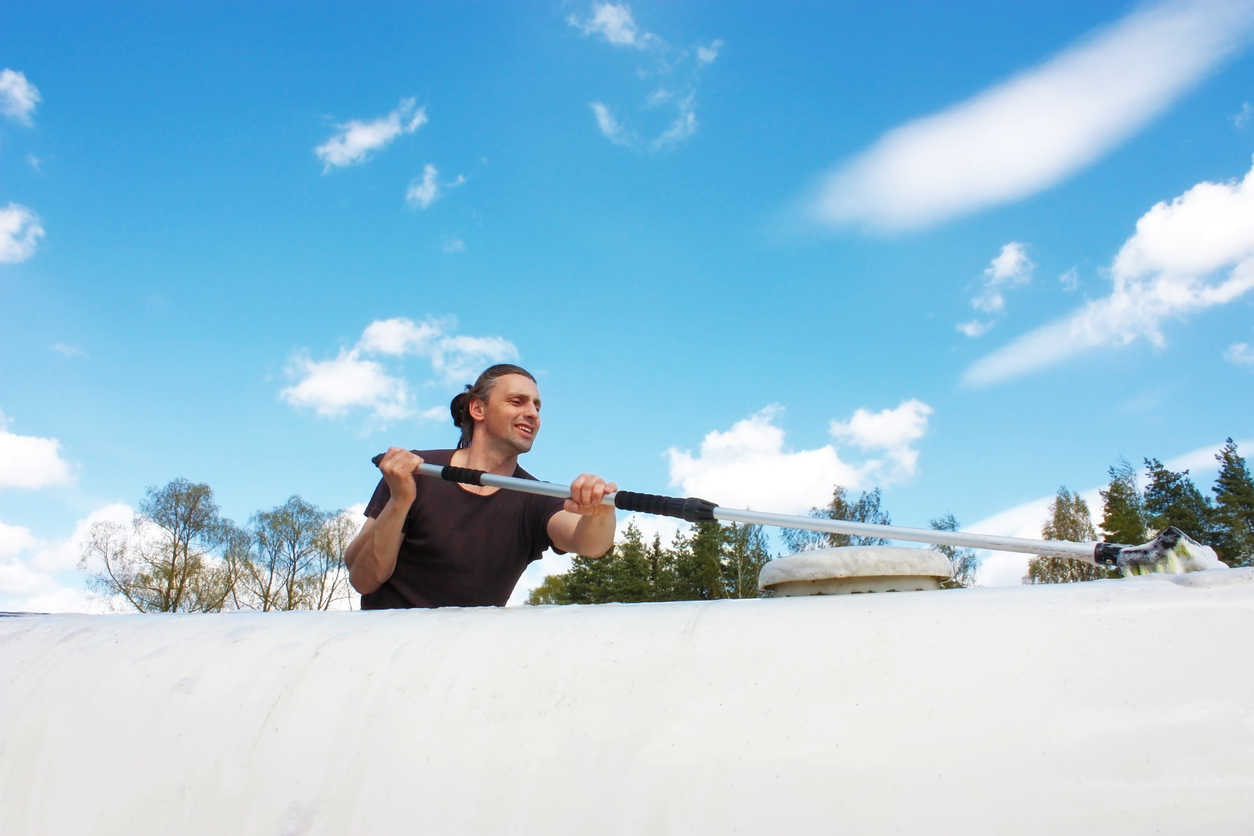
Keeping the static caravans clean makes them livable and keeps your furniture, interior fittings, and appliances in good condition. So, be sure to:
- Clean the bathroom
- Clean kitchen cabinets and floor
- Wipe the windows and doors
- Dust furniture and bedding
- Vacuum the carpet
- Wash curtains
When cleaning, always use a disinfectant to kill germs that accumulate on surfaces.
2. Check Ventilation
You’d be surprised at how fast moisture builds up in a small space. Proper ventilation maintenance is crucial for preventing dampness and maintaining a fresh space. Start with opening windows regularly to let in fresh air and allow circulation.
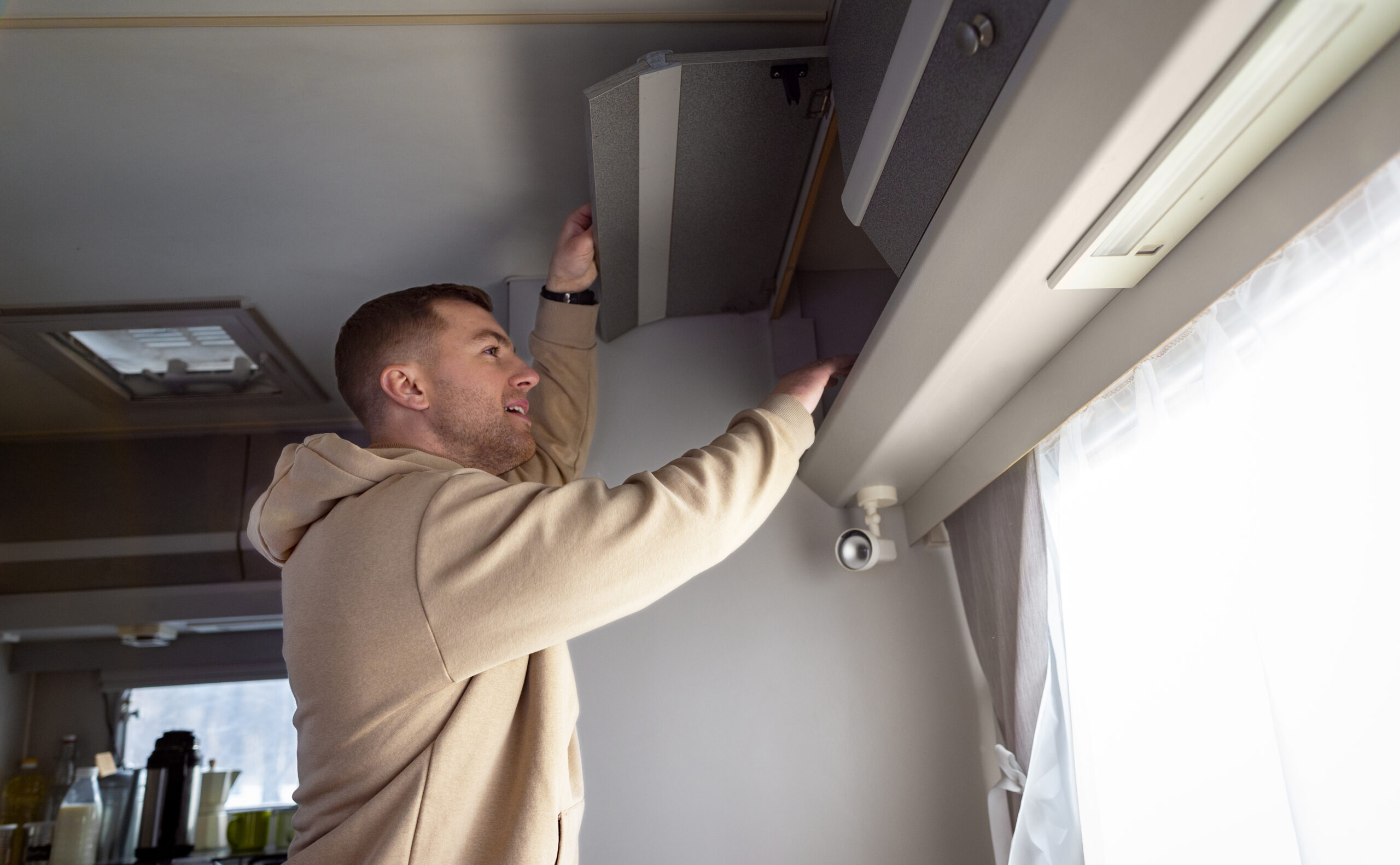
Check the air vents and clear any blockages to keep them free from debris and ensure they remain operational for proper ventilation. You can use dehumidifiers to remove moisture and improve air quality inside your caravan.
3. Keep Things Neat and Organised
Clutter often starts small, but before you realise it, you are dealing with piles that make living in such a small space feel overwhelming. The best way to deal with clutter is to prevent the problem from arising by adopting good habits. Make your bed first thing in the morning, clean immediately after meals, wash clothes regularly, and dispose of clutter bit by bit.
To keep things organised, invest in sufficient storage solutions, such as under-bed storage, boxes, and wall shelves, to help ensure everything is kept in its designated place. A tidy space makes routine cleaning a lot easier.
4. Inspect Doors and Windows
These are crucial parts of your caravan, but being exposed to the elements, they can easily be damaged. Regular inspection of the doors and windows is essential to ensure they are free from rust that eats away at the moving parts. If you notice cracks and damaged seals, replace them immediately to prevent further damage.
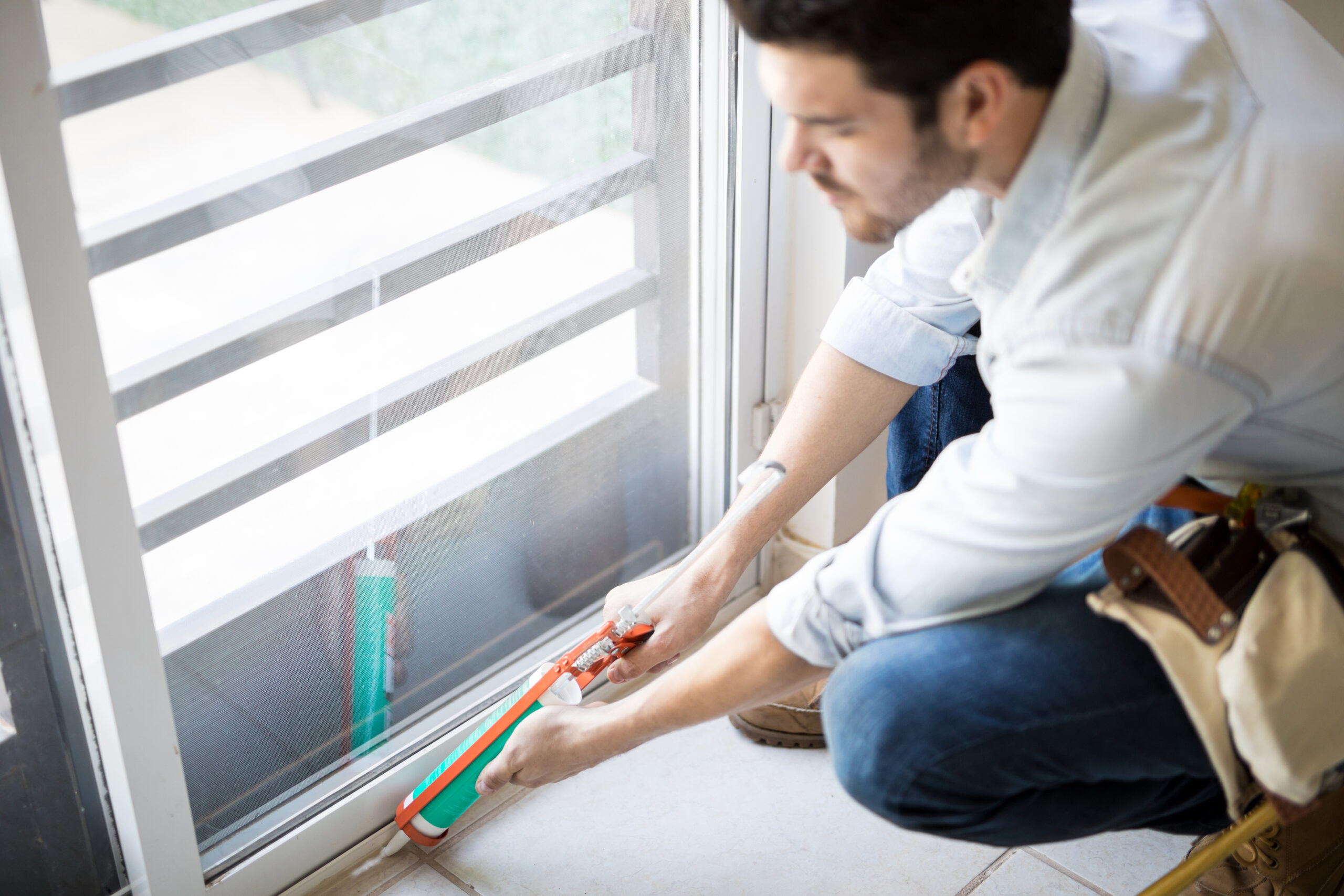
Over time, dirt accumulates around the hinges and frames, interfering with their smooth operation. You can use a brush to clean this area and then apply lubricant to allow smooth movements.
5. Perform Safety Checks
Safety is non-negotiable. Sensitive areas, including drainage, gas supply, and electrical components, require regular maintenance. But most of these are best left to professionals. If you notice any unusual smells from leaking gas, flickering lights, non-functioning sockets, or water leaks, have a technician inspect the issue. You can even take it a step further by installing alarms that detect gas leaks to keep the caravan safe even when no one is around. Owners and caretakers can benefit from health and safety online training to better understand hazard identification and emergency procedures—especially in remote or seasonal locations.
6. Inspect the Structure
Caravans become weak as they grow old. So, if your caravan has been standing for a long time, hidden structural problems could be forming slowly. Performing structural integrity checks is crucial for identifying issues early.
Inspect the frames, wall panels, chassis, and anchor chains for potential defects or failures. Any minor signs of corrosion or deterioration should not be ignored. Instead, call in an expert to check and fix it.
7. Manage Pests
To keep your caravan pest-free, routine cleaning and inspections are key. You want to spot early signs of pests, such as droppings and unpleasant odours, before they multiply and take over your space. You can use the right chemicals to eliminate pests and then seal all gaps, cracks, and holes that serve as entry points.
Adopting good practices makes your work easier. Always keep food in sealed containers and keep the space clean to prevent cockroaches from infesting the area. Proper Ventilation also prevents dampness that could attract mould.
If the infestation is severe, hire a professional. With their experience and skills, they are better equipped to perform a thorough inspection and fumigation to exterminate the pests completely. They will also advise on preventive techniques to keep your caravan safe.
Conclusion
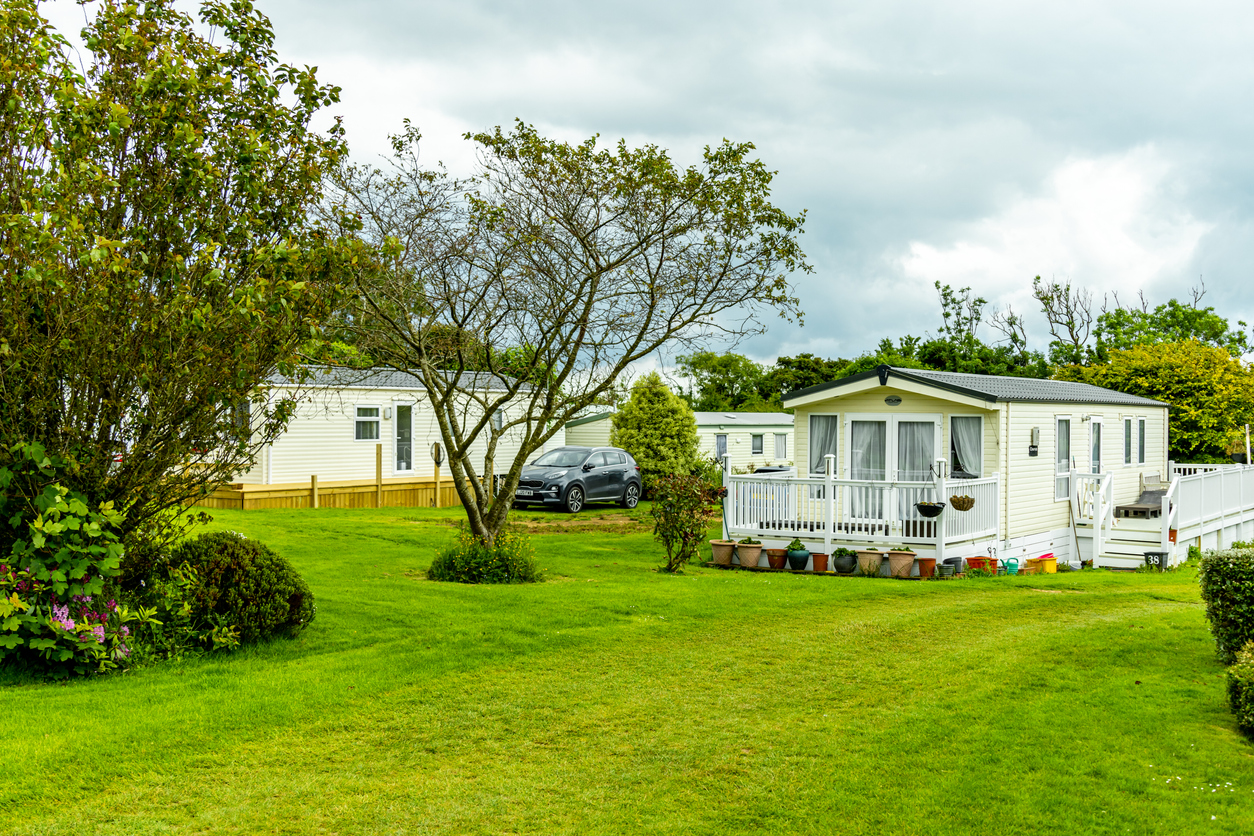
Purchasing a static caravan is a significant undertaking. Once you’ve put down your hard-earned money, taking care of it shouldn’t be a hassle. With these maintenance tips, caring for it throughout the years should be much easier. It makes it comfortable and relaxing, which is precisely the point of a holiday home.
Using this guide, create a checklist tailored to your needs to ensure the caravan is well-maintained. And while you can do most of the maintenance, always get a professional to handle the serious stuff.
To comply with regulations, you’ll need inspection certificates, which reinforce the importance of working with a qualified professional. Remember, fixing it early is the best way to prevent headaches from costly repairs later on. Additionally, it gives you peace of mind to know that everything is in order.