

Building a Safer Worksite Through Smarter PPE Choices
by Northern Life
A culture where safety feels practical rather than forced is created by having clear standards and the right tools.
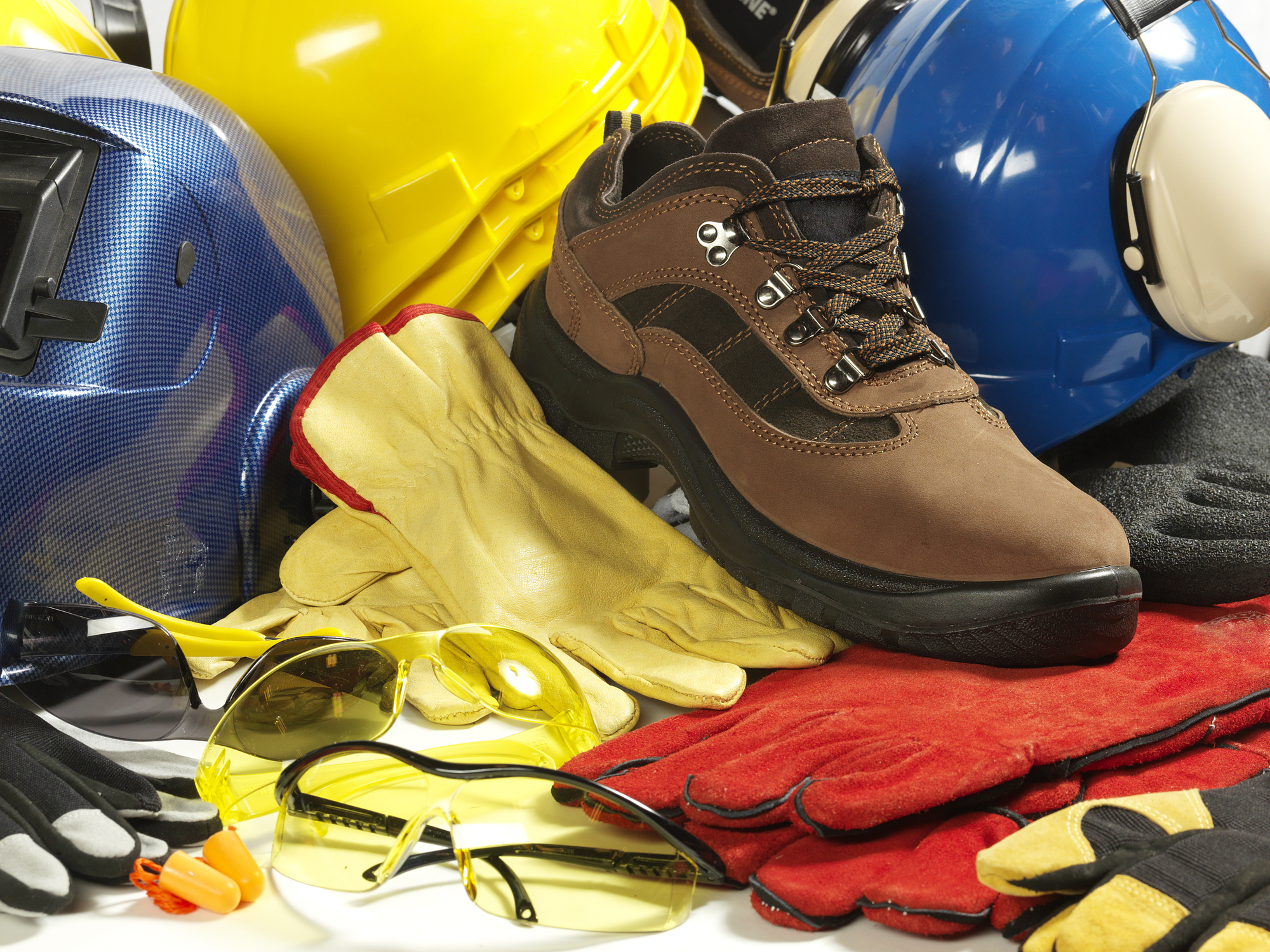
Rarely does risk declare itself before doing damage. On busy sites with a lot of activity, noise, and pressure, safety becomes a daily necessity. Making deliberate equipment choices influences behaviour, lowers the number of incidents, and promotes continuous compliance. Personal protective equipment functions best when it is in line with actual tasks rather than theoretical guidelines.
Understanding How PPE Influences Behaviour
Enforcement does not guarantee compliance. Workers use protective gear when it feels suitable for the situations encountered during a shift. Restrictive clothing discourages use, while poorly constructed garments prompt workarounds. Equipment has an impact on posture, movement, and awareness that cannot be addressed by training alone.
A pattern emerges from observations made in several businesses. People wear clothing that allows them to move and adapt to changing weather conditions. Comfort promotes consistency, which reduces exposure to risks. Without constant supervision, safe practices are supported by good design.
Why Legwear Plays a Critical Safety Role
Lower body protection is frequently overlooked in favour of gloves or helmets. This oversight has repercussions. Legs come into contact with rough surfaces, sharp edges, machinery, and debris. Vulnerability during slips or unexpected impacts is increased by inadequate coverage.
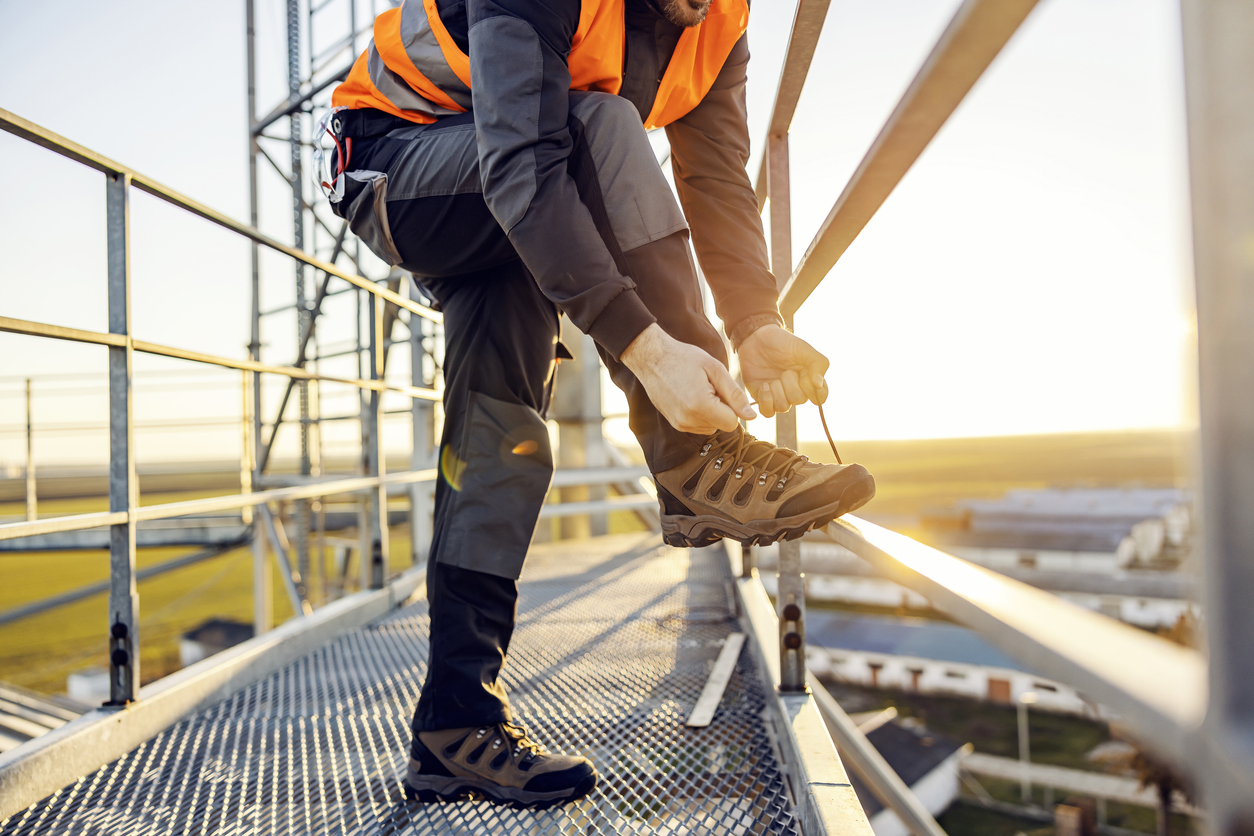
Utilising hi vis trousers can improve both leg protection and visibility. In addition to protecting skin from harm, bright fabric paired with reinforced panels increases vehicle operators’ awareness. Placement is important since early attention impacts recall and priorities.
Matching PPE to Environmental Demands
Sites vary greatly. The difficulties in indoor facilities are distinct from those in outdoor spaces. Surface conditions, lighting, and weather should all be taken into consideration. While breathable textiles make enclosed spaces comfortable, waterproof materials are appropriate for open areas.
Ignoring context results in misuse. Warm weather encourages the removal of bulky clothing. Concentration is diminished in cold environments by thin layers. By respecting the job and the surroundings, appropriate matches reduce the number of reasons for divergence.
Seasonal Adjustments Matter
Temperature changes necessitate adaptability. Ventilation and moisture management are necessary throughout the summer. Bulk-free insulation is necessary throughout the winter. Flexible systems allow for adaptability without having to replace entire kits.
Terrain Should Guide Fabric Choice
Wear is increased by rough terrain. Durable fibres and reinforced stitching increase longevity. Smooth surfaces allow for lighter designs. Adapting to terrain lowers replacement costs while increasing reliability.
Comfort as a Compliance Tool
Mental focus is supported by physical comfort. Clothing that hinders movement, pinches, or overheats draws attention away from potential dangers. Wearing comfortable clothing helps employees focus entirely on their work.
Another factor is psychological acceptance. Resistance decreases when the equipment feels appropriate. Instead of being reluctant participants, teams become partners in safety. Comfort is no longer a luxury but rather an operational tool.
Visibility and Awareness Beyond Colour
Placement and contrast are more important for high visibility than just brightness. When moving, light is captured by reflective elements placed around the knees and calves. That motion captures more attention than static panels.
When visibility is integrated with design, awareness increases. The effect is diminished by poorly positioned strips. Strategic placement improves recognition from a variety of perspectives, particularly in dimly lit or congested environments.
Training and PPE Selection Must Align
Education fails when the equipment contradicts the directions provided. If trousers make it difficult to bend, then teaching safe lifting is meaningless. When legwear hinders stride, promoting awareness fails. Learning is reinforced when advice and equipment are in sync.

The connection is strengthened when employees are involved in the selection process. Early feedback identifies points of friction. Modifications based on experience improve efficacy and acceptance.
Long-Term Value Through Smarter Choices
Purchase decisions are frequently influenced by the initial cost. Long-term worth is also important. Durable clothing lowers the need for frequent replacements. Incident rates are reduced by increased compliance. Fewer injuries result in less downtime and increased morale.
Making smarter decisions also simplifies management. Confusion is decreased with standardised yet flexible kits. A culture where safety feels practical rather than forced is created by having clear standards and the right tools.
It takes careful planning to create a safer workplace. The clothing you wear may appear insignificant, yet its effects extend to behaviour, comfort, and visibility. Careful selection creates settings in which safety becomes second nature by turning protection from obligation into routine.