

Brown Bear Photography Art: Capturing Power, Presence, and the Wild Story Within
by Northern Life
There is something undeniably compelling about the brown bear. Massive yet measured, powerful yet often surprisingly gentle, it occupies a rare space in the natural world — both feared and revered. For photographers, brown bears offer more than a striking subject. They present an opportunity to capture texture, emotion, and narrative in its purest form.
Brown bear photography art goes beyond documenting wildlife. It invites the viewer into a moment of stillness or movement, revealing the animal’s quiet intelligence and the raw environment it inhabits. When done thoughtfully, these images become less about scale and spectacle and more about connection.
Seeing Beyond Size
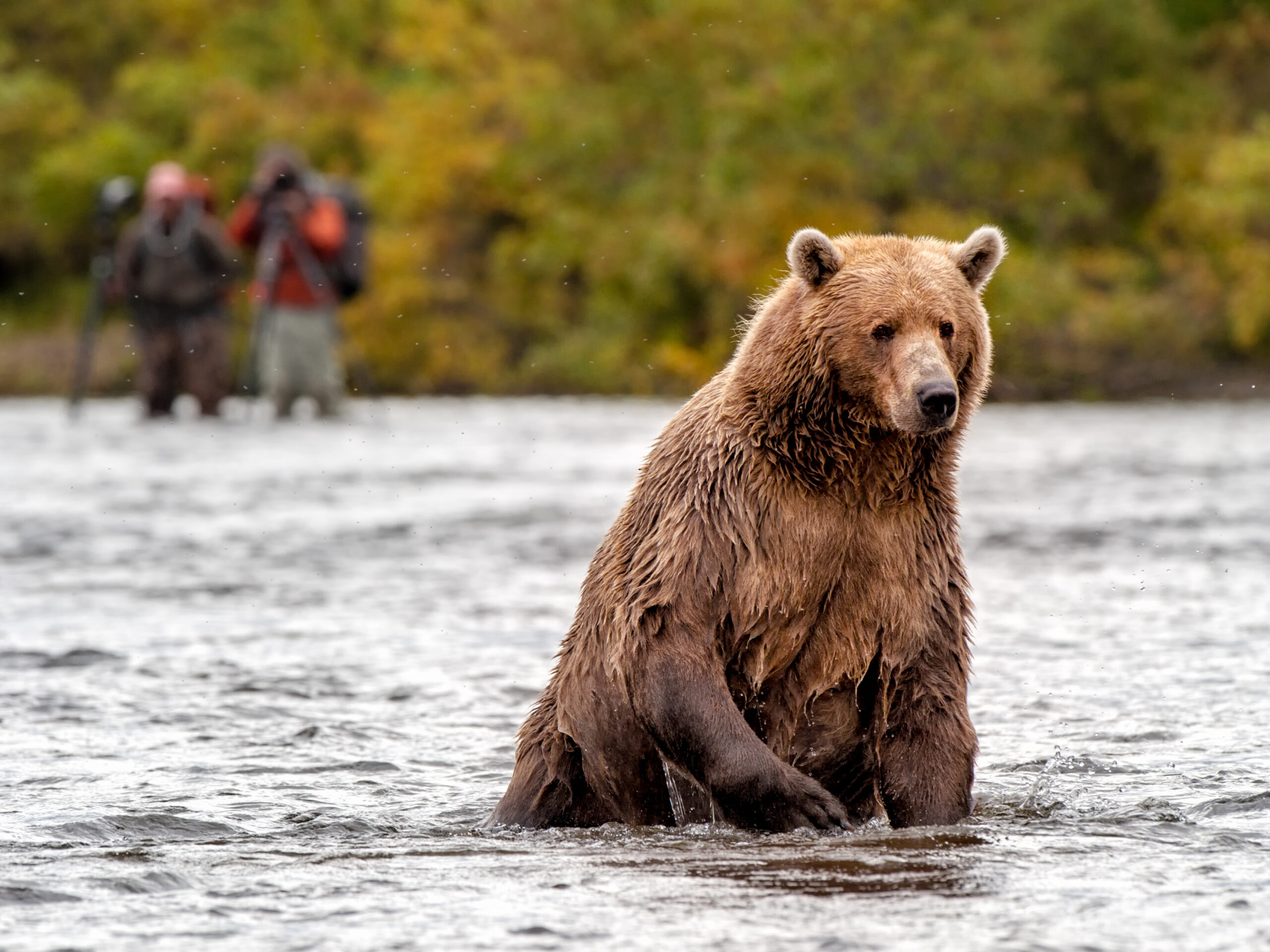
It’s easy to be drawn to the sheer physicality of a brown bear — the broad shoulders, dense fur, and commanding stance. But the most memorable images often emerge when the focus shifts from size to presence.
In photography art, restraint can be just as powerful as drama.
A bear standing motionless at the edge of a river, water rippling around its legs. A close-up of fur matted with rain, catching the light in subtle layers. A sideways glance that hints at awareness rather than aggression. These moments offer depth and invite the viewer to pause.
In photography art, restraint can be just as powerful as drama. By allowing space around the subject and avoiding overly crowded compositions, the bear is given room to exist naturally within the frame. This quiet approach often results in images that feel timeless rather than theatrical.
Texture as a Storytelling Tool
Texture plays a central role in brown bear photography. The coarse layering of fur, the damp sheen from river crossings, the contrast between dark claws and pale stone — each detail adds dimension to the image.
When photographed thoughtfully, texture becomes a narrative device. It speaks of seasons survived, environments endured, and the physical reality of life in the wild. Close framing can emphasise these tactile qualities, while wider compositions allow texture to interact with the surrounding landscape.
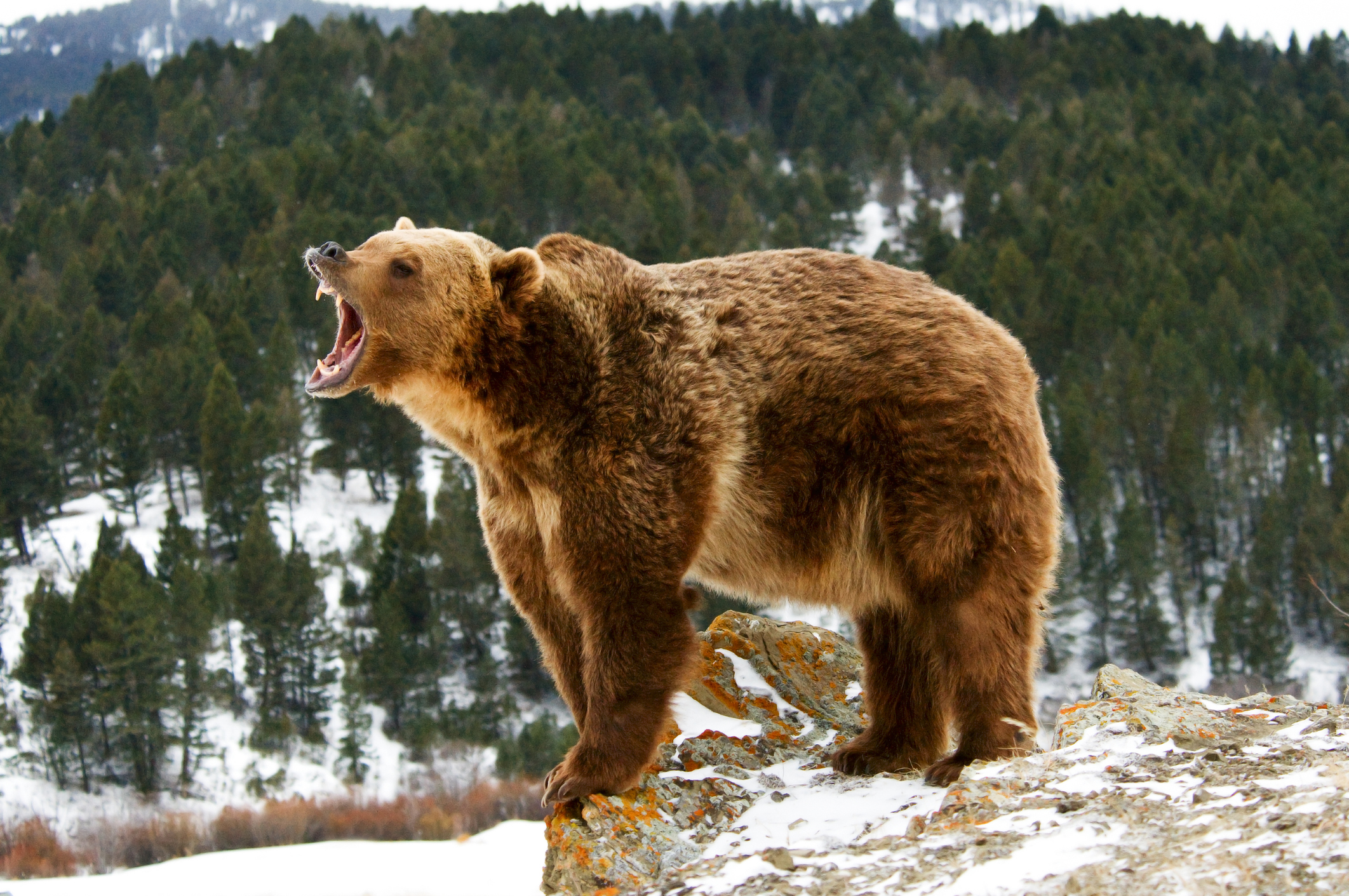
Snow clinging to fur tells a different story than dust rising from a summer trail. The environment isn’t simply a backdrop; it’s an active participant in the image. This relationship between subject and setting is what gives brown bear photography its depth.
Light, Mood, and Natural Atmosphere
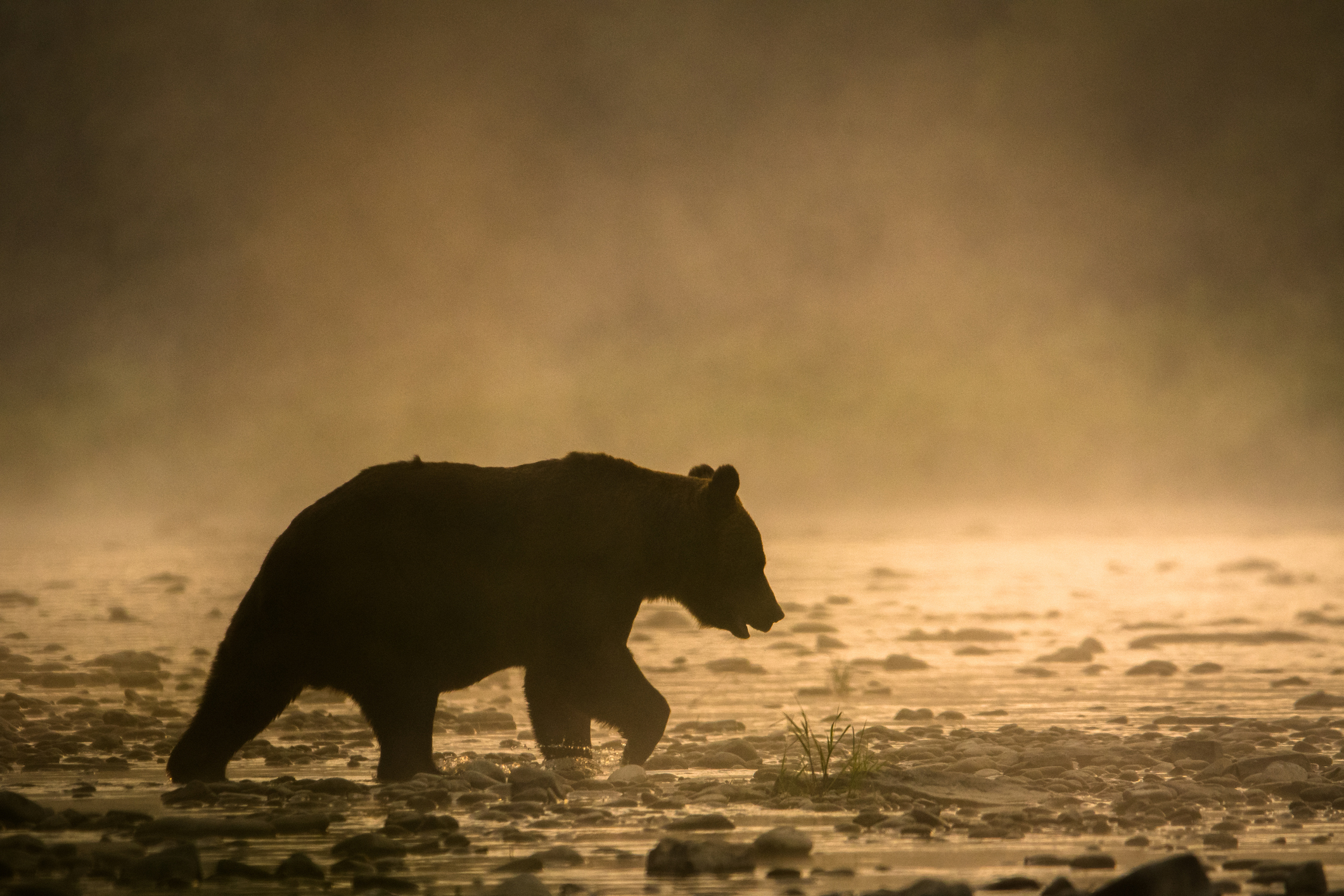
As with all nature photography, light defines mood. Soft, overcast light can bring out fine details in fur and reduce harsh contrast, lending a calm, contemplative feel. Early-morning or late-evening light adds warmth and subtle colour shifts that complement the bear’s earthy tones.
Mist, rain, snowfall, and shadow all contribute to the atmosphere.
Rather than chasing dramatic lighting alone, many photographers find that consistent, natural light better serves the subject. It allows the bear to feel grounded and real, avoiding the artificial intensity that can sometimes overwhelm the image.
Mist, rain, snowfall, and shadow all contribute to the atmosphere. These elements add layers without distraction, enhancing the sense of place and moment. In brown bear photography art, atmosphere often carries as much emotional weight as the animal itself.
Composition That Respects the Subject
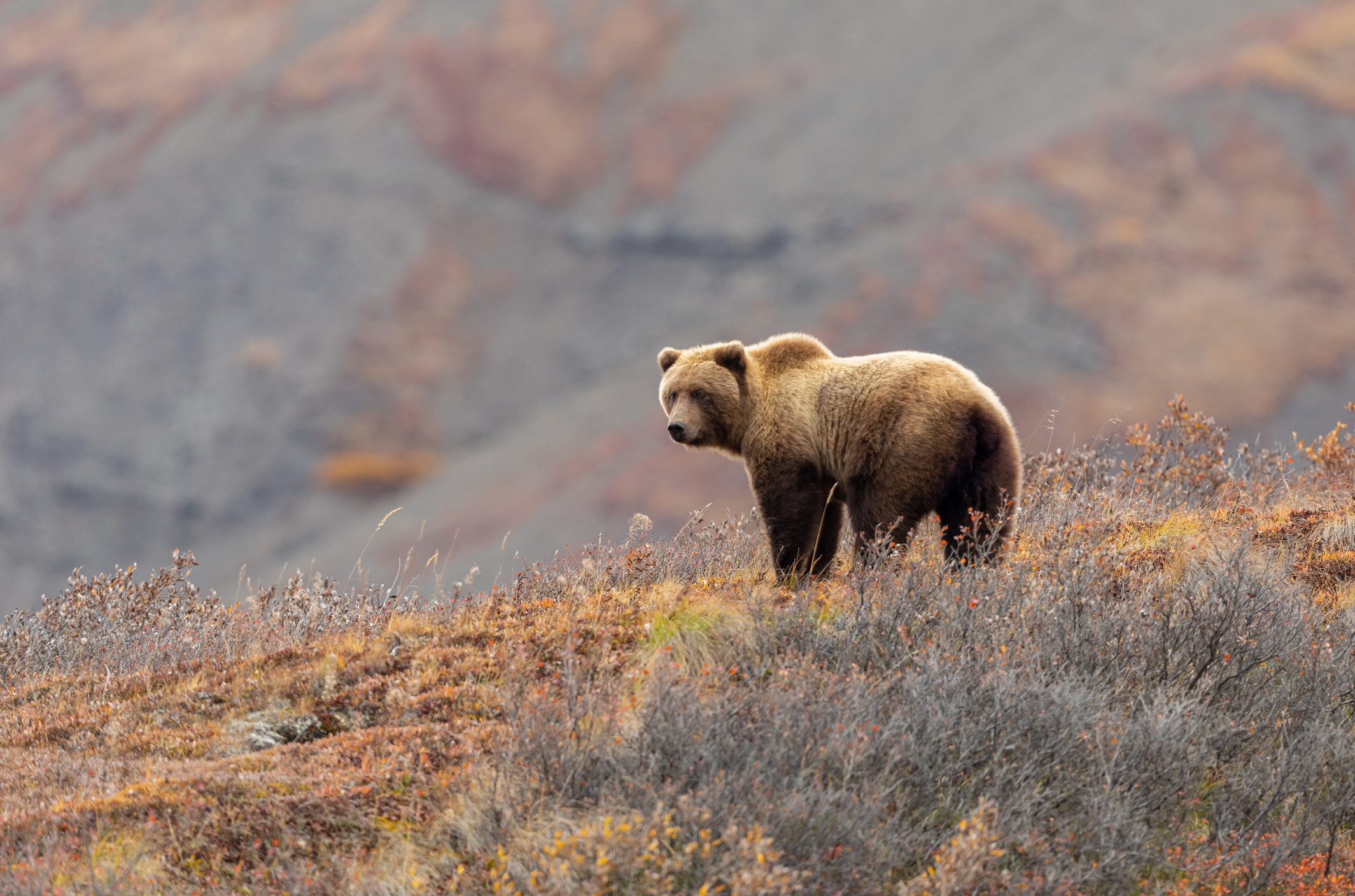
Composition in wildlife photography is not just about aesthetics — it’s about respect. Brown bears are not props; they are living beings with their own space, habits, and rhythms.
Using framing techniques that guide the viewer’s eye without confining the subject helps maintain this balance. Natural frames such as tree lines, riverbanks, or mountain slopes can add depth while keeping the focus where it belongs.
Negative space is particularly effective. Leaving areas of open landscape within the frame allows the bear to feel part of a larger ecosystem rather than isolated within it. This approach often results in images that feel quieter, more grounded, and more emotionally resonant.
Movement Versus Stillness
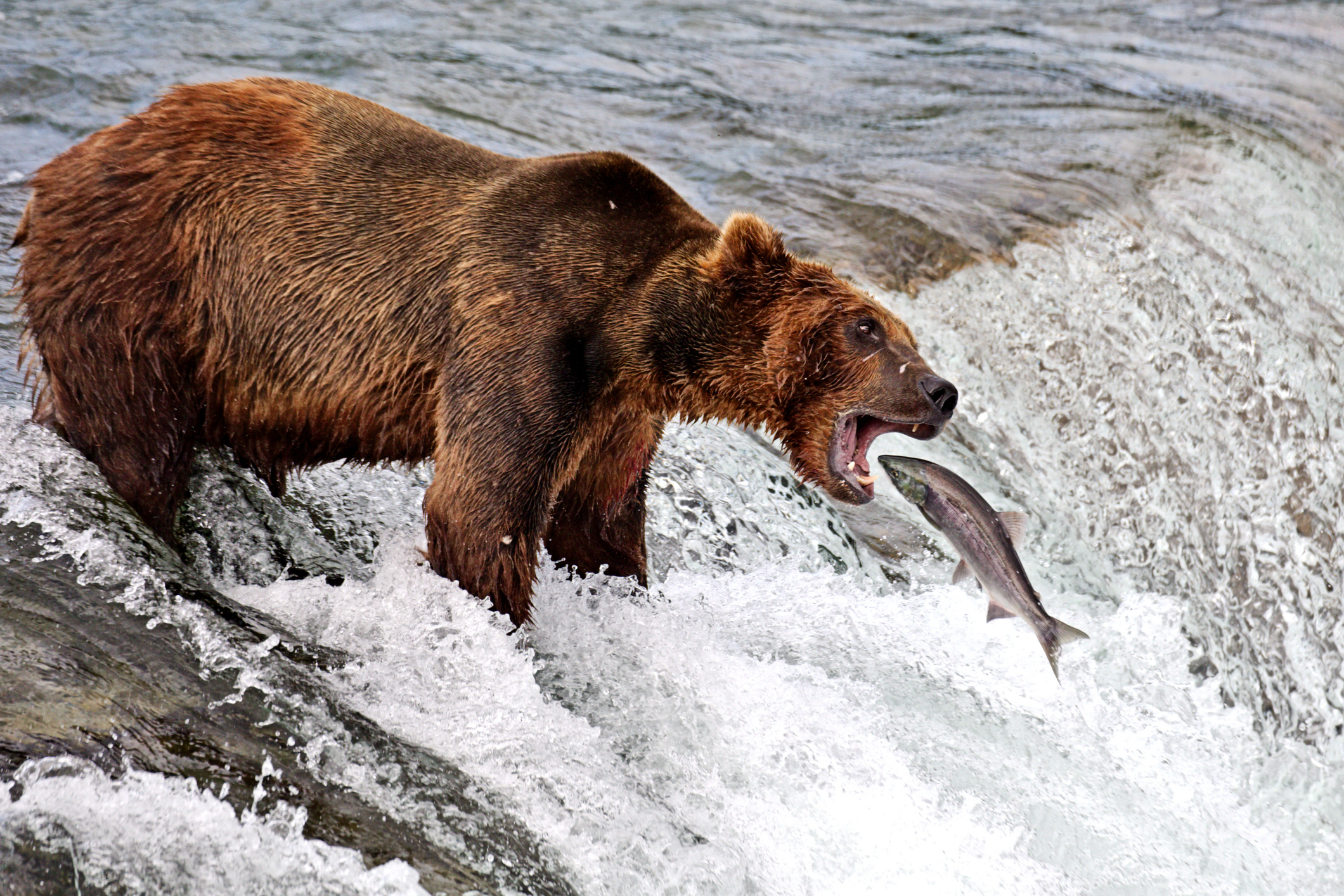
Brown bears are often associated with power and motion — charging through water, fishing for salmon, or roaming vast terrain. While these moments are visually striking, stillness can be just as compelling.
A bear paused mid-step, listening. A seated posture suggesting rest rather than readiness. These quieter moments reveal personality and awareness, offering viewers a chance to connect on a more subtle level.
In photography art, movement and stillness work best when balanced. A portfolio that includes both allows the story of the bear to unfold naturally, reflecting the full range of its behaviour rather than a single dramatic impression.
Ethics and Distance
Ethical considerations are central to wildlife photography, particularly with animals as powerful and sensitive as brown bears. Respecting distance not only ensures safety but also preserves natural behaviour.
Allowing moments to develop organically often results in photographs that feel unforced.
Images captured without interference often feel more authentic. When a bear is unaware of the photographer’s presence, its posture and movement remain unaltered. This authenticity is what elevates an image from documentation to art.
Patience is key. Allowing moments to develop organically often results in photographs that feel unforced and emotionally honest. In the end, the strongest images are those that reflect coexistence rather than intrusion.
From Photograph to Art
What transforms a photograph into art is intention. Brown bear photography art is not about capturing every detail but about choosing which details matter most.
Editing choices should support the story rather than dominate it. Natural colour grading, balanced contrast, and subtle sharpening preserve realism while enhancing mood. Over-processing can strip an image of its quiet power, turning something grounded into something artificial.
When presented thoughtfully — whether as a print, exhibition piece, or part of a curated collection — these images invite more extended engagement. They ask the viewer not just to look, but to feel.
Why Brown Bears Continue to Inspire
Brown bears represent wilderness in its most valid form. They remind us of landscapes untouched, of rhythms dictated by nature rather than time. In photography, they become symbols of resilience, solitude, and balance.
Art that centres on brown bears often carries a deeper message — one of conservation, respect, and awareness. Without being overt, these images encourage viewers to consider their relationship with the natural world.
By focusing on texture, light, composition, and presence, brown bear photography art offers more than visual impact. It creates space for reflection, grounding the viewer in something older, quieter, and enduring.
Final Thoughts
Brown bear photography art thrives when approached with patience, respect, and intention. It is not about chasing spectacle, but about recognising moments — the subtle shift of weight, the texture of fur in soft light, the silence of a shared landscape.
In capturing these elements, photographers do more than record wildlife. They create images that hold depth, atmosphere, and meaning — images that stay with us long after we’ve looked away.
And perhaps that is the true power of brown bear photography: not just showing us what the wild looks like, but reminding us what it feels like.