
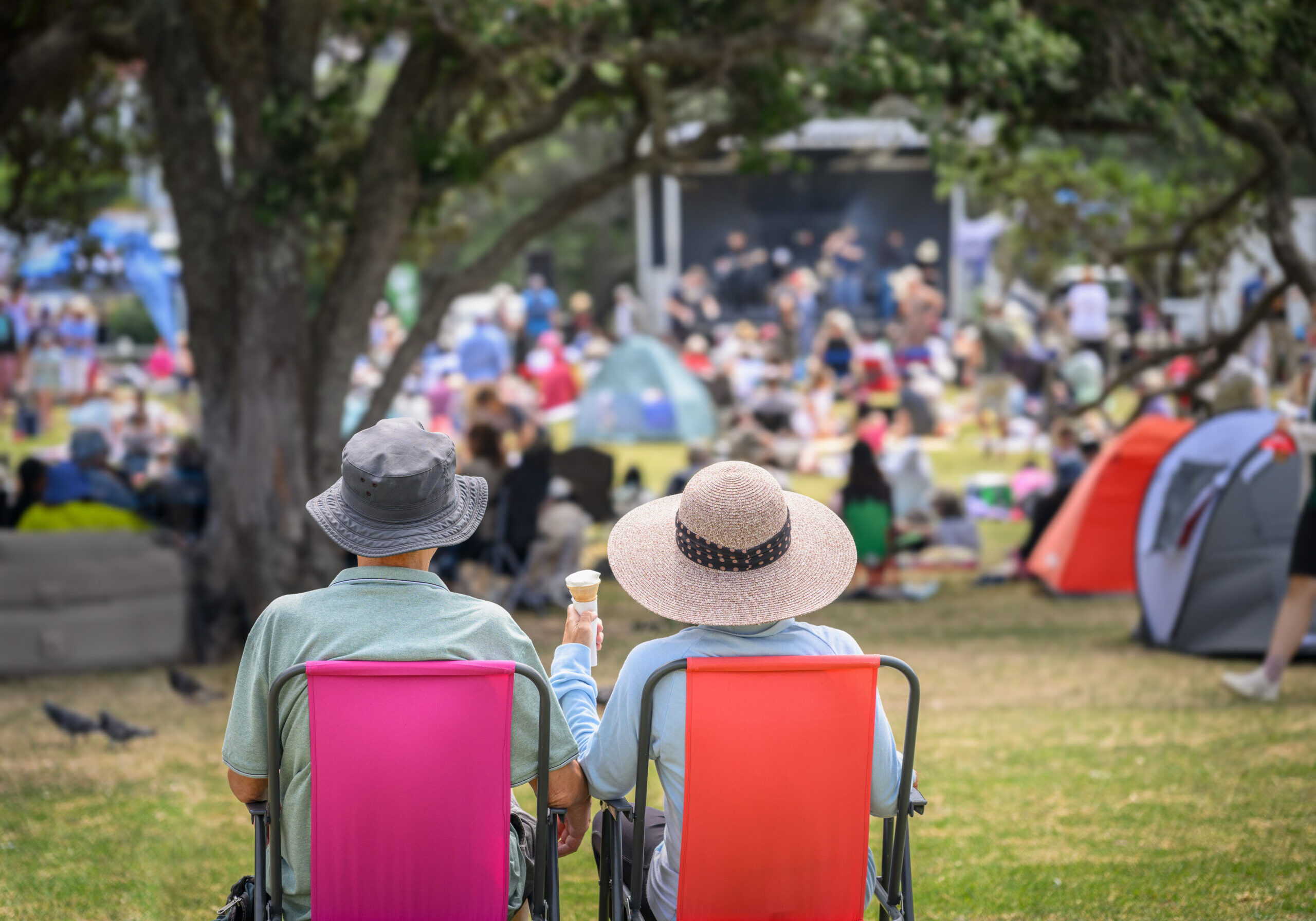

Best Tips for Hosting Events that Celebrate Community
by Northern Life
Something happens when you get neighbours together in one place. People who’ve lived three doors down for five years finally introduce themselves. Kids make friends, and they’ll ride bikes all summer. That quiet couple from the corner house turns out to have the most amazing stories about the old days.
Planning one of these gatherings is another story,y though. There’s the venue booking, the insurance forms, the budget that keeps growing, and about fifty other details you didn’t think of until 2 am the week before. But stick with some basics,s and you’ll be fine. Maybe even enjoy the process.
Getting Your Plans Straight
First things first. What’s this event actually for? Raising money for the playground that’s seen better days? Celebrating your street’s centenary? Just getting people out of their houses? Pin that down because it’ll guide every choice you make later.
Money talk comes next. Yeah, it’s boring, but skipping this part is how you end up paying for a bouncy castle out of your own pocket. List what things cost. Venue hire, insurance, equipment rentals, and food. Then slap another fifteen per cent on top because something always pops up. Always.
Safety stuff needs sorting early on. People who get certificated in first aid bring more than just a certificate to your event. They’re the ones staying calm when little Sophie falls off the slide or when someone’s gran feels wobbly in the afternoon heat. Everyone relaxes a bit knowing someone qualified is around.
Build yourself a timeline working backwards from the big day. Permits are due by this date. The caterer needs to be confirmed by that date. Share it with your team because people can’t hit deadlines nobody told them about. Learned that one the hard way.
Making Sure Everyone Fits In
Good events work for everyone, not just the young and able-bodied.
Try walking through your venue like you’re in a wheelchair. Can you even get in? Is there a ramp or just three impossible steps? Where would you rest if standing around for hours wasn’t happening? These aren’t small details. They’re the difference between half your community showing up or staying home.
Some practical stuff to consider:
- Parking near the entrance for people who can’t walk far
- Restrooms that wheelchairs can actually get into
- A quiet corner for anyone overwhelmed by the noise
- Pathways are wide enough for walking frames and scooters
- Signs people can actually read from a distance
Your community might include families who speak different languages. A few bilingual signs help. Even better, grab a couple of volunteers who can translate. Makes people feel welcome instead of lost.
Sensory stuff matters more than you’d think. Music that sounds fine to you might be painful for someone else. Flashing lights look festive but trigger problems for some folks. Set up a quiet zone. People will find it when they need it.
Keeping Everyone Safe
Walk your venue before event day, pretending you’re looking for problems. Because you are. That uneven paving? Someone’s ankles are meeting it later. Those streamers hanging low? Tall people will collect them on their heads.
The Health and Safety Executive provides guidance on what events require proper coverage. Following their advice keeps you legally safe when things go wrong. And they do sometimes.
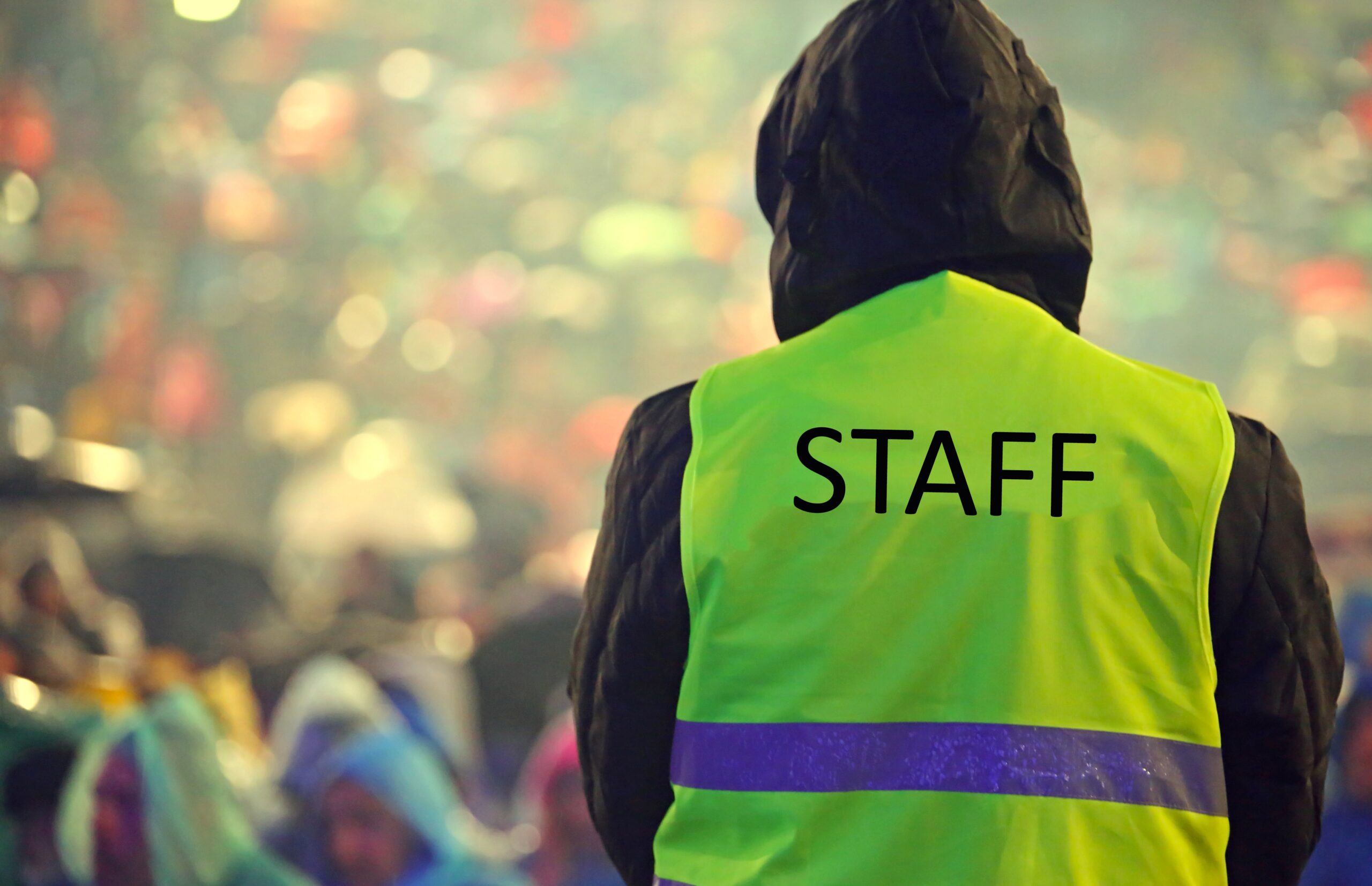
Mark your first aid stations obviously. Big signs. Multiple spots if your event’s spread out. Trained people should wear bright vests so they are easy to spot in a crowd. Stock the usual stuff like bandages, antiseptics, gloves, ice packs, and basic pain meds. Keep emergency numbers where several people can grab them fast.
British weather has its own plans for your outdoor event. Count on it. Have backup options ready for rain or surprise heatwaves. Figure out how you’ll tell people about changes beforehand. Facebook works for some crowds. Phone trees work better for others who aren’t online much.
Emergency exits need to be marked and kept clear. Don’t let anyone park equipment there “just for a minute” because that minute becomes three hours. Brief everyone on evacuation plans before starting. Pick where you’ll all meet outside. Make sure phones have the right numbers saved.
Creating Moments People Remember
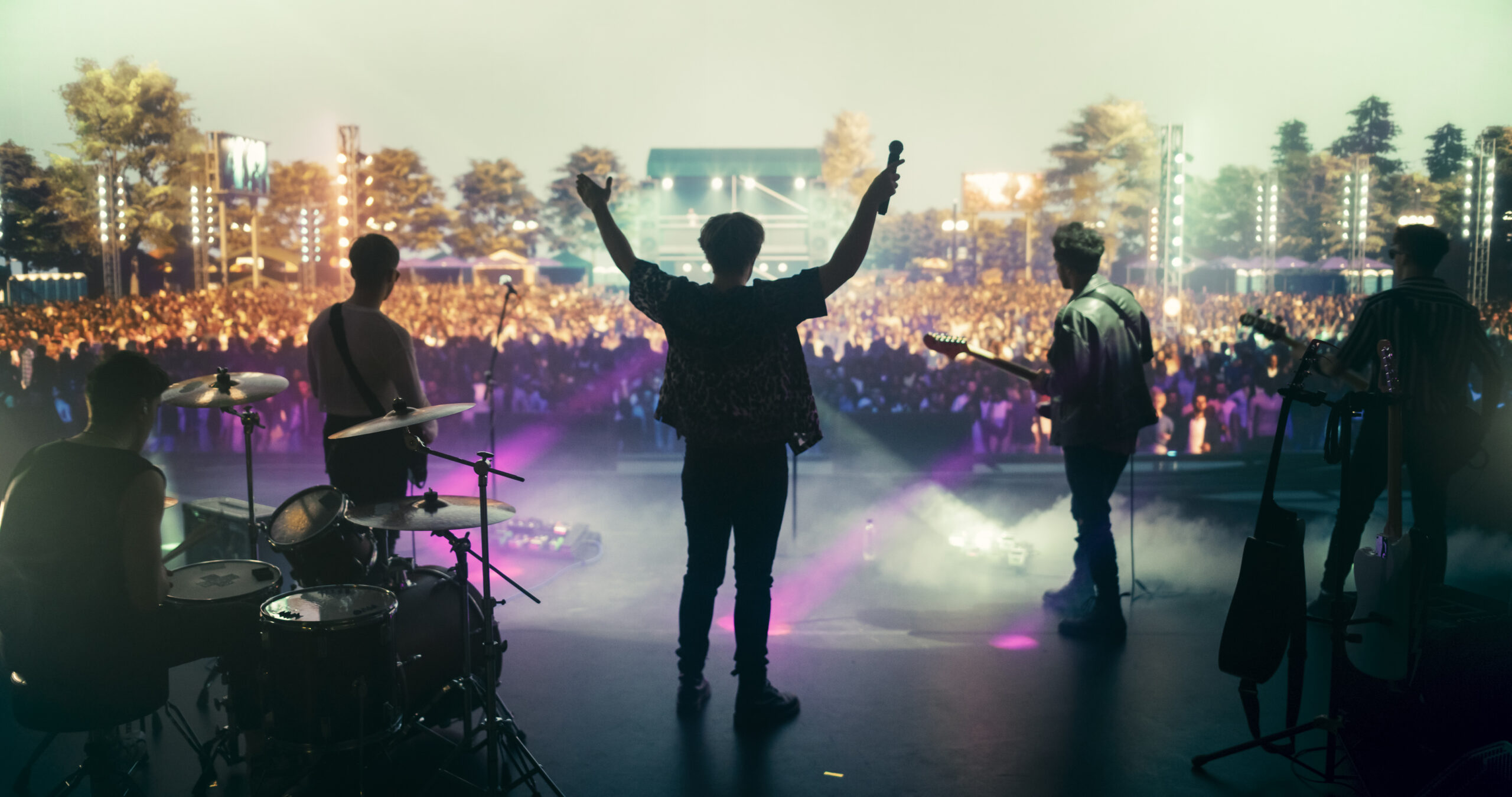
Generic entertainment doesn’t stick in anyone’s memory past Tuesday.
Talk to people about what they’d enjoy. Local musicians usually love playing for neighbours. Craftspeople get excited about showing their skills. Feature community members instead of hiring outside acts, and you create something real that matters more than any professional gig.
Food gets conversations started faster than anything else. Local vendors bring variety and appreciate the business. Potlucks work brilliantly because everyone has skin in the game. Just watch for dietary needs. Vegetarian options, vegan stuff, gluten-free choices, nut allergies. The CDC recommends labeling food clearly so people know what they’re eating without playing twenty questions.
Interactive beats passive every time. Workshops where hands make things. Games that get kids running. Art projects that the whole community builds together. These create shared memories that stick around.
Get someone on photo duty throughout the day. Ask permission first, though. Those pictures tell your story better than any typed-up report later.
What Comes After
The real test of your event shows up in the following weeks.
Share photos where your community hangs out online. Thank volunteers by name. Give shoutouts to local businesses that helped. This goodwill makes next year’s planning about ten times easier.
Grab feedback from your team while memories are fresh. What worked great? What crashed spectacularly? Write it down with real numbers and budget truth. Whoever organizes next time will bless your name.
Two neighbours meet at your street party. Turns out they both love gardening. They start working on a shared plot. Families discover common interests and begin regular meetups. Small gatherings build stronger communities where people know each other’s names and actually care about the house next door.