

An American in the North: Learning the Cost of a Dream Trip
by Northern Life
He tells them about the rain, different accents, and his walks through places that have been there for hundreds of years.
When Mark Sullivan finally arrived in York, the history he had taught for years suddenly felt real. At 34, the Ohio high school history teacher had spent years talking about Roman Britain and the literature of the Brontës. Back then, he had only known it from books and lessons. When he finally got a two‑week vacation, he chose Northern England for a reason. London was hardly an option as it’s too obvious and too expensive. He wanted something closer to the stories he taught — older cities, coastal towns, green hills, trains, and pubs that looked much the same as they must have years ago.
He planned everything carefully, both the itinerary and the budget. The latter was $1,800 (£1,300), which seemed very reasonable on paper. Flights were covered with air miles, that’s why the money was for everything else: trains, accommodation, food, entry tickets, and a little buffer. He drafted a route that would take him from York to the Lake District, then to Manchester, and finally along the Northumberland coast, before returning home.
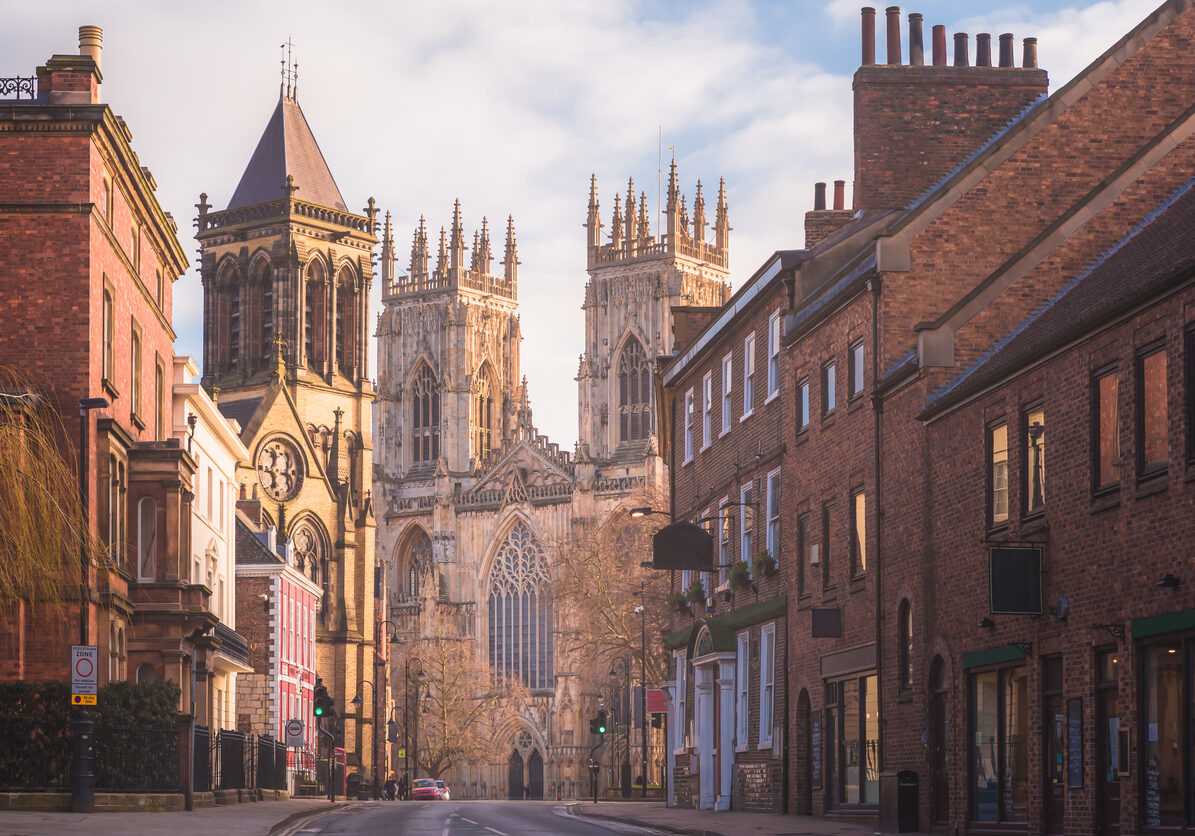
York was his first stop, and it was exactly in line with expectations. The city walls, the narrow streets, the Minster rising above everything. It made the past feel close. He stayed in a small guesthouse just outside the city centre. It was clean, quiet, and included breakfast, but at £110 ($150) per night, he realised how expensive that trip would be. “I remember doing the conversion in my head and thinking, okay, I just need to be careful everywhere else from now on,” he said.

The Shambles in York
Careful turned out to be harder than expected. Rail travel was efficient and comfortable, but not cheap — a BritRail 15-day pass cost £385 ($525). Meals were another surprise, as even trying to keep things simple, he was spending £25 ($35) to £40 ($55) most days. There were also museum tickets, occasional taxis after long days, and minor things like quick bites or bottled water, and the budget kept creeping up.
Still, York was worth every penny spent. Mark climbed Clifford’s Tower in the rain, joined a ghost walk one night just to hear stories told in a Yorkshire accent, and spent an entire afternoon inside the National Railway Museum. “I could have stayed another week,” he said. “But I also knew my money wouldn’t last that long.”
That night alone cost a lot, but it also became one of his favourite memories from the trip.
The Lake District was next, and it was the most exciting part of the trip. The landscapes were bigger and quieter, like nothing else he had seen at home. He stopped near Windermere and spent his days walking, taking buses between villages, and pausing by the lake when the weather allowed it. At this point, he decided to hire a car for mobility, which was not in the initial plan. The rental for several days cost about £400 once insurance and fuel were included. “Driving through those roads felt absolutely amazing,” he said.
Accommodation near Windermere was from £90 ($125) to £140 ($200) per night, depending on availability and room specs. Since some were fully booked, Mark had to take whatever was left. When it was time to leave the Lake District, he soon realised he had already spent far more than he was going to by that time.
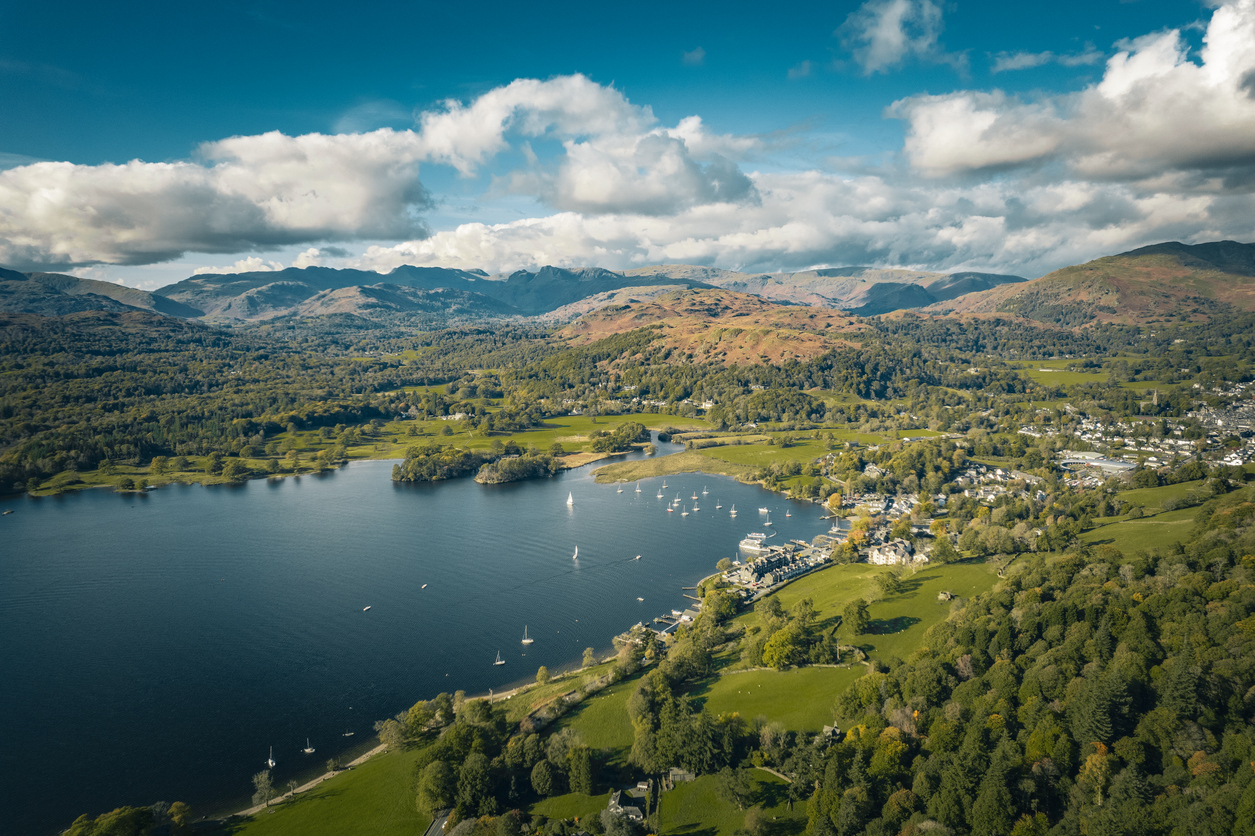
Lake Windermere
Manchester was next. It felt like a different world — louder, faster, and more modern, but he still enjoyed the contrast. He toured Old Trafford even though he wasn’t a fan, visited the Science and Industry Museum, and spent an evening talking with locals at a pub who ensured he tried different regional ales. That night alone cost a lot, but it also became one of his favourite memories from the trip.
Halfway through the trip, he understood that the remaining cash wouldn’t comfortably cover the final week. Northumberland, with its castles, the coastal walks, the places he had especially wanted to see, was still ahead, and he didn’t want to cut it short.
But there were also small moments that made the trip feel personal rather than just a checklist.
He started by going through what he couldn’t trim: the accommodation, meals, and transport back to the airport. Suddenly, extras like tours and souvenirs felt unnecessary. Not willing to cancel the final leg of the trip, he contacted 300 Cash Loans to see if they could assist with the gap. “They actually had me list the key costs first and cut discretionary spending,” Mark says. “The whole point wasn’t about spending more on foolish things, but to be able to pay for some essential costs to continue the trip.”
No trip goes without obstacles, and that one was no exception. The major one was British weather, of course. It was exactly as tourists imagine — unpredictable, switching from sun to rain within hours. Driving on unfamiliar roads was stressful enough, let alone adjusting to the left-side steering. There were moments of homesickness too, usually late at night when everything was quiet, and he realised how far he was from home.
But there were also small moments that made the trip feel personal rather than just a checklist. A café owner in York who asked about his accent and ended up giving him directions to a less crowded viewpoint. A couple in the Lake District warned him about a muddy path ahead. A train conductor who recommended getting off one stop early just to see a particular stretch of coastline.
When two weeks passed, his total had exceeded $2,500 (£1,830)— far beyond the initially arranged budget. He wasn’t proud of that part, but he didn’t regret any of it either. “I learned more about budgeting from that vacation than from years of reading travel guides,” he said. “You can plan as much as you want, but real places never follow your spreadsheet.”
For future travellers considering Northern England, his advice is simple: build a 3 times bigger buffer than you think you may need.
Prices for places to stay can spike depending on the season, transport costs vary from region to region, and everyday purchases, even minor ones, quietly increase the total amount spent.
Being back in class, Mark shows his photos and tells stories when teaching history. Children now love asking questions about castles, British people, and what it’s like to go to pubs. He tells them about the rain, different accents, and his walks through places that have been there for hundreds of years.
With a better understanding of how to manage the journey properly, he is already thinking of his next visit. “It wasn’t a perfect trip,” he said. “But it felt real. And that’s exactly what I wanted all along.”