


ADHD Meets Deadlines: How PaperWriter Helped Me Stay on Track
by Northern Life
PaperWriter was dependable, flexible, and transparent; the qualities that are hard to find when you’re navigating academic chaos.
College thrives on routines and expectations built for the mythical “ideal student,” someone with flawless time management, unwavering focus, and polished writing skills. That was never me. I’m the student who started essays with full enthusiasm, only to lose track midway and end up staring at the blinking cursor for hours. My ADHD made deadlines feel like shifting targets, and no amount of productivity hacks solved the fundamental problem: the system wasn’t designed for people like me.
That’s why discovering PaperWriter changed everything. What began as a last-minute survival tactic became the structure that helped me meet academic expectations without burning out. This is my honest PaperWriter review, built on late nights, looming deadlines, and the relief of finally submitting work on time.

When Good Intentions Collide with Executive Dysfunction
Before I started using the writing service Paper Writer, my semester was a cycle of chaotic planning. I’d sit down with clear goals: break the essay into sections, write a little each day, and revise early. In reality, hyperfocus would kick in on the wrong tasks, or distraction would scatter my attention before I finished the introduction. The result was piles of half-written drafts and a constant sense of falling behind.
My professors expected clean, well-argued essays that flowed logically. Meanwhile, my brain operated like a browser with thirty tabs open and the music autoplaying on three of them. The gap between expectation and reality wasn’t laziness. It was structure versus scattered cognition.
The Night Everything Snapped into Place
The turning point came during midterms. I had three essays due in one week, and I had only written fragments for each. I remember staring at the clock at 1:43 a.m., realising that no outline or focus playlist would save me this time. I searched online for a paper writing service, fully expecting low-effort, generic work. That’s when I stumbled onto paperwriter.com.
At first, I was sceptical. My academic integrity mattered, and I didn’t want cookie-cutter content. But what I found wasn’t a shady shortcut at all. The platform is designed to support the writing process itself. I asked myself: Is paperwriter.com legit? After reading multiple paperwriter.com reviews and browsing their service breakdown, I realised the answer leaned toward yes. What convinced me wasn’t marketing promises, but the level of transparency and flexibility.
Features That Actually Work for ADHD Students
One of the most complex aspects of ADHD is breaking down large tasks into manageable, actionable steps. PaperWriter did that for me. I could submit detailed instructions, upload sources, and receive structured drafts piece by piece. Instead of wrestling with every paragraph alone, I could build my essay collaboratively and focus my limited attention on reviewing rather than generating from scratch.
Here are the specific features that made a difference:
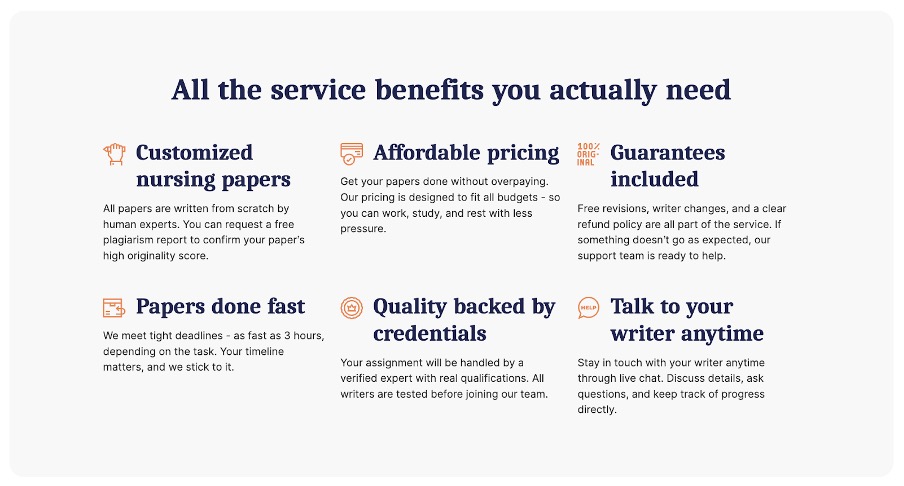
- A clear and intuitive dashboard that kept projects organised.
- Direct messaging with writers to clarify ideas quickly.
- Instant draft delivery.
- Built-in plagiarism checker and citation tools.
- Easily accessible revisions without hidden fees.
And when I needed a little financial relief, I found a paperwriter.com promo code, which made the service more affordable during exam season.
Reliability became the key factor. Every essay came on time. Every revision request was handled without excuses. Finally, a predictable workflow that didn’t rely on my often unpredictable attention span!
Building Trust Through Results
Trust doesn’t come easy when you’ve spent years worrying about missed deadlines. Before committing fully, I spent time reading PaperWriter reviews to see how other students described their experiences, especially around reliability and revisions. First with a short response paper, then with a more complex research essay. Both came back with clear structure, solid argumentation, and proper citation. I compared them against university guidelines, checked plagiarism reports, and read them critically.
These were the checks I consistently ran to make sure the platform was reliable:
- Running each draft through plagiarism software.
- Checking citations against required academic formats.
- Reviewing content quality paragraph by paragraph.
- Matching arguments to the source material I’d uploaded.
Each time, the service is delivered. Before, I was trying to find the answer to the question of whether PaperWriter is trustworthy; now, I have started to believe the answer is a confident yes. Over the semester, I returned to PaperWriter multiple times, and each experience reinforced that trust. Writers didn’t just hand me prewritten essays. They engaged with my topics, utilised the sources I provided, and adhered to the specific formatting instructions.
PaperWriter as a Long-Term Strategy
For students with ADHD, consistency is often more valuable than intensity. A single night of focus doesn’t offset weeks of disorganisation. What PaperWriter gave me was a stable academic backbone. It let me allocate my attention strategically: I could focus on classes where I thrived naturally and delegate structured writing tasks to professionals who understood academic standards.
Here’s how I integrated the service into my semester rhythm:
- Using it for major essays with fixed deadlines.
- Setting soft deadlines for drafts to stay ahead.
- Allocating my own energy toward revisions and oral presentations.
- Scheduling orders around high-stress periods like midterms and finals.
I also appreciated the level of control I had. I could review drafts, request changes, and shape the final product. Over time, this collaborative rhythm improved my own understanding of essay structure. I started recognising how strong arguments were built, how transitions were handled, and how citations were integrated seamlessly. It wasn’t outsourcing my education; it was scaffolding my weaknesses.
The Broader Picture: Education That Assumes Uniformity

Universities often operate on the assumption that all students can function like the idealised model: sit down, write for three hours straight, edit later. But that ignores neurodiversity. For students like me, focusing for extended periods without an external structure is like trying to run a marathon in flip-flops.
With it, I submitted everything on time and saw my grades stabilise.
Tools like PaperWriter don’t erase those challenges, but they create alternative pathways. They acknowledge that productivity doesn’t look the same for everyone. In many ways, my experience could have been easier if universities recognised and accommodated these differences more systematically. Until then, services like this fill a crucial gap.
A Realistic View, Not a Shortcut
It’s easy to assume that using a service like PaperWriter is simply about convenience. For me, it was survival. It was about meeting expectations without sacrificing mental health. But it wasn’t a magic fix. I still had to plan, communicate, and review thoroughly. However, it removed enough friction that my energy could be directed toward actual learning rather than constant crisis management.
And no, this isn’t an exaggeration. Without PaperWriter, at least two of my major assignments that semester would have been late or incomplete. With it, I submitted everything on time and saw my grades stabilise.
Final Thoughts
Every student with ADHD has a unique experience. Some find success with timers and colour-coded planners. Others, like me, need external structure to stay afloat. For me, that structure came through PaperWriter. It was dependable, flexible, and transparent; the qualities that are hard to find when you’re navigating academic chaos.
If you’re still on the fence, this paper writer review should make things clear. My advice is not about taking shortcuts. It’s about finding realistic ways to meet high expectations in a system that often doesn’t accommodate different cognitive realities.