
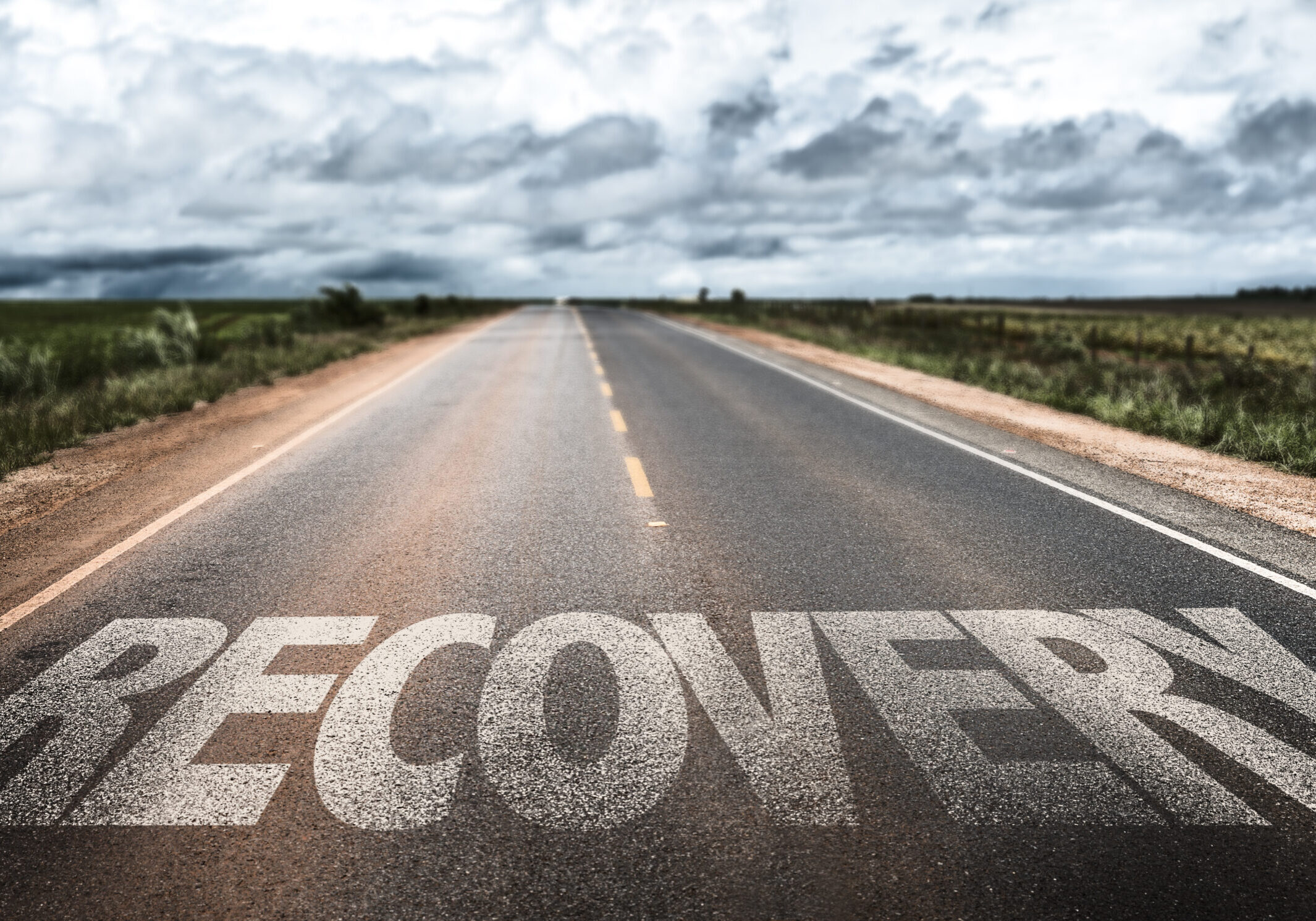

A Guide to Addiction Recovery in Northern England
by Northern Life
Addiction is a long-term, complicated, chronic brain disease that can severely impair the mind and body, and even lead to death. Unfortunately, many people misunderstand addiction, assuming that addicted people are ‘lazy’ or ‘undisciplined’. However, the effects, whether physical or psychological, are real.
While each case is different, subjects can experience psychological effects such as confusion, delirium, anxiety, hallucinations, and more. Physical symptoms of substance addiction often manifest in the form of nausea, headaches, muscle cramps, or even seizures that prove fatal.
Due to the risks associated with substance addiction and attempted independent recovery, it’s imperative that subjects seek professional help. A structured drug and alcohol addiction treatment plan is essential to ensure that patients not only overcome their compulsive drinking or drug habits, but also recover in optimal health. Read on for our guide to addiction recovery in northern England.

Understanding Addiction in Northern England
The United Kingdom is no stranger to drug and alcohol addiction. Thousands of people are diagnosed each year, and it’s possible that even more remain undiagnosed. It’s estimated that 310,863 adults in the UK reached out to a drug and alcohol rehab provider from 2023 to 2024. Of this figure, less than half proceeded to undergo treatment.
Alcoholism and illicit drug use are particularly prominent in Northern England. Of the regions in England, the UK government reports that the north west and north east of England suffer from the highest rates of alcohol dependence. Northern England also has the highest alcohol mortality rates in England.
This can be due to a number of factors, such as:
- Increased levels of poverty
- Less access to treatment
- Lower levels of social and health care quality and resources
NHS and Free Addiction Services in Northern England

If you’re suffering from a substance dependence, whether it be drug addiction or alcohol addiction, it’s essential to understand the routes that you can take.
Free treatment comes in many forms, whether it’s direct addiction treatment, support groups, and so on:
- NHS Services
- Charities and Non-Profit Organisations
- Self-Help & Support Groups
NHS Addiction Services
Many people seek NHS treatment because it can provide valuable clinical assistance. However, the NHS is also burdened with a high demand but a lack of support or resources. As a result, patients can end up facing a long waiting list.
Here’s how you can access addiction treatment through the NHS:
- Contact your GP: Schedule an immediate appointment with your local general practice to get the best advice on your condition. You can use the Find a GP or NHS Service Finder function on the NHS website to find your nearest general practice.
- Undergo a health assessment: The medical professional will carry out a health assessment to understand the severity of your condition. Each case of addiction is different, and the health assessment will help them know the best course of action to take to ensure optimal recovery.
- Undergo outpatient or inpatient treatment: Depending on the results of your health assessment, you’ll undergo treatment as an outpatient with the NHS. Or, if your condition is severe enough, you’ll be encouraged to undergo treatment as an inpatient at a specialised addiction rehabilitation facility. Outpatient treatment is free, whereas inpatient treatment at a private rehab requires payment.
- Follow your treatment plan: If you’re undergoing treatment as an outpatient with the NHS, you’ll be required to undergo around 3-9 hours of treatment per week, or more depending on your condition. Your treatment plan will include treatment methods such as detox, cognitive behavioural therapy, counselling, and more.
Charities and Support Networks in Northern England & Online
Northern England, whether in Cheshire, Yorkshire, Durham, or elsewhere, is home to a wide range of charities and non-profits that provide addiction and mental health support, as well as private rehabs, such as alcohol rehab in Manchester. While these organisations are beneficial towards manifesting a healthy lifestyle and sobriety, they mustn’t supplement clinical treatment.
Private Rehab and Residential Treatment Options

A private addiction treatment can offer many benefits to patients recovering from drug and alcohol addiction. Although it can be inexpensive, the quality of care surpasses NHS treatment due to the high level of investment.
At a private and residential drug and alcohol rehab, patients will benefit from staying at a medically supported facility, 24/7 care and supervision, access to comfortable facilities, and more.
While private drug and alcohol rehab facilities are scattered across northern England, you can contact representatives from rehab referral services and providers to find a facility near you.
At a private drug and alcohol rehab, patients can expect to undergo a similar recovery process:
- Admission & orientation: Patients will be introduced to members of the facility and the house rules. Patients will see that they can undergo treatment in a safe and comfortable environment that minimises relapse triggers and optimises recovery methods.
- Medical detox: If the patient is suffering from significant withdrawal symptoms, they’ll undergo a medical or medicated detox. They’ll take prescription medicine prescribed by an addiction physician, and this will help minimise discomforting symptoms before proceeding with treatment.
- Therapy & counselling: From communication therapy, group counselling, and holistic therapy, patients will undergo a range of therapeutic methods to optimise recovery. When combining communication therapy (such as Cognitive Behavioural Therapy) with group therapy and holistic activities, patients can expect greater results in addressing self-destructive behaviour traits.
- Aftercare programme: Patients will undergo treatment in a semi-autonomous manner following treatment, as they’ll continue their recovery but also follow the structure of an aftercare programme. Patients will have access to fellowship programmes that facilitate 12-Step Therapy methods, among other resources.
Tackle Recovery, One Day at a Time
Addiction is a challenging uphill battle that affects us physically, mentally, and spiritually. However, recovery is always a possibility with the proper guidance and support network. Whether you turn to NHS treatment, community-based organisations, or private residential rehab in northern England, each pathway offers vital tools to help you regain control of your life.
With a wide range of treatment options and support networks available, no one has to face addiction alone. By reaching out for help and committing to the process, you can take meaningful steps towards long-term sobriety.