
A Brief History of Perfume in Northern England
by Northern Life
While perfume may conjure images of Parisian boutiques or exotic spice markets, Northern England has a quiet yet compelling history with scent, intertwining personal grooming, industry, and cultural evolution. From its practical origins to the revival of artisan perfumery, the North has played a subtle but significant role in Britain’s fragrance journey.
Early Uses: Scent as Sanitation
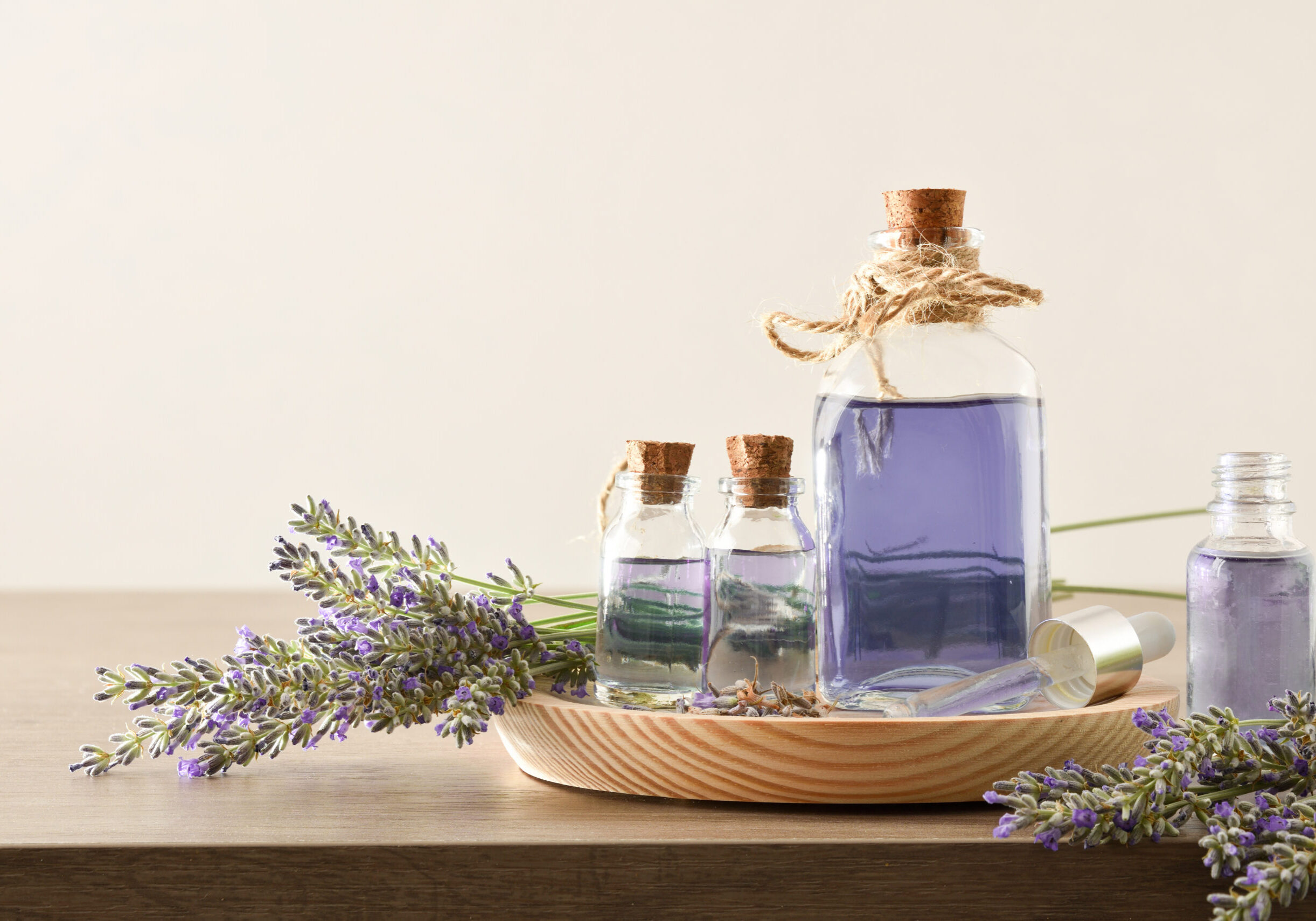
In the 18th and early 19th centuries, the industrial boom brought with it crowded cities and poor sanitation. Perfume in towns like Manchester, Newcastle, and Leeds was not a luxury but a necessity for masking unpleasant urban smells. Apothecaries crafted colognes, scented waters, and herbal infusions – often featuring lavender, rose, and citrus – as hygiene aids rather than fashion statements.
While fragrance use was more common among the upper classes, the growing middle class began to adopt scented products for daily grooming, often purchased from local chemists and market stalls.
Victorian Innovation & the Rise of Local Perfumers
The Victorian era ushered in an era of experimentation. Northern chemists started blending fragrances and essential oils to create perfumes, scented soaps, and creams. These early perfumers often drew inspiration from local surroundings – moors, heather fields, and coastal air – embedding a regional character into their scents.
Department stores and independent retailers in cities like Harrogate and York began stocking both imported and locally made perfumes, which soon became staples in the dressing routines of Victorian women and men alike.
Women’s and Men’s Perfume: Fragrance with Identity
By the early 20th century, gender distinctions in fragrance became more pronounced.
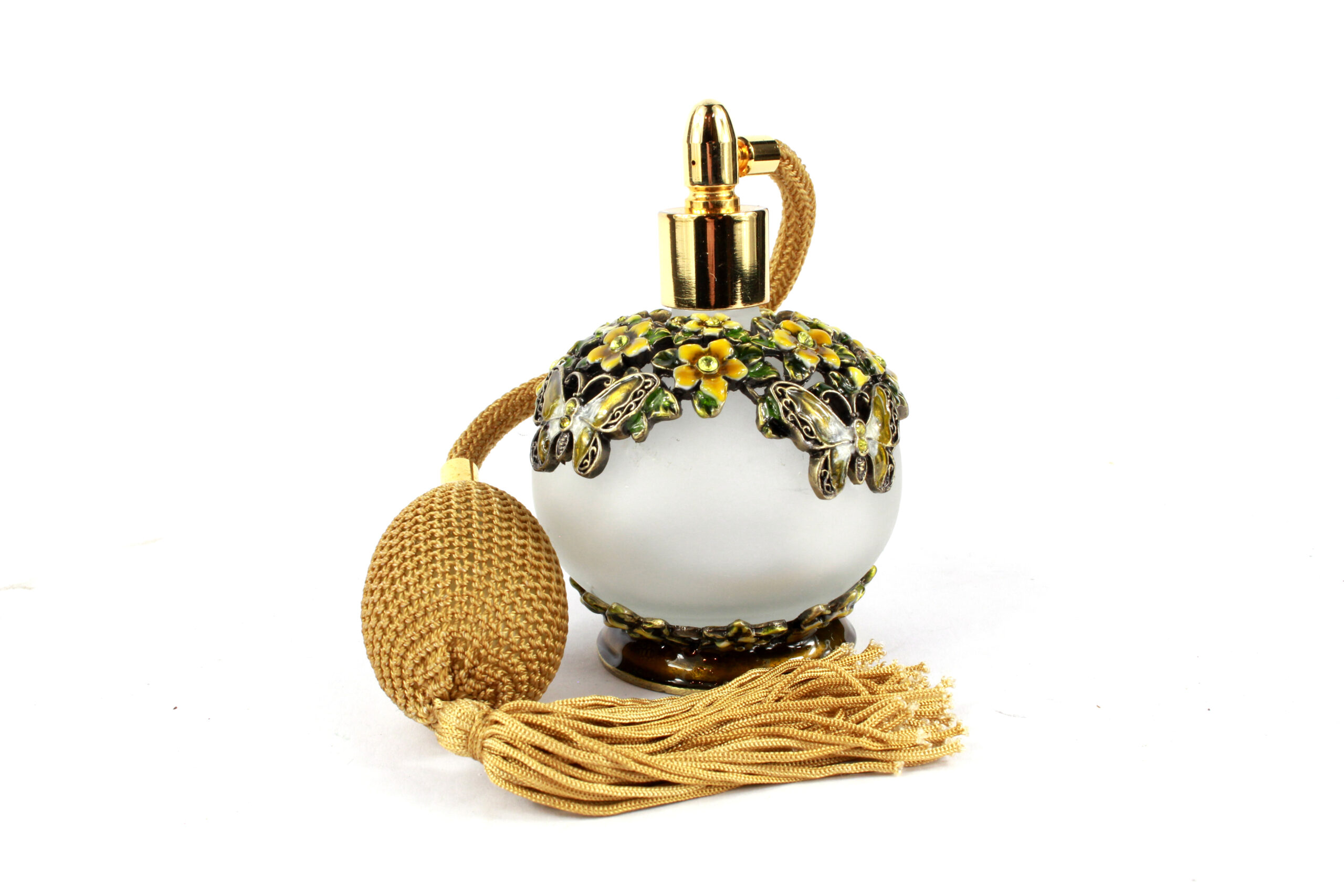
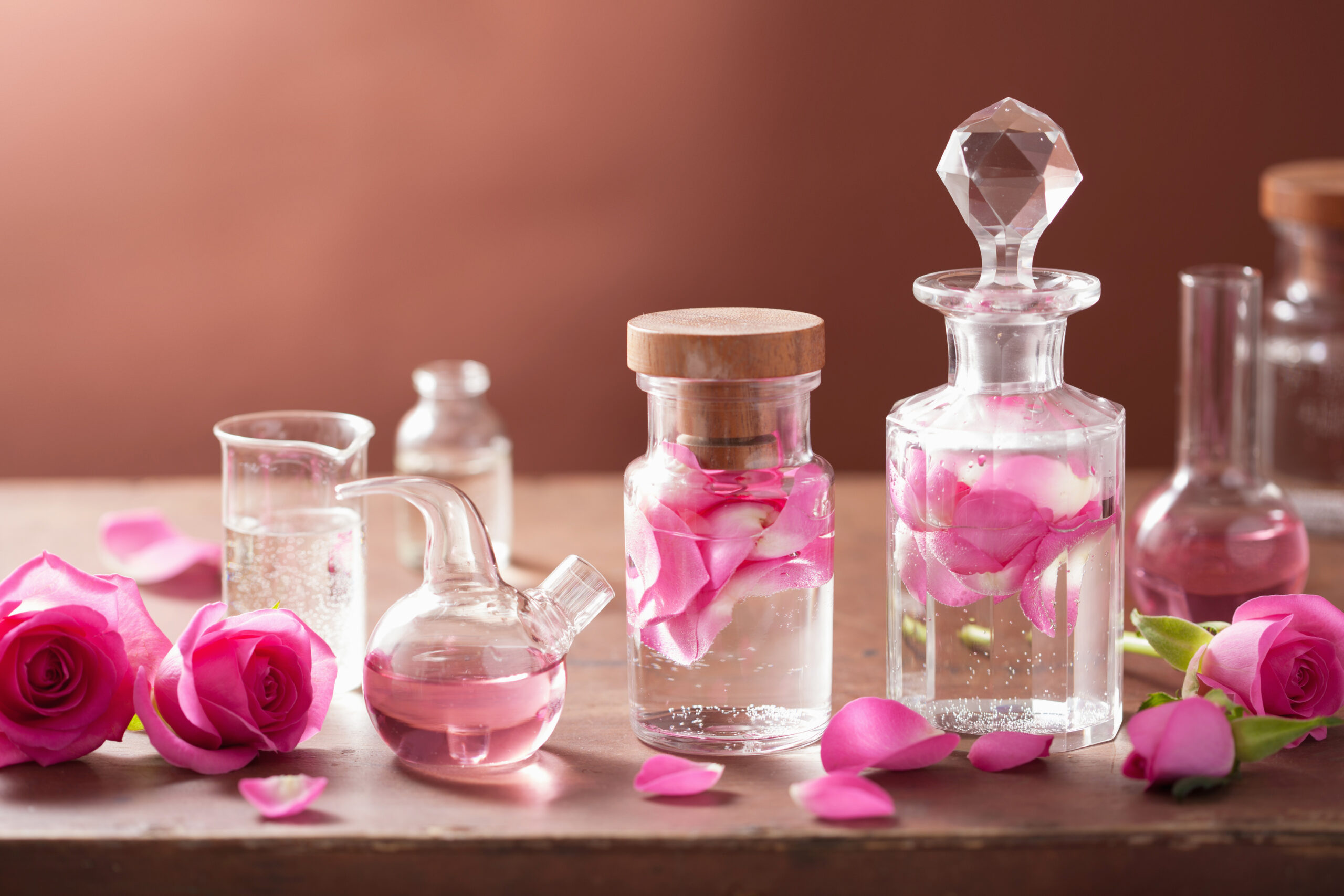
Women’s perfumes tended toward floral, powdery, and sweet compositions – rose, violet, and jasmine were popular among Northern women. These fragrances were marketed as symbols of femininity, elegance, and social refinement.
By contrast, men’s colognes embraced woods, leather, tobacco, and citrus—designed to convey strength, professionalism, and sophistication. Traditional barber shops across the North often carried these scents, offering grooming rituals that became part of local masculine identity.
These gendered trends were not just a marketing tool; they reflected deeper cultural ideas of gender roles in Northern society and mirrored broader shifts in class and lifestyle.
Post-War to Present: Decline, Revival, and Artisan Renaissance
Post-WWII saw the rise of national and global brands, gradually overshadowing regional perfumers. Many closed or were absorbed by larger companies. Still, flagship stores in Leeds, Liverpool, and Newcastle remained important outlets for luxury fragrance purchases.
In recent decades, Northern England has seen a revival of artisanal perfume making. Boutique perfumeries and independent creators are reclaiming local scent traditions, often focusing on sustainable practices, small batches, and regionally inspired ingredients. Rooted in the distinct northern culture, this movement reflects both pride in heritage and a commitment to innovation. From the Yorkshire Dales to the streets of Manchester, a new wave of perfumers is blending tradition with modern sensibility.
Fragrance Today: A Northern Identity
Today, Northern England’s relationship with perfume is one of quiet sophistication and renewed creativity. Whether it’s a rich, woody cologne found in a Sheffield barber shop or a delicate floral blend crafted by a boutique in Harrogate, the scents of the North continue to tell stories of history, place, and personal identity.
There’s a growing shift away from mass-produced trends in both women’s and men’s fragrances towards authentic, place-inspired scents. The North may not shout about its perfume heritage, but it certainly leaves a lasting impression.