


What Factors Have the Biggest Impact on Your Home’s Value?
by Northern Life
This guide explores the key factors that influence house prices in the UK
When homeowners think about property value, size and location often come to mind first. While these factors matter, they are only part of the picture. In reality, a home’s value is shaped by a combination of location, condition, market demand, and wider economic and local influences.
Understanding what truly impacts your home’s value is essential, whether you’re planning to sell, remortgage, renovate, or simply keep an eye on your investment. This guide explores the key factors that influence house prices in the UK and explains why some properties command higher prices than others, even within the same area.
Location and Neighbourhood Demand
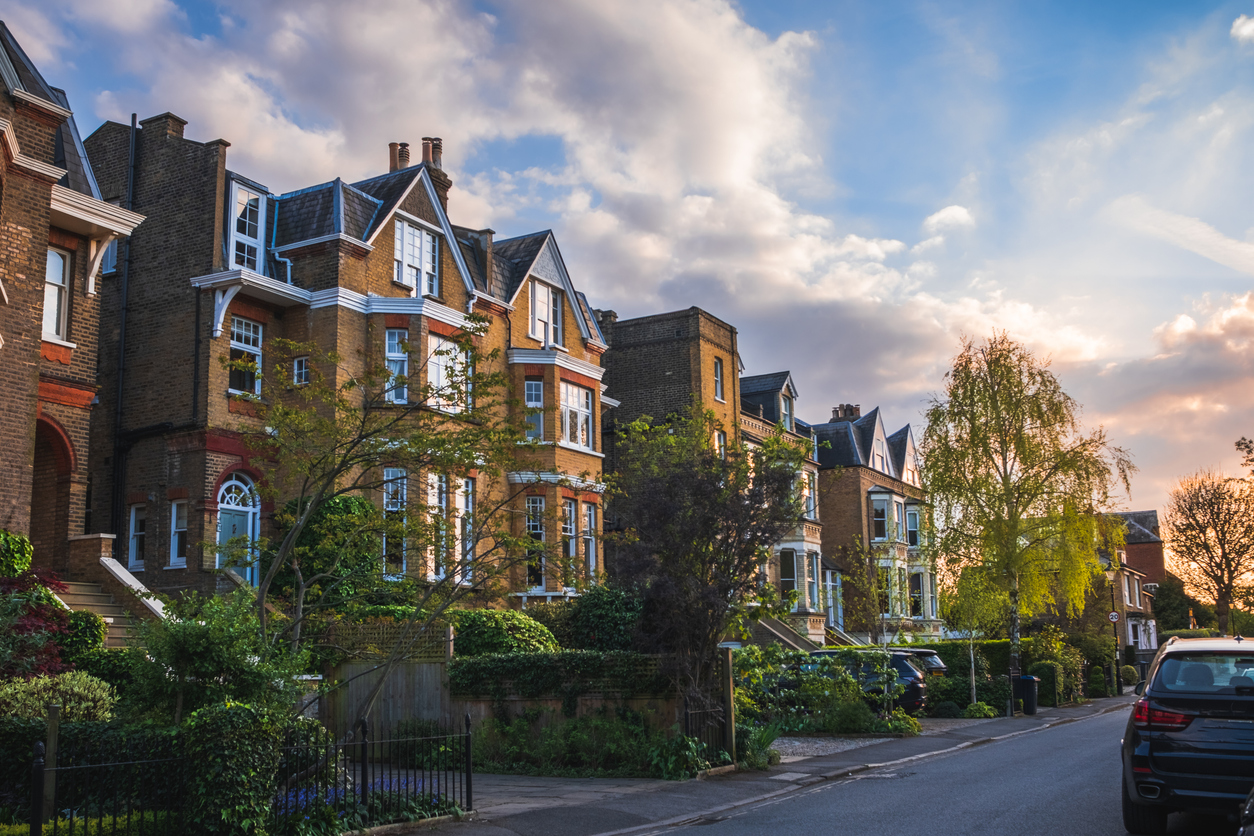
Location remains one of the strongest drivers of property value. Homes in desirable neighbourhoods consistently outperform those in less popular areas, even if the properties themselves are similar. This is why local market insight matters, well established estate agents who work day-to-day with buyers and sellers in specific towns, often have a clearer view of how micro-locations, street-level demand, and buyer behaviour influence achievable prices in practice.
Key elements that influence demand include:
- Proximity to transport links such as train stations and major roads
- Access to local amenities, including shops, parks, cafés, and healthcare
- Safety, reputation, and overall liveability of the area
Property Size, Layout, and Usable Space

While square footage matters, how space is used can be just as important. Buyers increasingly value flexible layouts that suit modern living.
Factors that affect value include:
- Number of bedrooms and bathrooms
- Open-plan living spaces versus poorly laid-out rooms
- Storage space and practicality
- Loft conversions, extensions, or additional reception rooms
A well-designed three-bedroom home can often outperform a larger but poorly laid-out property in terms of value.
Condition, Age, and Build Quality
The overall condition of a property has a significant impact on its market value. Homes that are well-maintained and move-in ready typically attract more interest and stronger offers.
Important considerations include:
- Age of the property and quality of construction
- Condition of the roof, windows, and structure
- Modern kitchens and bathrooms
- Energy efficiency and EPC rating
With rising energy costs, buyers are paying closer attention to insulation, double glazing, and heating systems, making energy efficiency a growing value driver in the UK market.
Local Market Conditions and Recent Sale Prices
Property values are heavily influenced by what similar homes have sold for recently. Even well-presented properties are unlikely to achieve prices far beyond local market norms.
Estate agents and surveyors typically assess value by analysing:
- Recent sold prices of comparable homes
- Current supply and demand in the area
- Buyer competition and market momentum
This is why valuations can vary significantly from one street to the next. Reviewing recent sales alongside wider market trends helps homeowners form a realistic understanding of how much their house is worth in the current market.
Schools, Transport, and Infrastructure

Local infrastructure plays a major role in shaping property values, particularly for families and commuters.
High-impact factors include:
- School catchment areas and Ofsted ratings
- Access to reliable public transport
- New or improved road and rail links
- Regeneration and infrastructure investment
Areas benefiting from transport upgrades or new schools often experience increased demand, which can lead to higher property values over time.
Planning Permission and Development Potential
Homes with scope for future improvement can attract a premium, especially in high-demand areas.
Buyers often value:
- Approved planning permission for extensions or conversions
- Loft, garage, or rear extension potential
- Flexibility to adapt the home over time
However, restrictions such as conservation area rules or listed building status can limit development potential and affect value differently depending on buyer priorities.
External and Environmental Factors

Not all value influences are positive. External factors can also impact a property’s appeal and price.
Examples include:
- Noise from traffic, railways, or commercial premises
- Flood risk or environmental concerns
- Nearby developments that affect views or privacy
While some buyers may overlook these issues, others may factor them heavily into pricing decisions.
How Much Can Home Improvements Increase Value?
Not all improvements add the same level of value. Some upgrades enhance appeal without delivering a full financial return.
Generally strong value-adding improvements include:
- Adding an extra bedroom or bathroom
- Improving energy efficiency
- Creating open, flexible living spaces
Cosmetic upgrades can improve saleability but don’t always increase value pound-for-pound. Understanding the local market is key before investing heavily in renovations.
Conclusion: Understanding Value Before Making Decisions
A home’s value is shaped by far more than just its size or postcode. Location, condition, market conditions, infrastructure, and future potential all play a role in determining what buyers are willing to pay.
By understanding these factors and looking at real local market data, homeowners can make informed decisions whether they are selling, renovating, or planning for the future. Taking a holistic view of value helps avoid unrealistic expectations and leads to better outcomes in any property journey.