

A Complete Travel Guide to the Isle of Wight & the Solent Area
by Northern Life
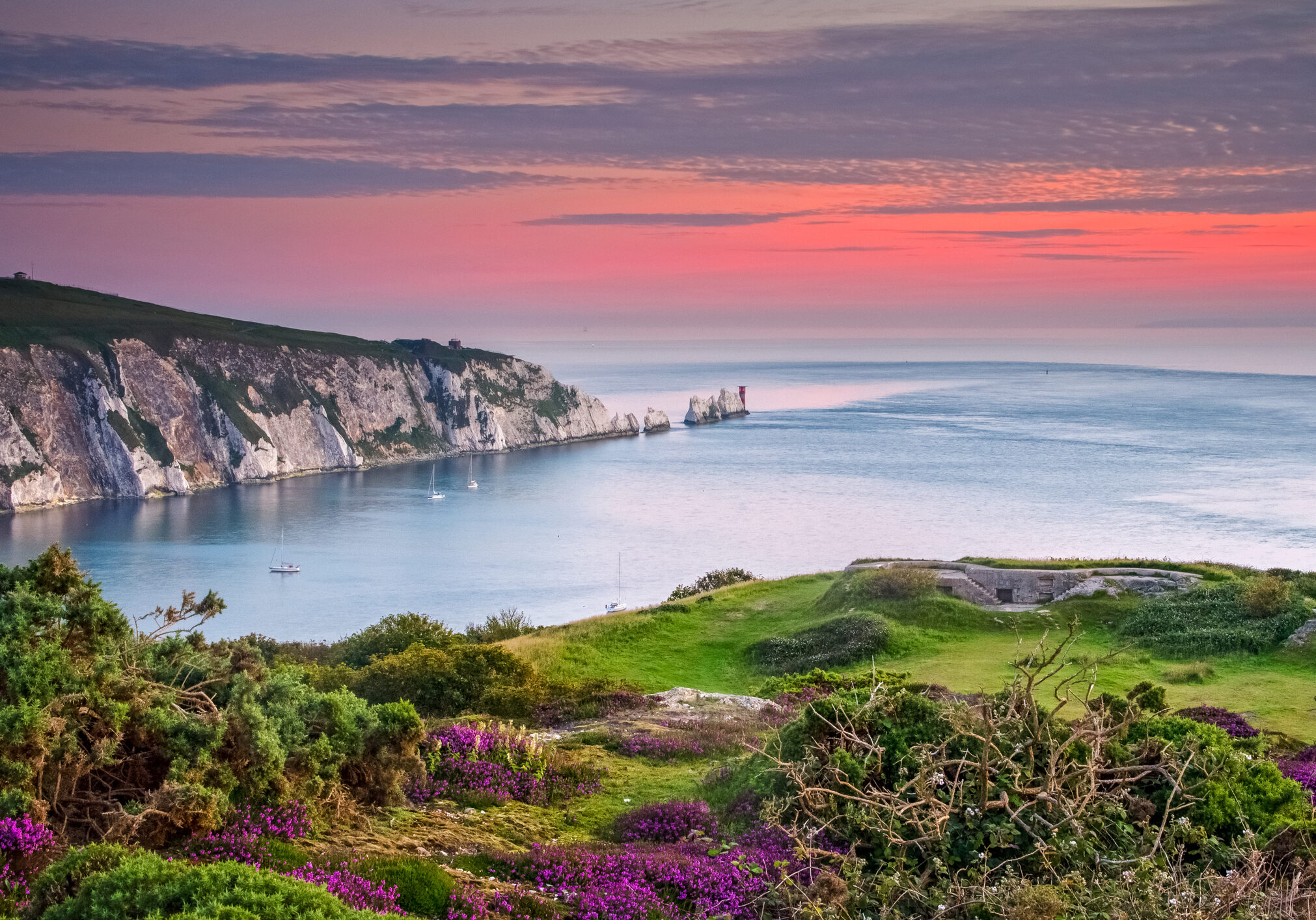
Sitting just off England’s south coast, the Isle of Wight is one of those places that quietly gives you everything: beaches, countryside, food, history, festivals, sailing culture, and easy access to nearby mainland cities. Whether you’re planning a long weekend or a slower, explore-everything stay, this guide covers how to visit the whole area — island and surrounding Solent — without missing the good bits.
Getting There: Ferries, Hovercraft & First Impressions
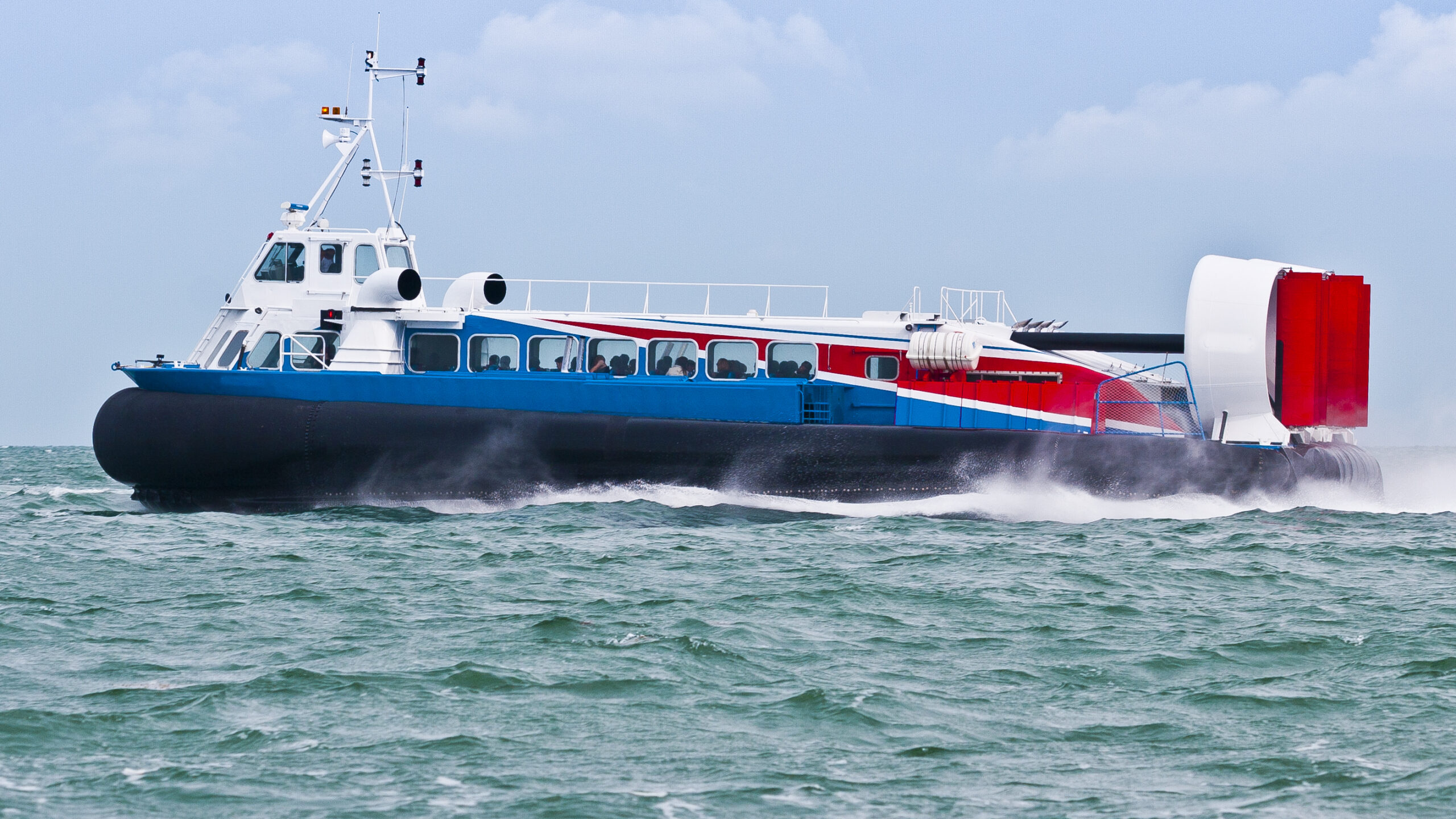
Getting to the Isle of Wight is part of the experience. You’ll arrive via the Solent, usually from Portsmouth, Southampton, or Lymington.
Options include:
- Car ferries (ideal if you want total freedom to explore)
- Passenger ferries into Ryde, Cowes, or Yarmouth
- Hovercraft (fast, fun, and very Isle-of-Wight)
Once you arrive, the pace changes immediately. It’s calmer, greener, and more old-fashioned in the best possible way and many enjoy Wightlink as the way to get there.
Where to Stay: Choosing Your Base
Each part of the island has a different personality:
- Ryde – Great transport links, long beach, lively promenade
- Shanklin – Classic seaside charm, Old Village pubs, good for families
- Sandown – Traditional beach holiday feel
- Cowes – Trendier, nautical, brilliant food scene
- Ventnor – Artsy, microclimate, dramatic cliffs
If you want to see the whole island, staying centrally (near Newport) or splitting your stay between east and west works well.
Getting Around the Island
The island is compact but varied.
- Car: Best for beaches, viewpoints, and hidden spots
- Buses: Surprisingly good, scenic routes included
- Cycling: Excellent coastal and countryside routes
- Walking: Ideal for cliff paths and historic villages
Distances are short, but you’ll want time — this isn’t a rush-through place.
Beaches, Cliffs & Natural Highlights
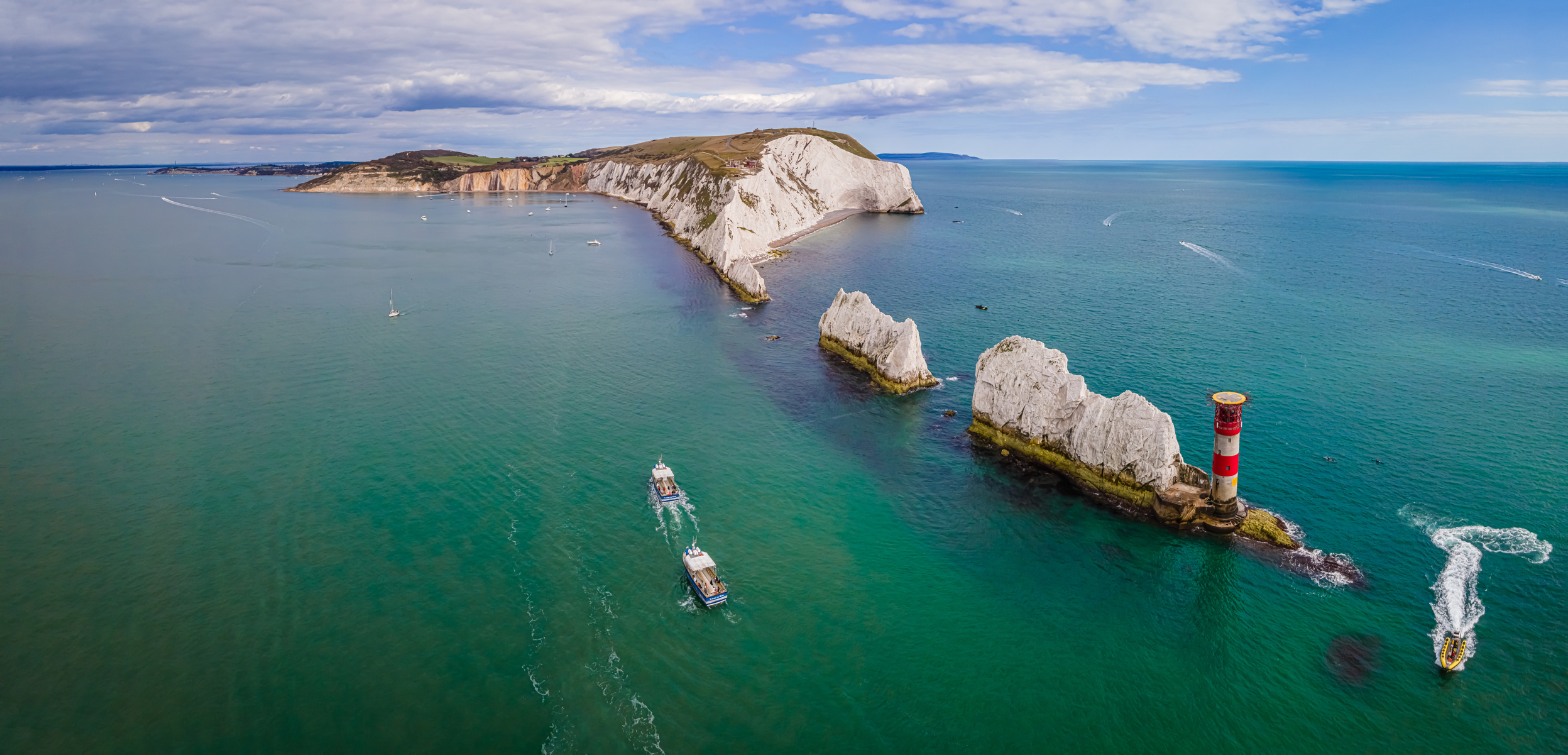
Nature is the Isle of Wight’s biggest flex.
- The Needles – Iconic chalk stacks and lighthouse
- Compton Bay – Wild, open, great for sunsets
- Shanklin Chine – Lush, shaded, and surprisingly dramatic
- Ventnor Botanic Garden – Unique plants thanks to the island’s microclimate
Clifftop walks around the south and west are genuinely some of the best in southern England.
Food & Drink: Local, Coastal, and Properly Good
The food scene has levelled up in recent years.
Expect:
- Fresh seafood (crab, lobster, scallops)
- Island-reared beef and lamb
- Independent bakeries and cafés
- Strong pub culture with actual locals
Cowes and Ventnor punch well above their weight for restaurants, while village pubs inland are where you’ll find the most character.
History, Culture & Things To Do

The island packs a lot of history into a small space:
- Osborne House – Queen Victoria’s seaside palace
- Carisbrooke Castle – Panoramic views and royal history
- Dinosaur fossils along the south coast
- Annual events like Cowes Week and the Isle of Wight Festival
It’s a mix of heritage and relaxed modern island life.
Nightlife: What to Expect
The Isle of Wight isn’t a late-night, neon-lit destination — and that’s kind of the point.
- There are no full-scale casinos on the island
- You will find seaside arcades and adult gaming centres
- Evening entertainment is more about pubs, live music, bars, and coastal dining
Exploring the Wider Solent Area
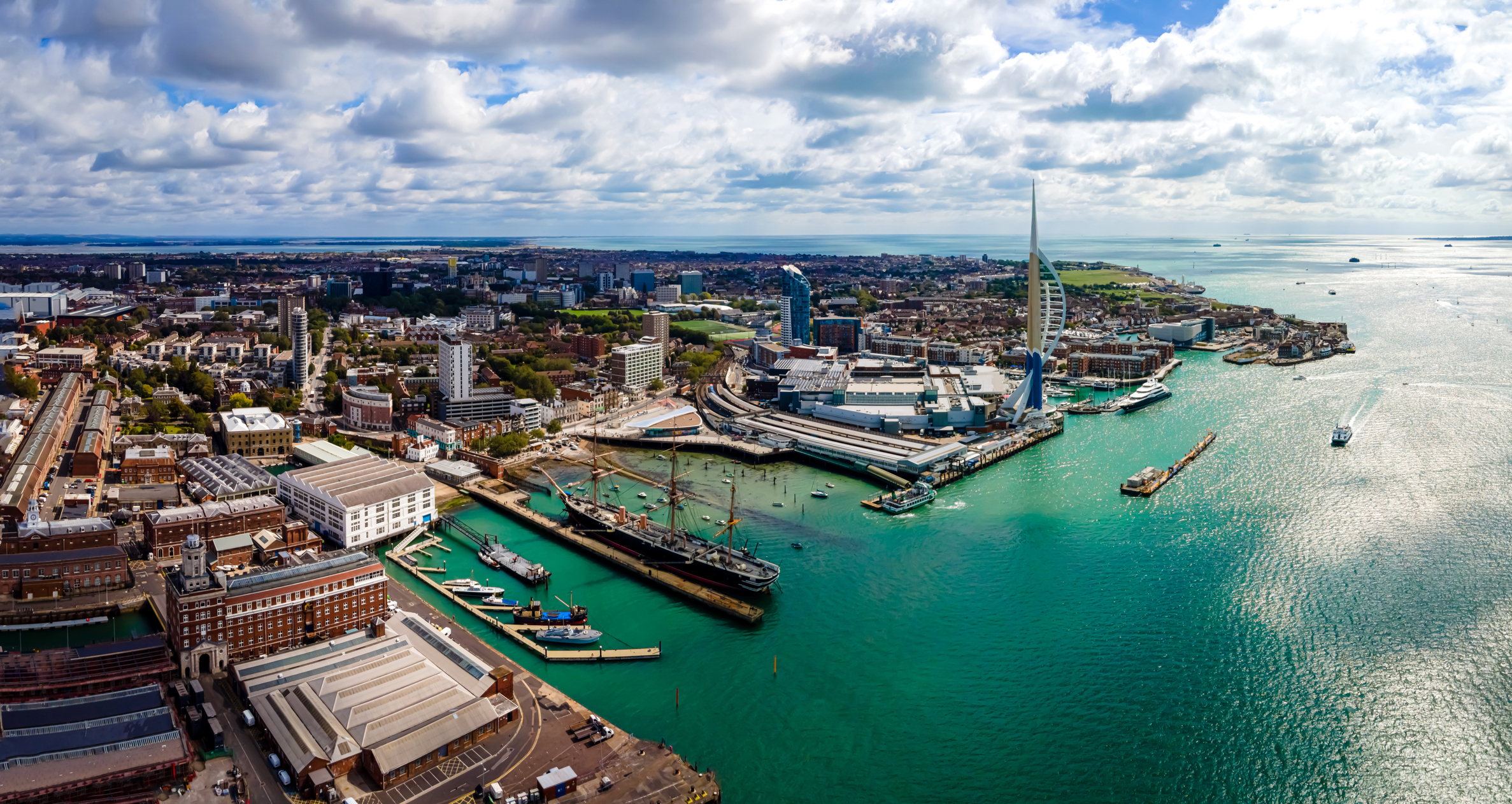
One of the underrated perks of visiting the Isle of Wight is how well it pairs with the surrounding coast.
Consider combining your trip with:
- Portsmouth’s historic dockyard and nightlife
- Southampton’s shopping, restaurants, and cruise port buzz
- Lymington’s cobbled streets and New Forest access
This island-plus-mainland combo gives you beaches and city energy in one trip.
When to Visit
- Spring: Wildflowers, quiet paths, mild weather
- Summer: Festivals, swimming, sailing, busy but brilliant
- Autumn: Warm seas, fewer crowds, golden light
- Winter: Peaceful, atmospheric, great for walking and pubs
If you want balance, late May–June or September are sweet spots.
Final Thoughts: Why the Isle of Wight Works
The Isle of Wight isn’t trying to be flashy. It’s confident in what it offers: space, scenery, good food, and breathing room. Pair it with the nearby Solent cities and you get a well-rounded trip — countryside, coast, culture, and even the option of a casino night if that’s your thing.