
5 Tips to Make a Steel Roof Last Longer
by Northern Life
On average, the lifespan of a steel roof is around 40 to 60 years, which is one of its main advantages as a cladding and/or roofing product.
This explains why its initial cost is higher than that of other materials, as its longevity justifies the investment. However, there are some issues that could compromise its longevity and lead to the material needing to be replaced earlier than planned.
Below, we share some tips to help extend the lifespan of our products, thus avoiding the need to pay again.
Proper installation of steel panels:
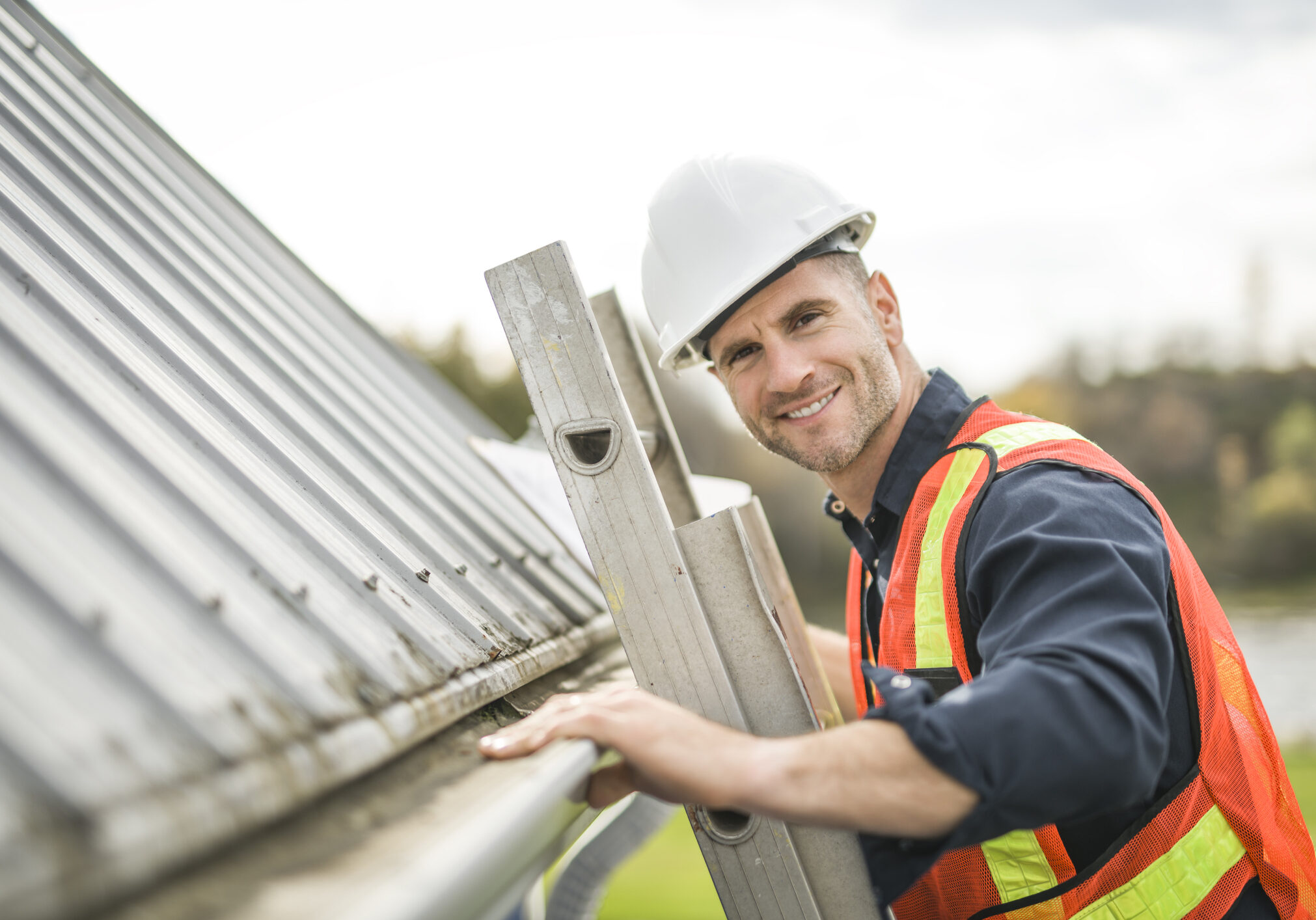
Often, materials develop problems because of mistakes during installation. Even if these mistakes are sometimes simple—such as not tightening screws correctly or using an unsuitable sealant—we consider it essential to hire an expert in this type of installation, such as a professional roofer in Birmingham, who has sufficient experience.
Depending on the type of panel used, metal roof installations require different skills and tools than other roofing installations.
Choose a steel roof suitable for the climate where the property is located:
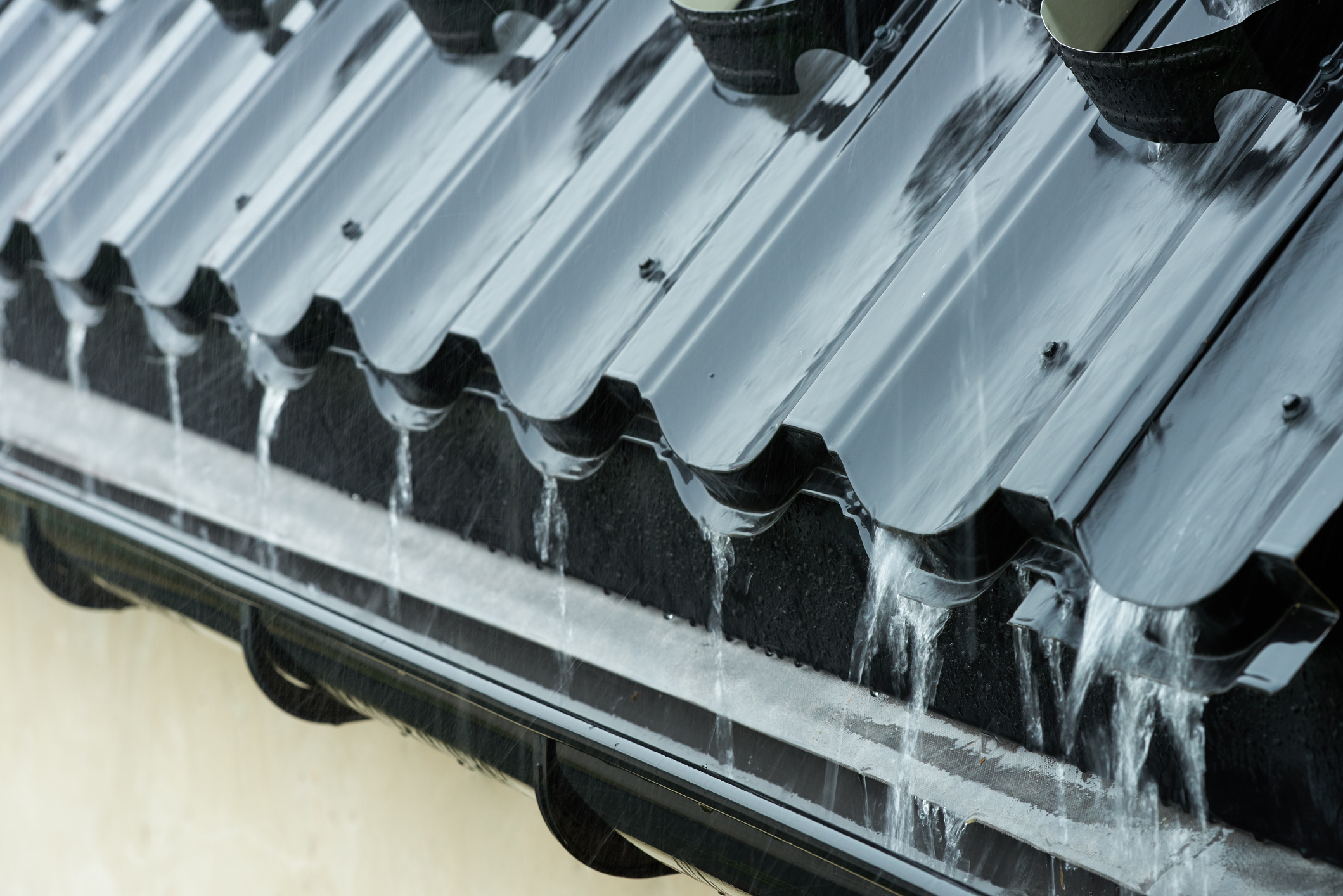
It should be considered that very adverse weather conditions, such as strong winds or heavy snowfall, can affect any roof, not only steel ones. Steel is a strong material and can withstand winds of up to 200 km/h. Even so, if your area experiences strong winds or storms, you will want to carry out an inspection afterwards.
Depending on the extreme climate, there are particular areas you should check:
- Snowstorm: check flashings, joints, and gutters. If you have snow guards, make sure they are not damaged.
- Strong winds: check for damage from fallen branches and for loose or missing flashings and joints.
- Hailstorm: check for loose fasteners, damage to flashings and joints, and dents.
In areas with milder weather, you have more flexibility in the type of steel roof you choose.
If you live within 2 kilometres of the sea, choose a steel roofing material compatible with the salty air in coastal areas. Otherwise, your roof will rust and fail prematurely.
Choose the right roof according to its pitch:
If a type of steel panel is used on a pitched roof for which it is not recommended, repairs may be required due to leaks.
The pitch of a roof refers to its slope and indicates how many inches the roof rises for every 12 inches it runs horizontally (it can also be expressed as a percentage).
Certain types of steel roofing are not designed for flat or very low-slope roofs, as they can accumulate water.
A flat steel panel, such as a standing seam, on a flat roof leaves nowhere for water to drain. Eventually, water will work its way underneath the roofing material, causing substrate rot, discolouration, or leaks.
Choose the right metal panel gauge:
The thickness of a panel can affect durability and, therefore, its longevity.
When it comes to severe weather elements such as snow, strong winds, or hail, a thinner material could be a problem.
That is why the additional weight gives the roof a greater chance of remaining intact during a storm or very strong winds.
Keep up with metal roof maintenance:
Failing to carry out routine maintenance could mean that developing problems go unnoticed until it is too late, resulting in costly repairs or even roof replacement.
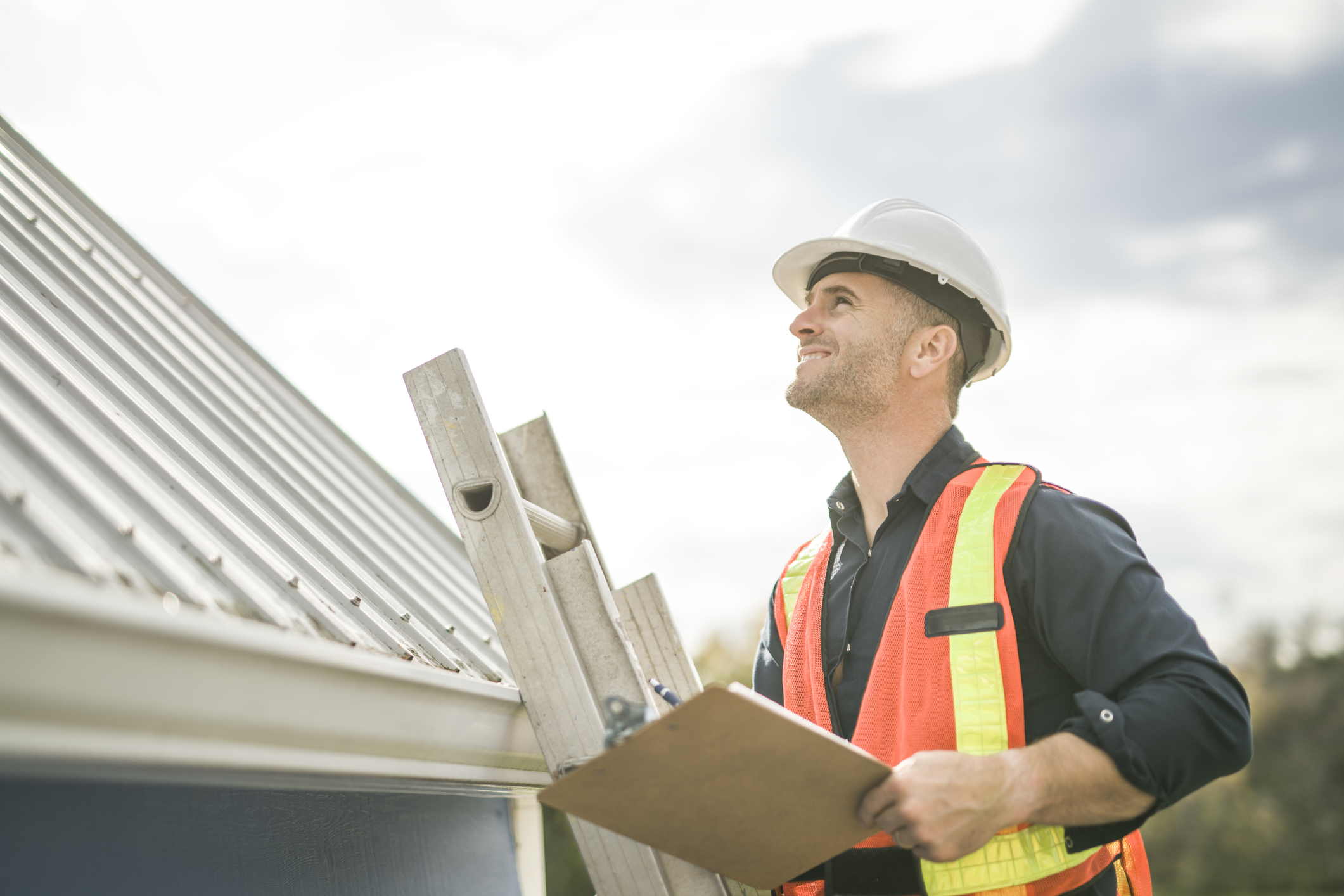
As mentioned above, inspections must be carried out after storms as a matter of course. However, regular preventive maintenance of the roof should also be carried out annually to anticipate any potential issues that may arise. A professional roofer can carry out such inspections, and you can find one by searching for the keywords “roofer near me.”
Conclusion
Steel roofing offers exceptional durability, lasting for decades on average; however, this depends on several factors, such as the quality of materials, precise installation planning, and, of course, routine maintenance. Thorough preparation at the outset determines the lifespan of a steel roof, and while this requires a higher initial investment, it is well worth it in the long run.