


How to Deal with Slugs, Snails, and Other Garden Pests
by Northern Life
Gardens face challenges from pests like gastropods, aphids, and caterpillars. These creatures stop plants from thriving. Fortunately, there is a solution.
This guide offers practical tips to manage pests effectively without expensive products or harming the environment.
Identify the Pests
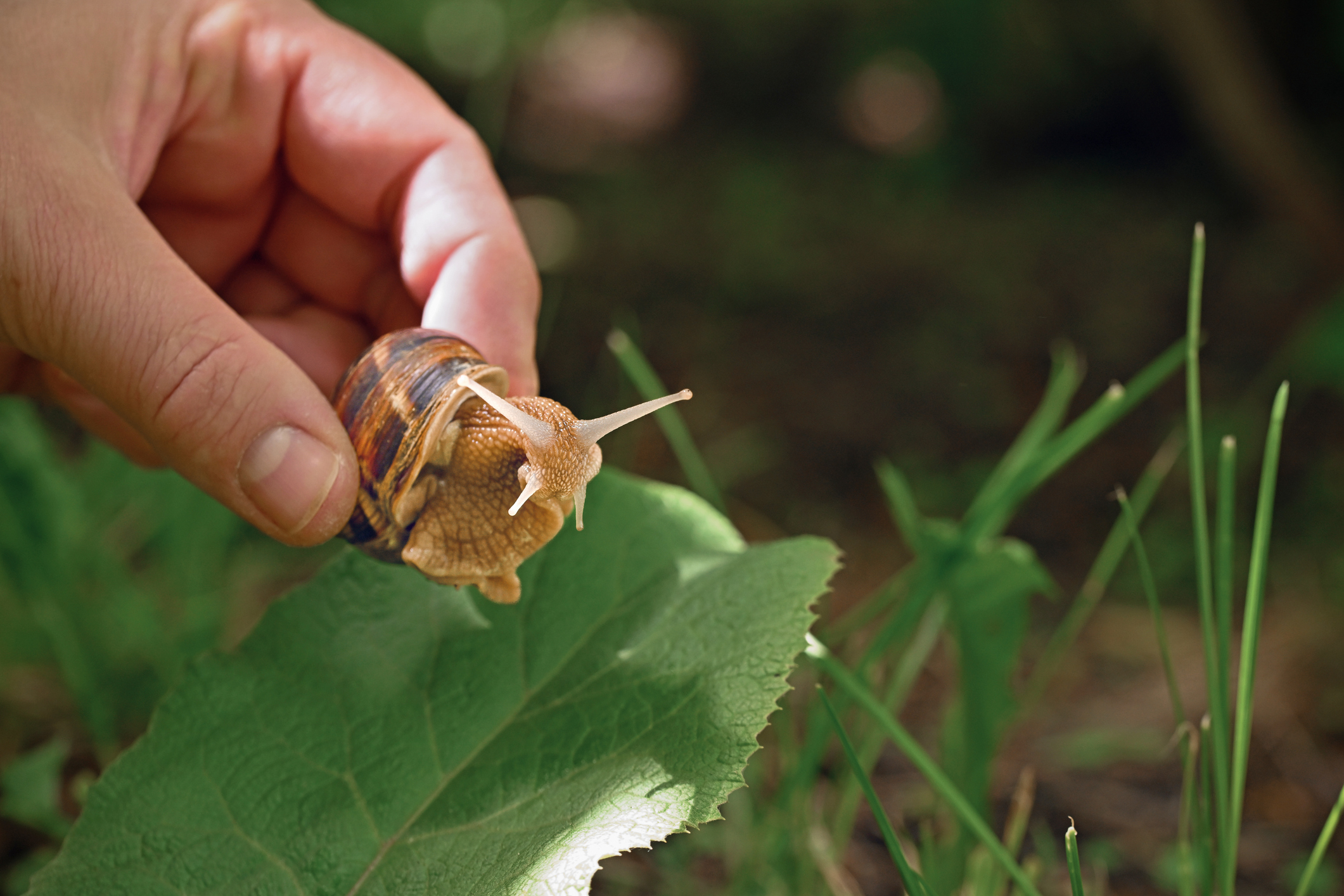
First, always identify the insects. Gastropods, for instance, prefer damp, shaded spots. They typically grow between 2.5 and 5 centimetres long and have brown or grey bodies.
These invertebrates feed at night. As far as telltale signs: look for holes in foliage and shiny trails across plant surfaces.
On the other hand, aphids are tiny, pear-shaped insects that are either green or black. They gather on new growth, causing leaves to curl inward. Finally, larvae appear as small, wriggling creatures that can quickly strip vegetation of its leaves.
When you notice these indicators early, you can get more effective treatment. Keeping a detailed journal can help you track infestation patterns.
Document when you spot different species and their locations. This information will prove invaluable for preventing future problems.
Study local populations, as each region faces different challenges. Understanding which species are common in your area leads to better prevention and management.
Plant Resistant Varieties
One of the best defences against unwanted visitors lies in choosing appropriate vegetation. Many herbs repel gastropods naturally. Lavender, rosemary, and sage work effectively thanks to their aromatic foliage and tough texture.
Incorporating these specimens throughout your landscape creates natural protection while adding visual interest. Not only that, but these hardy plants also require minimal maintenance.
Select varieties that suit your local climate and soil composition. You’ll find that many indigenous species have developed natural immunity to common invaders in your region.
The specialists at your neighbourhood nursery can recommend the right flora which flourishes in your area and deters pests.
Remember, choosing resistant greenery reduces your reliance on chemical treatments. This strategy builds a stronger, more sustainable space that improves over time rather than requiring constant attention.
Maintain Garden Hygiene
A tidy landscape naturally discourages invaders. Clear fallen foliage, lifeless plants, and organic debris regularly. These materials create perfect hideouts for gastropods.
While warding off bugs, well-maintained beds also improve air circulation and sunlight absorption.
Moreover, keep your irrigation habits in check, as excess moisture creates ideal conditions for many species.
Check soil dampness and adjust watering schedules accordingly. Consider installing drip systems to keep the top-soil layer drier.
Leverage Ecological Methods
Natural techniques can protect your plot while preserving beneficial insects and wildlife. These sustainable approaches will also help you prevent future problems.
Use Physical Barriers
Create protective barriers to safeguard your plants. For instance, spread crushed eggshells around vulnerable specimens. That way, you can deter gastropods and at the same time add calcium to the soil.
Diatomaceous earth is another organic solution. This powder dehydrates soft-bodied invaders on contact. Distribute it around vegetation and reapply it after rain or irrigation.
Copper strips also provide reliable protection for containers and raised plots. When gastropods touch the metal, they receive a small electrical shock and retreat.
These affordable, sustainable methods work effectively while conserving the planet.
Encourage Beneficial Wildlife
To keep the ecosystem of your garden balanced, encourage helpful creatures that naturally manage unwanted populations. Avians consume large numbers of insects, including troublesome larvae and aphids.
Add feeders and water features to attract these natural controllers. Create sheltered areas where birds feel secure while hunting garden invaders.
Furthermore, amphibians consume countless gastropods. A small pond or damp, shaded spaces will invite these helpful hunters into your landscape.
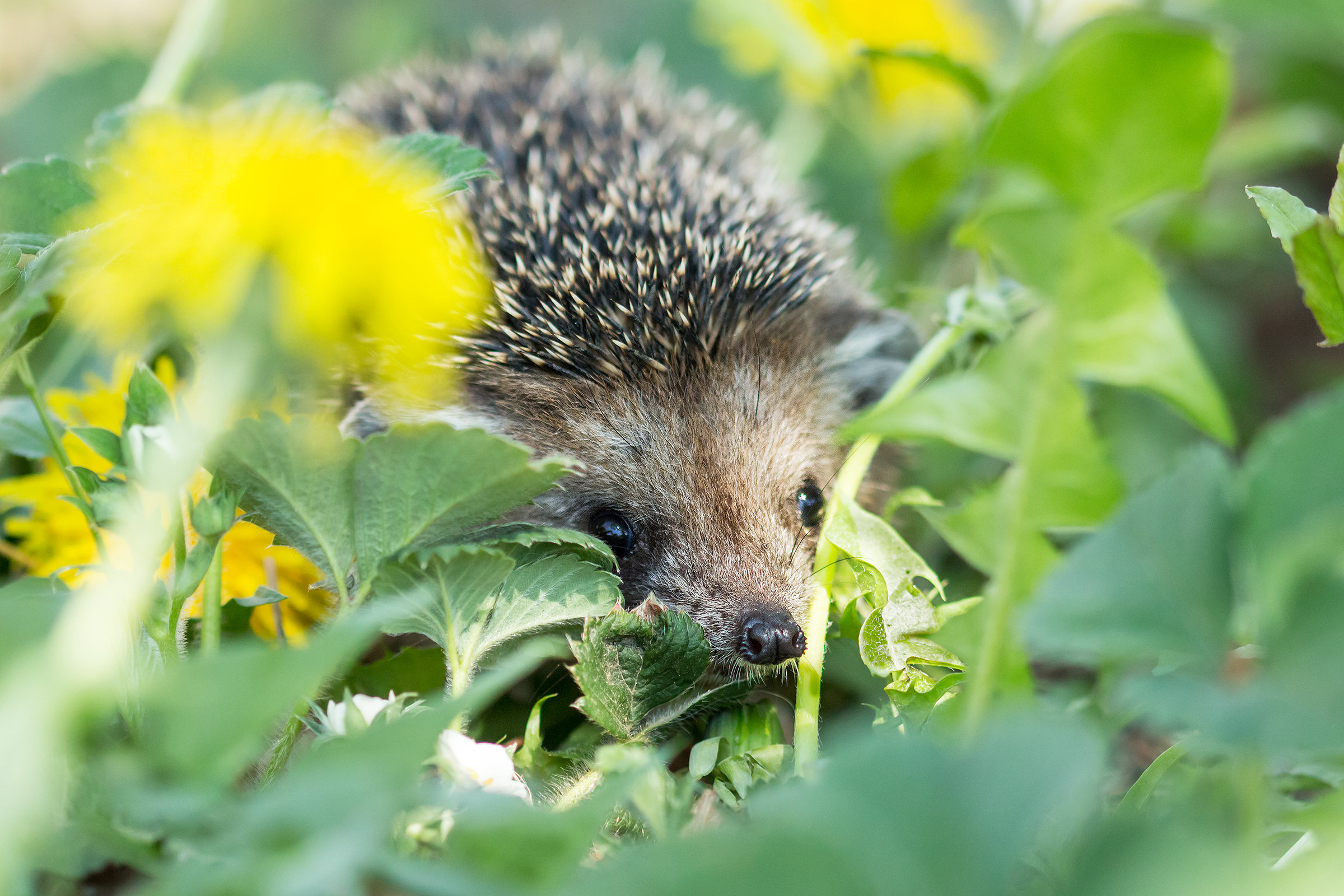
Hedgehogs patrol at night, eating molluscs and beetles. Leave some areas slightly unkempt to encourage them to build nests or construct simple shelters to welcome these beneficial visitors.
Implement Traps and Lures
In addition to natural predators, you’ll need some makeshift solutions for chemical-free control.
Fermented beverages, for instance, work particularly well for gastropods. Thus, bury shallow containers and fill them with beer. The yeast will attract molluscs, which will fall in and be unable to escape.
Citrus halves make excellent temporary traps as well. Place them, cut side down, near vulnerable specimens in the evening.
These bugs are generally attracted to the moisture and scent of the fruit, so they will most probably end up crawling inside during the night. The next morning, remove and dispose of any pests hiding inside.
Use Organic Solutions
Sometimes, persistent issues require additional measures. Natural products like neem oil and insecticidal soap offer effective management without harsh chemicals.
Follow the package instructions carefully when preparing these botanical solutions. Apply them during the early morning or evening for the best results and focus on thoroughly coating the affected specimens.
These gentle alternatives manage invaders while preserving beneficial insects. Nevertheless, make sure to reapply them periodically to keep your greenery protected.
Consult Professional Gardeners
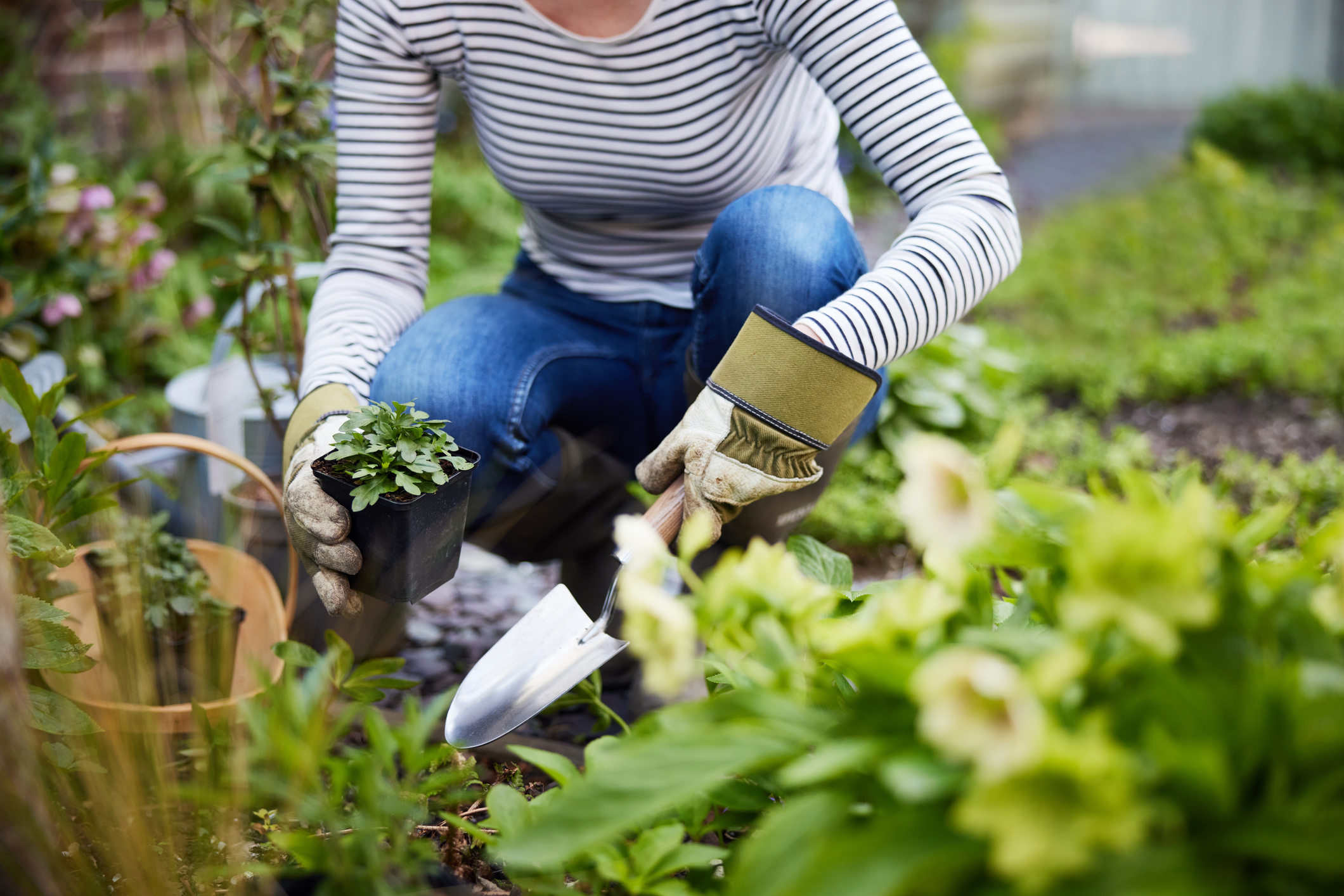
Expert horticulturists help prevent pest problems through regular garden maintenance and proper pruning techniques.
These skilled workers understand how overgrown plants and dense foliage create perfect hiding spots for unwanted insects. Licensed gardeners can clear away dead growth, fallen leaves, and thick undergrowth that would otherwise shelter damaging pests.
Beyond basic cleanup, regular maintenance includes proper pruning to improve air circulation through plants and shrubs.
Licensed gardeners expertly trim dense vegetation, eliminating dark, damp spaces where slugs and snails thrive. This systematic approach removes the protective cover that these bugs need to establish colonies.
Trained specialists can pinpoint pest-friendly conditions and address them before problems develop.
Their routine services often include removing plant debris, managing ground cover density, and maintaining appropriate spacing between specimens.
This consistent attention disrupts pest life cycles and makes your outdoor space less attractive to unwanted visitors.
Monitor and Adjust Strategies
Consistent observation will help you catch issues early. Hence, inspect your landscape often, checking for signs of activity. Keep notes about successful methods and needed adjustments.
Climate affects pest-control success, so you need to adapt your techniques to changing conditions. Physical barriers, for example, work better in some situations, while traps prove more effective in others.
Conclusion
Your garden is a living ecosystem where every choice makes a difference. By embracing natural pest control methods, you’ll not just solve a problem. You’ll be able to create a more resilient outdoor space.
Start small by scattering some eggshells, installing a bird feeder, or planting aromatics like lavender.
Remember, building a pest-resistant plot takes time, but the reward is worth it. You’ll end up with a thriving, balanced space that practically takes care of itself. Take that first step today, and let nature become your strongest ally.