


5 Tips to Manage Your Cash Flow for Your Winery and Brewery Business
by Northern Life
Some varieties of business are inherently more seasonal than others. If you’re running a winery or a brewery, you might produce your goods in batches and reinvest the profits into refining the product for the next batch.
Dealing with this means being able to cope with a wildly varying cash flow. During some months, you might be making a serious profit; during others, you might be making a substantial loss.
So, what can be done about this?
Forecast Production Cycles and Inventory Turns
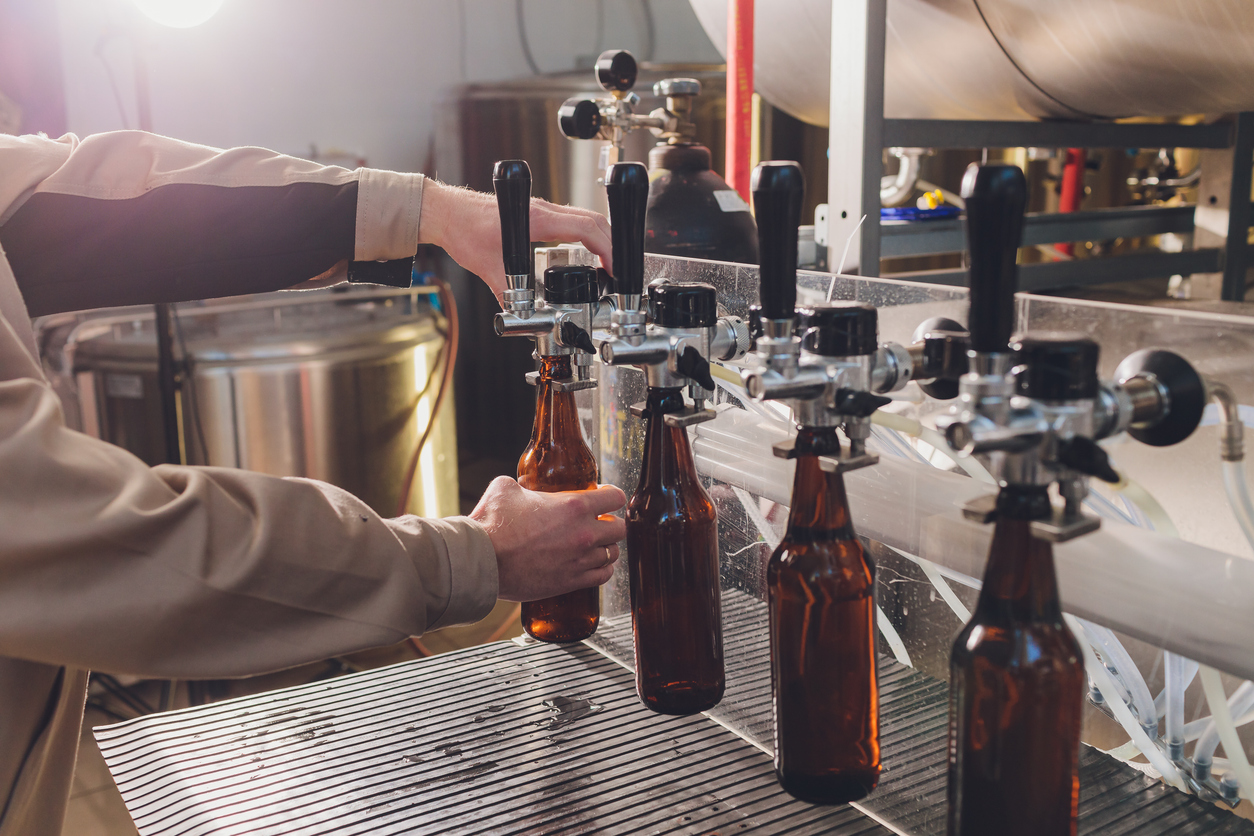
Since your cash will be tied up for long periods in production and maturation, you’ll need to know exactly how long these periods will last. You might also stagger things to spread out the workload. When you understand exactly when a given batch is going to be released, you can make plans for the incoming cash – and you can more effectively limit your warehousing costs.
Monitor and Manage Costs of Duty, Taxes and Rising Overheads

You’ll want to form a good idea of the costs you’ll be facing. These might stem from rising energy bills. Businesses of this kind are also extremely vulnerable to shifts in the rate of alcohol duty.
The best way to address the former problem is to limit your energy expenditure by adopting green practices and installing more efficient machinery. The latter problem can be addressed by diversifying into non-alcohol niches and passing the duty cost on to consumers.
Strengthen Payment Terms, Debtor Management and Credit Control

When you’re issuing a bill, you’ll want to make clear exactly when you expect to be paid, and what the consequences of a failure might be. The clearer your terms, the easier it will be to extract payment from debtors.
You might offer incentives for early settlement and penalties for those who drag their feet. When accounts are overdue, you’ll need a procedure in place for chasing them up.
Engage Professional SME Accountants to Optimise Working Capital
Specialised SME accountants might have a much stronger understanding of the drinks sector, and of the financial subtleties that surround tax planning and subsidies. This can lighten your company’s administrative burden and allow you to focus on developing high-quality wine and beer.
Secure Flexible Financing and Maintain a Cash Buffer
The best way to deal with a cash-flow problem is often to secure the right financing. An overdraft, or a seasonal line of credit, might help to plug a gap during the lean periods. You might maintain a healthy cash buffer to the same end. Cancelled orders and supply-chain shocks can make life tricky – but if you have the liquidity available, you can deal with them without resorting to debt.