


What Fire Safety Equipment Do UK Buildings Need in 2025 to Stay Compliant and Protected?
by Northern Life
Fire safety in the UK has evolved significantly in recent years. In 2025, compliance is no longer just about ticking boxes—it’s about protecting lives, reducing risk, and ensuring buildings are prepared for emergencies. From workplaces and schools to residential blocks and public venues, having the right fire safety equipment in place is essential.
This guide explores the most critical fire protection tools UK buildings rely on today, including P50 fire extinguishers, carbon monoxide detectors, and smoke alarms, and explains how they work together to create safer environments.
Why Has Fire Safety Become a Higher Priority in the UK?
Several factors have driven increased focus on fire safety:
- Updated fire safety legislation and enforcement
- Greater awareness of carbon monoxide risks
- More complex building layouts and mixed-use properties
- Demand for low-maintenance, reliable safety equipment
Building owners and duty holders are now expected to take a proactive approach, rather than reacting after an incident.
What Makes the P50 Fire Extinguisher Different from Traditional Extinguishers?
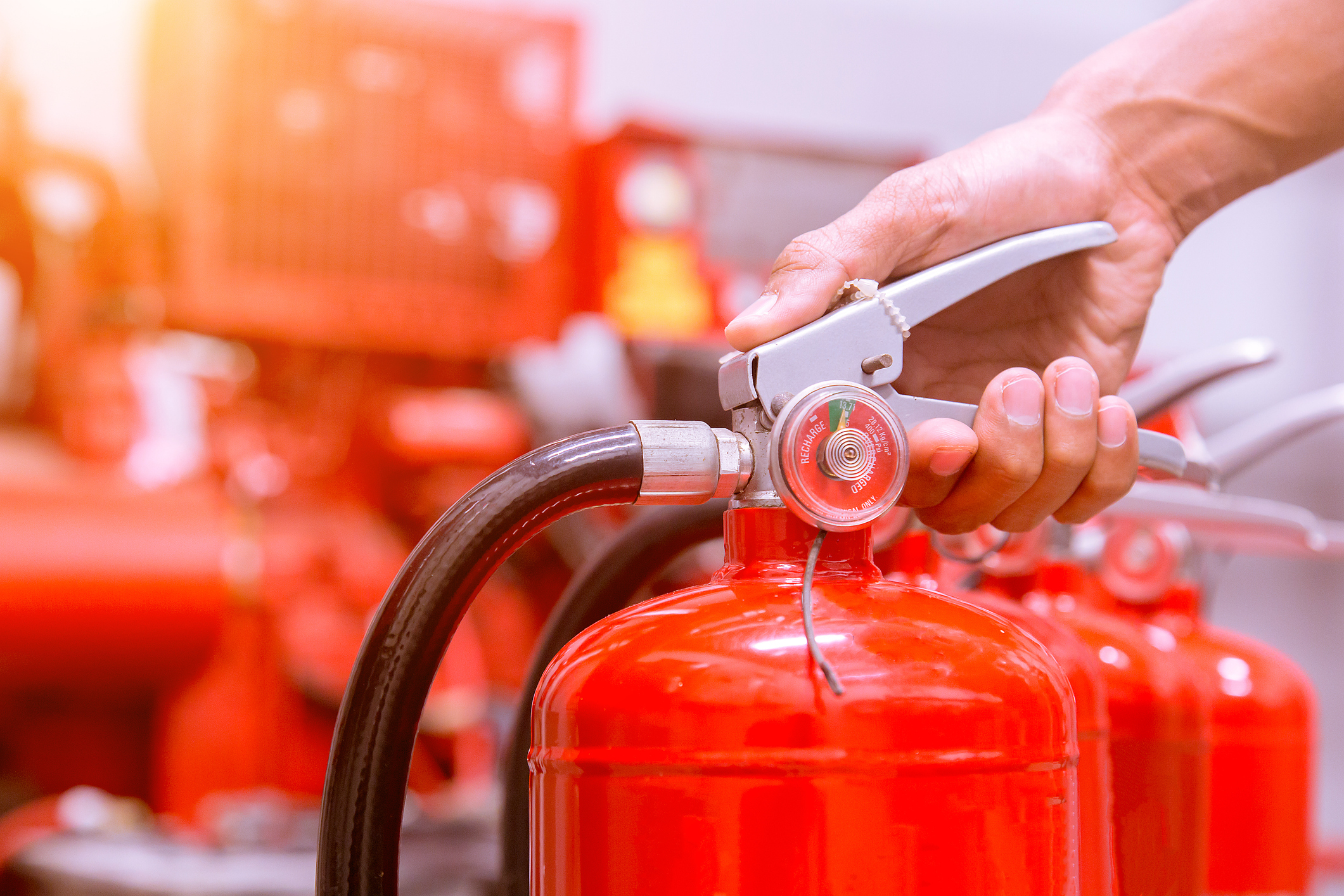
Traditional fire extinguishers require annual servicing, which can be costly and disruptive. The P50 fire extinguisher has transformed this model by offering a service-free alternative designed for modern buildings.
How Do P50 Fire Extinguishers Work?
P50 extinguishers are manufactured using composite materials that resist corrosion and pressure loss. They are designed to last for up to 10 years without the need for engineering servicing.
Key benefits include:
- No annual servicing requirement
- Lightweight, corrosion-resistant construction
- Clear pressure indicators for visual checks
- Compliance with UK fire safety standards
Learn more about P50 fire extinguishers here:
Where Are P50 Fire Extinguishers Most Effective?
P50 extinguishers are widely used in:
- Offices and commercial buildings
- Schools and educational facilities
- Residential blocks and HMOs
- Retail units and warehouses
Their reduced maintenance requirements make them particularly appealing for organisations managing multiple sites.
Why Are Carbon Monoxide Detectors Essential in 2025?
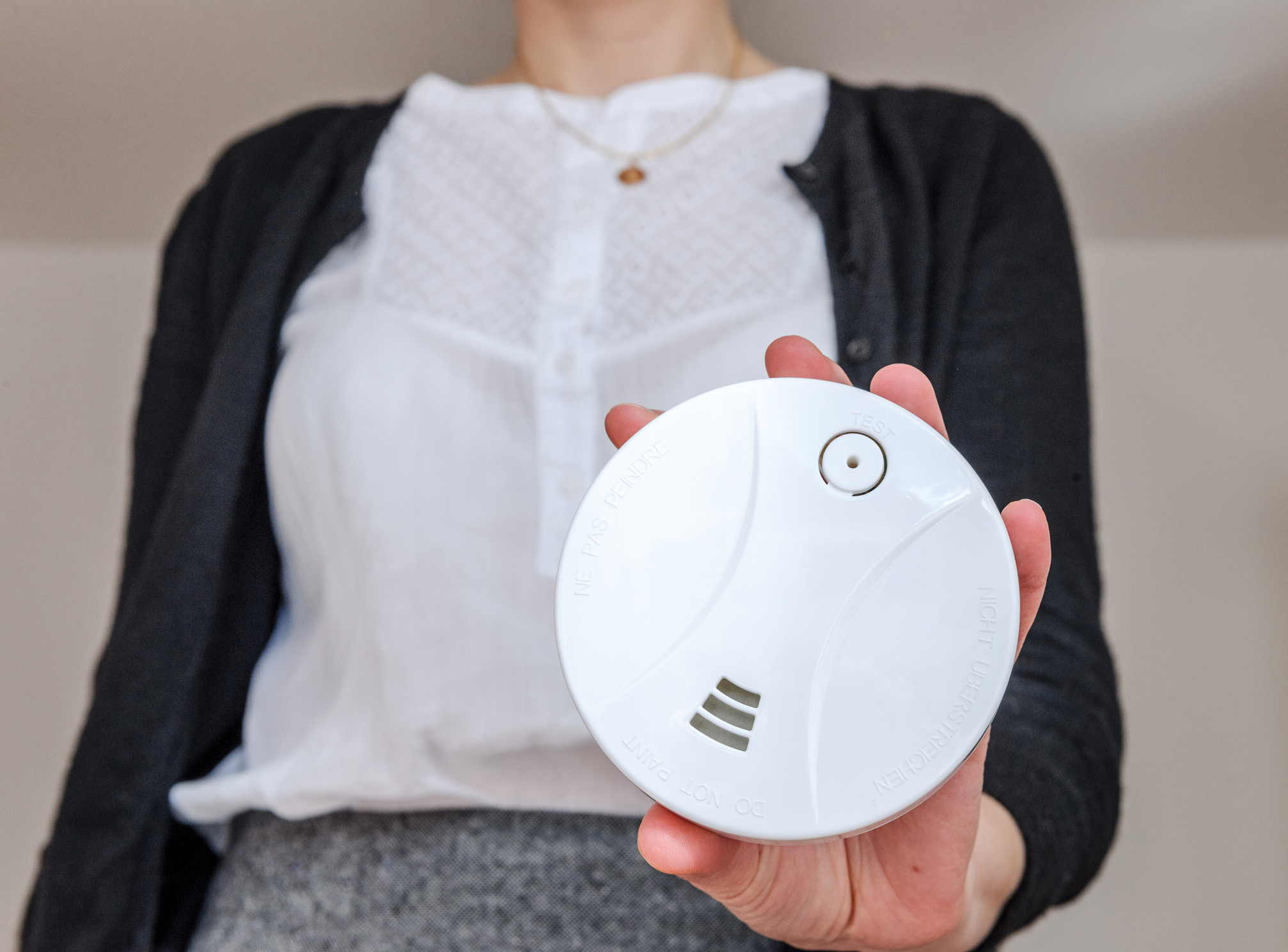
Carbon monoxide (CO) is a colourless, odourless gas that poses serious health risks. With increased use of gas appliances and solid-fuel heating, carbon monoxide detectors are now a critical part of building safety.
What Risks Do CO Detectors Protect Against?
CO detectors provide early warnings of dangerous gas levels caused by:
- Faulty boilers or heaters
- Blocked flues or chimneys
- Poorly ventilated fuel-burning appliances
Safelincs offers a range of reliable Safelinc’s CO Detectors designed for domestic and commercial use:
Where Should Carbon Monoxide Detectors Be Installed?
Best practice includes installing CO detectors:
- Near boilers and fuel-burning appliances
- In sleeping areas
- On each level of a property, where applicable
Early detection significantly reduces the risk of CO poisoning, particularly in residential settings.
How Do Smoke Alarms Form the First Line of Fire Detection?
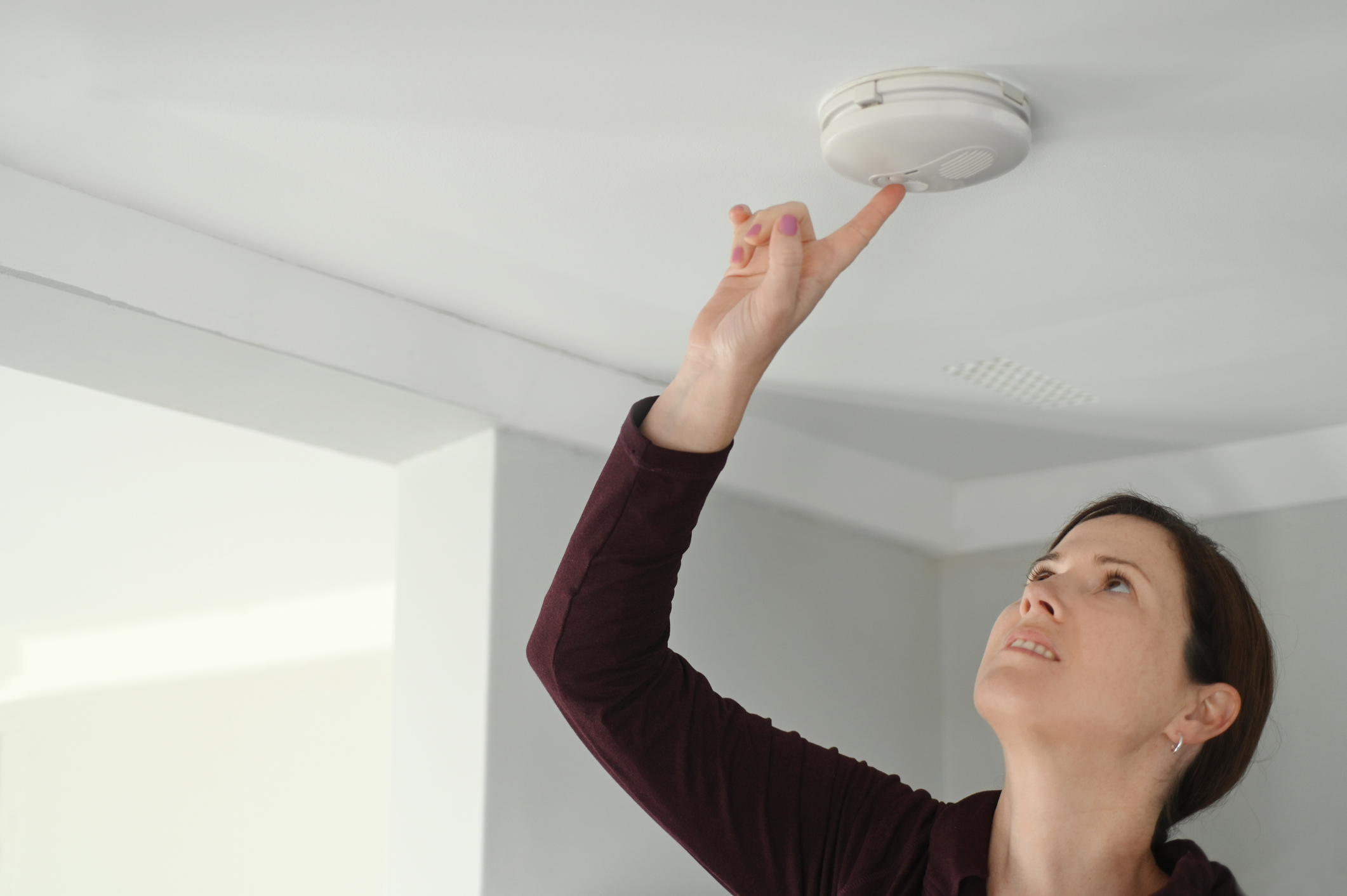
Smoke alarms remain one of the most effective life-saving devices in any building. In 2025, mains-powered smoke alarms are increasingly preferred for their reliability and continuous power supply.
What Are the Advantages of Mains-Powered Smoke Alarms?
- Continuous power with battery backup
- Interlinking capability for full property coverage
- Faster response times
- Compliance with updated building regulations
View compliant smoke alarms here:
How Do These Systems Work Together?
Effective fire safety relies on layered protection:
- Smoke alarms provide early detection
- CO detectors protect against invisible gas threats
- Fire extinguishers allow a safe response to small fires
Together, they create a robust safety framework that protects occupants and supports legal compliance.
What Should Building Owners Consider When Choosing Fire Safety Equipment?
Key considerations include:
- Building type and occupancy
- Legal responsibilities under fire safety legislation
- Ongoing maintenance requirements
- Ease of use and staff training
Choosing modern, compliant equipment reduces long-term risk and operational costs.
Final Takeaway: Is Modern Fire Safety Worth the Investment?
In 2025, fire safety is about prevention, reliability, and accountability. Equipment such as P50 fire extinguishers, CO detectors, and smoke alarms provides dependable protection while reducing maintenance burdens.
For UK building owners and managers, investing in the right fire safety solutions is not just a legal obligation—it’s a responsibility to protect lives.