

Wall Art Swaps: A Simple Ritual That Keeps Home Feeling New
by Northern Life
There’s a particular kind of tired that shows up in your house before it shows up in you. It’s the moment you look around, and everything feels… stuck. Same walls, same corners, same view from the couch where you fold laundry and answer emails and referee sibling debates. Nothing is wrong, exactly, but the space starts to feel heavy, as if it’s holding onto every hectic day that has passed through it.
Here’s the surprising fix: you don’t need new furniture, a paint job, or a full weekend of “redecorating.” You need a reset that’s small enough, actually, to happen. That’s what wall art swaps are—rotating a few key pieces of art on a simple schedule so your home feels refreshed without creating more work.
When you’re a parent, a “home upgrade” only counts if it lowers stress, not adds to it. Let’s make this one easy.
Why Wall Art Swaps Work (and Why Your Brain Loves Them)
If you’ve ever rearranged a bookshelf or changed your phone wallpaper and felt oddly better for no logical reason, you’ve already experienced the power of novelty. Our brains pay attention to change. It interrupts autopilot and makes a familiar space feel newly “noticed” again.
In a busy household, autopilot is both a blessing and a trap. It keeps you moving, but it can also make home feel like a loop: wake up, tidy, work, feed, repeat. A wall art swap is a small, low-risk way to signal a new season. New chapter. Fresh energy.
There’s also a practical reason this works for stress reduction: it controls visual clutter. Many homes slowly collect décor over time. You add a print here, a quote there, maybe a cute seasonal sign, and suddenly the walls feel busy. Busy walls can make a space feel smaller, and your mind feel more crowded.
Swapping art instead of constantly adding it creates a healthier rule: your home can evolve without multiplying stuff.
And if you have kids, wall art is more than decoration. It becomes a quiet conversation starter. A new print might spark a story at dinner. A new photo might trigger memories that shift the mood. A new colour palette can subtly change how a room feels in the evening—lighter, calmer, warmer.
Think of wall art swaps as “micro-renewals.” They’re not about perfection. They’re about giving your home a gentle rhythm of change, like opening a window and letting in a different kind of light.
Build a Swap System That Takes 15 Minutes (Not a Weekend Project)
The biggest reason parents don’t follow through with home projects is simple: projects expand. A “small refresh” turns into measuring, drilling, deciding, shopping, returning, and then staring at the wall for three weeks because you’re not sure it’s right.
A wall art swap should be the opposite. It should feel like changing sheets—not like renovating a kitchen.
Start by choosing two to four swap zones, not the whole house. The goal is impact with minimal effort. Great swap zones include:
- The living room focal wall. Above the couch, console, or TV area.
- The entryway or hallway. The first few feet you see when you walk in matter more than you think.
- The dining nook or kitchen wall. Where you spend time in short, frequent bursts.
- A kid corner. Reading nook, play area, or the wall by the bed.
Next, simplify the setup so swapping is easy. The easiest systems are:
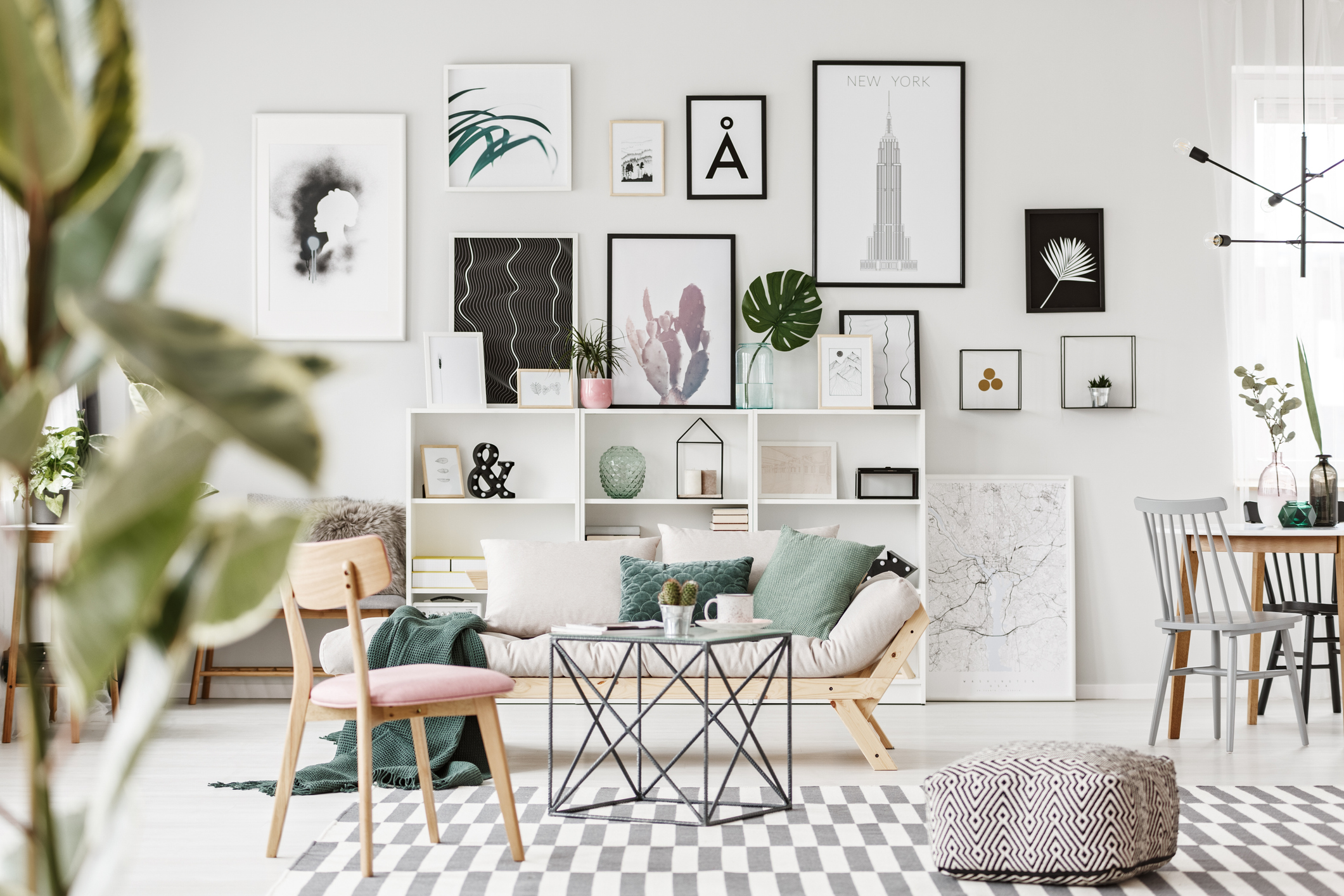
- Same frame sizes, interchangeable prints. You keep the frames on the wall and slide prints in and out.
- Picture ledges. You lean frames instead of hanging each one individually.
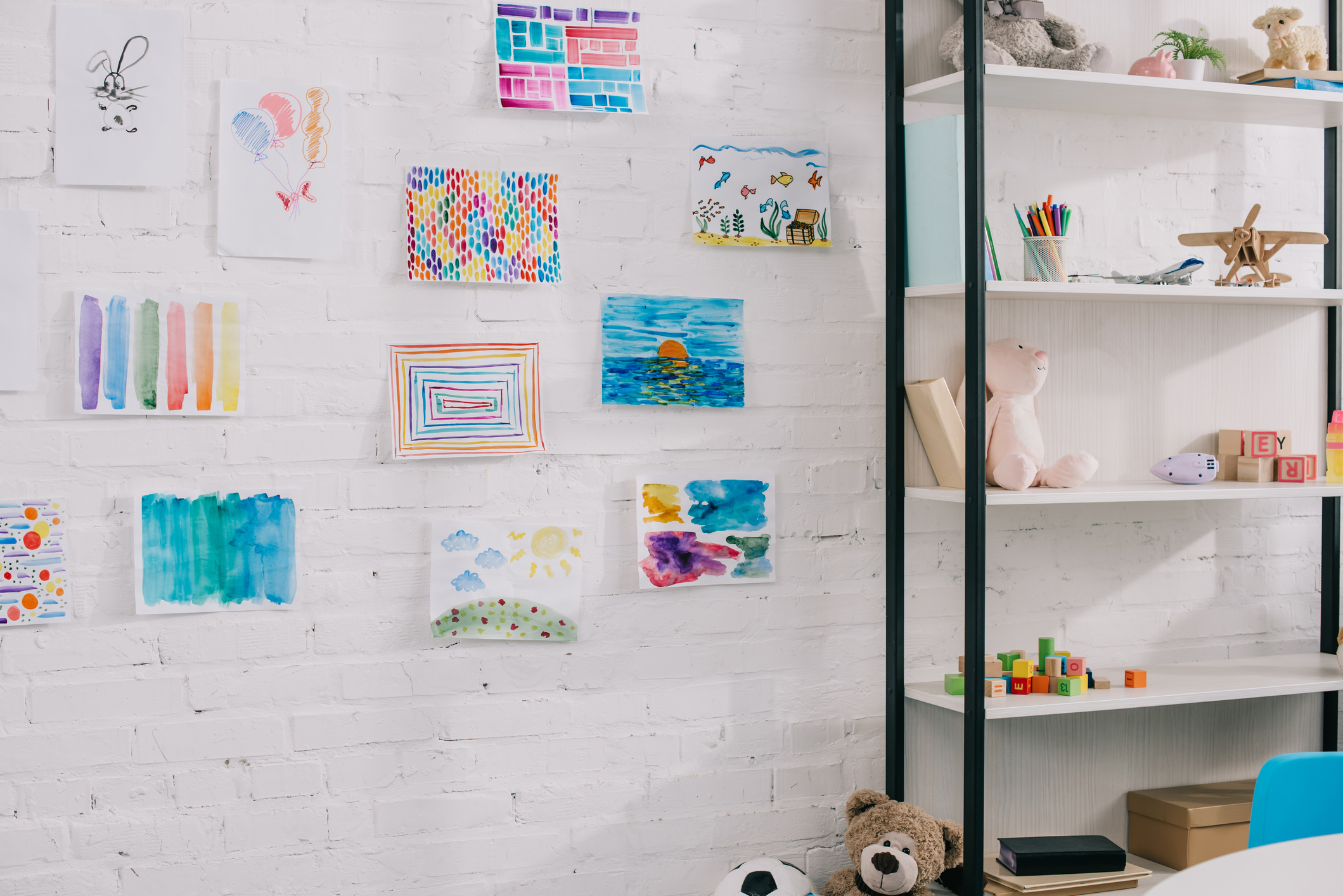
- Clip rails or poster hangers. Especially helpful for kid art or lightweight prints.
Then create a storage method that keeps the swap from becoming cluttered. The best storage is boring, hidden, and organised. Options that work well:
- A labelled portfolio folder under the bed
- A flat storage box in a closet
- Large envelope folders for prints (“Spring,” “Summer,” “Cosy neutrals,” “Family photos”)
If you want the ultimate low-effort system, choose frames that open easily and avoid fragile glass if you have little kids. Acrylic fronts are lighter and safer. If you’re using command strips, make sure the weight rating matches your frame. For anything heavy, use proper hooks and anchors so you’re not worrying about a midnight crash.
When your system is built, swaps become quick. No redesign required, just a refresh.
What to Swap By Season (and By Real Life)
Seasonal décor gets a bad reputation because it can feel like a never-ending parade of themed items. But wall art swaps aren’t about turning your home into a holiday aisle. They’re about matching your space to the season in a subtle, calming way.
Here are a few easy seasonal directions that feel grown-up and parent-friendly:
Spring.
Think airy, fresh, and light. Soft greens, florals that aren’t overly loud, minimal botanical prints, gentle watercolour landscapes.
Summer.
Bright without being chaotic. Coastal tones, travel photos, abstract shapes, sun-washed colours, playful illustrations (especially for kid zones).
Autumn.
Warmth and texture. Muted oranges, earthy neutrals, moody nature scenes, line art with warm mats, cosy photography.
Winter.
Quiet and calm. Minimal prints, soothing palettes, black-and-white photography, soft, snowy landscapes, and simple forms that feel restful.
If you want your swaps to be even more useful, rotate based on family rhythm instead of only the calendar.
- Back-to-school reset. Add calm, structured visuals where mornings are stressful (entryway, kitchen, homework zone).
- Post-holiday decompression. Replace busy or sentimental overload with clean, minimal art.
- New baby or schedule shift. Choose soothing visuals in places you’re pacing, feeding, or trying to rest.
- Hosting season. Add warmer, more welcoming art in the entry and dining area.
This is also where you can bring in pieces that feel personal rather than generic. A small set of prints from an artist you genuinely like can make swaps feel meaningful rather than performative. For example, rotating a few select pieces from Art by Maudsch alongside family photos can give your walls a consistent “signature” while still letting you change the room’s mood.
The point is not to follow trends. It’s to choose visuals that help your home feel like a supportive place, not another set of decisions.
Turn It Into a Ritual (So It Actually Happens)
A swap system is only helpful if it becomes easy to repeat. The secret is to attach it to a moment that already exists in your life.
Try tying wall art swaps to one of these:
- The first weekend of a new season
- Daylight savings (your brain already notices the shift)
- The start of a school term
- A monthly “reset day” when you change sheets and do a quick tidy
If you have kids, involving them can turn this into a calming family ritual rather than another task you do alone. The key is to make it structured, not open-ended. Give them two choices, not twenty. For example:
- “Do we put up the beach print or the forest print?”
- “Which of your drawings should go in the frame this month?”
You can even create a “gallery curator” role where one child picks the kid-zone piece, while you handle the main living area. When kids feel ownership of the space, they often treat it with more care.
To keep this budget-friendly, you don’t need a big collection of expensive art. A few smart approaches:
- Use printable art and invest in good frames
- Mix thrifted frames with consistent mats to unify the look
- Rotate personal photography (vacations, candid family moments, black-and-white portraits)
- Swap prints with a friend who also likes changing things up
The most important rule for staying calm: one in, one out. If a new piece goes up, an older one goes back into the folder. No stacking. No growing piles. The swap works because it refreshes without expanding your stuff.
Conclusion
When you’re raising kids, home is more than a backdrop. It’s where you regulate emotions, recover from long days, and build the tiny routines that keep life moving. That’s why the environment matters, especially the parts you see every day.
Wall art swaps are a simple ritual that gives you the feeling of “new” without the stress of “more.” They work because they interrupt autopilot, reduce visual clutter, and let your space evolve with the seasons and with your family’s real-life rhythms.
Start small: pick one swap zone, choose two prints that create different moods, and schedule your first swap for a moment that already exists on your calendar. Fifteen minutes later, your home will feel lighter, not because it’s perfect, but because it’s awake again.