
The Lockdown Dog: How COVID Turned My Pleasant Pup into a Paranoid Pooch
by Tricia Anne Mares
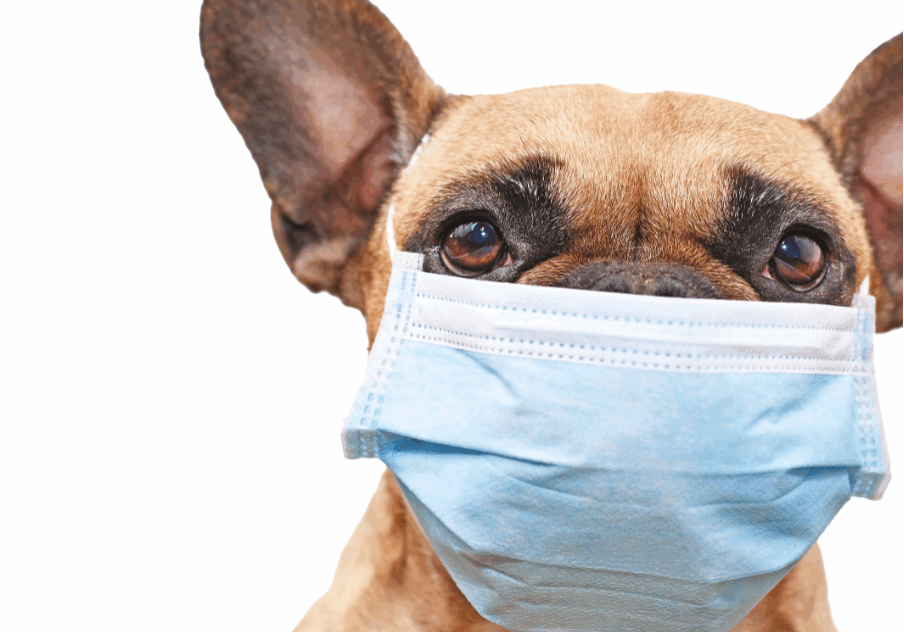
Lockdown didn’t just pause the world for our pets; it reshaped it.
I often wonder how life would have turned out if COVID-19 had not occurred. Would I still need to debrief guests before they enter my house formally? Would my dog, Nino, still need counselling every time a new visitor crosses the threshold?
When the doorbell rings, Nino doesn’t just bark; he starts a full security protocol. Patrolling the perimeter, his fur stands on end, and his senses are on high alert. Gone is the soft-natured companion that had previously snuggled up on the couch like a cuddly teddy bear. And like Jekyll and Hyde, he transforms into an unrecognisable alter ego.
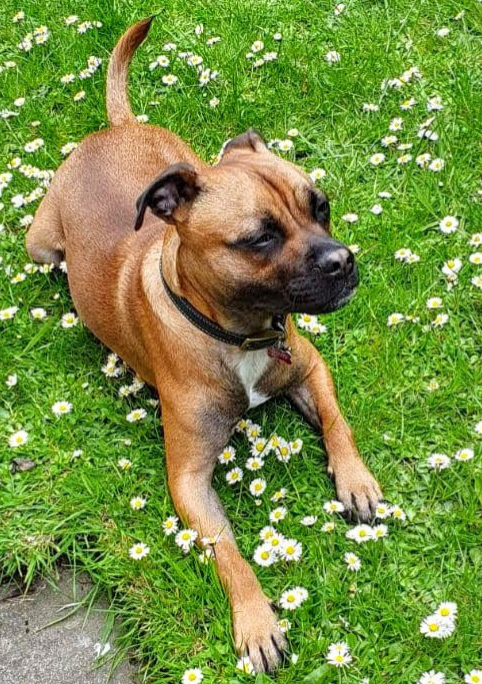
Nino
But it wasn’t always like this. Before 2020, Nino was a sociable, happy-go-lucky mixed-breed pup. He had just celebrated his first birthday when COVID-19 hit, and he was all bouncy legs and a wagging tail. He loved meeting new humans just as much as he enjoyed socialising with other well-behaved, friendly pups. Sadly, just weeks before the first national lockdown, Nino was attacked by a loose dog. The incident rattled his confidence, and he became somewhat paranoid, needing to rebuild it. But unfortunately, the world had other ideas, and everyday life came to a halt.
Like many households across the UK, we followed government regulations to the letter. Outdoor exercise was allowed, and provisions were made for pet owners to walk their dogs. However, even though we could still take our daily walks to the park, nothing was quite the same. Nino soon found that the practice of bumsniffing diplomacy within the canine world was now a thing of the past.
Social distancing guidelines halted those charming exchanges with curious passers-by: “What breed is he?”, “Can I say hello?” Instead, our walks became rule-following missions: crossing roads to avoid other walkers, steering clear of shared paths, and treating others as potential hazards. Nino, in turn, began to see every stranger as a possible threat. For well over a year, our home had seen no guests, no friends, no family. Just us and the occasional postal worker, who wisely kept their distance.
His bark, as the saying goes, sounds worse than his bite, and it’s not for the fainthearted.
Nino soon began to forget the sound of the doorbell and the comforting presence of family members bearing treats and tummy rubs. The isolation made a lasting impression. And he’s not the only one! Many dogs out there are also feeling the effects of post-lockdown anxieties. You might notice them showing traits like clinginess, reactivity, separation anxiety, and trust issues. The lockdown changed how they see the world, and for these pups, isolation became a significant part of their lives. Other animals were affected too: cats grew cranky from the sudden invasion of their solitary kingdom as owners stayed home around the clock. Parrots began mimicking Zoom meeting dialogue, and even zoo animals appeared bewildered by the absence of visitors.
That moment broke our hearts, and to this day, vet visits are still a challenge.
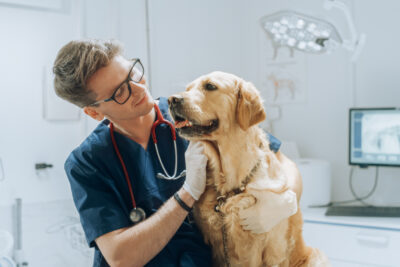
Veterinary care also changed dramatically. During peak restrictions, owners were no longer allowed inside clinics. Routine checkups and vaccinations were reduced, postponed, or changed to follow social distancing.
The Royal College of Veterinary Surgeons (RCVS) and British Veterinary Association issued guidance under lockdown legislation that limited all non-essential treatments and restricted access. Nino was handed over at the door, alone, and I’ll never forget the betrayal in his eyes, or the cries from the other side of the door.
That moment broke our hearts, and to this day, vet visits are still a challenge. We’ve tried sedation, calming techniques, and even entering through the back door to avoid the sensory overload of the waiting room. Progress is steady, but the trauma lingers. The vet assures us Nino is not on his own, as many pandemic-era pets face similar hurdles.
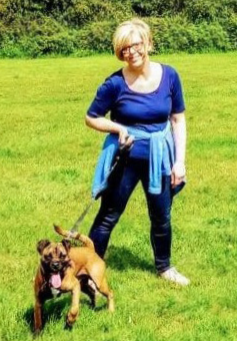
Tricia and Nino
Five years on, and Nino’s still on high alert. Welcoming someone into our home feels like a strategic operation that requires plenty of treats for bribery and heartfelt apologies to our guests. His bark, as the saying goes, sounds worse than his bite, and it’s not for the fainthearted. But he is improving.
Nino has come a long way, as have we. It’s been a challenging journey, one filled with frustrations, adjustments, and bittersweet milestones, but it’s also been rewarding. With each breakthrough, every step forward, we know we’re heading in the right direction.
So, if your dog still reacts to the doorbell as if it’s a declaration of war, you’re not alone. Many pets are still navigating the psychological aftermath of the COVID-19 pandemic.
With time, patience, and a little understanding, they can adapt—but we should acknowledge the deep impact lockdown has had on them.
Lockdown didn’t just pause the world for our pets; it reshaped it. Their routines changed, their worlds shrank, and the quiet became their new normal. Maybe Nino’s not a paranoid pooch after all. Maybe he’s just a dog who’s prepared for every possibility, so, whether that’s another pandemic or a full-scale squirrel uprising, he’ll be ready for it.
NorthernLife Dec/Jan/Feb 26