
The Role of Isopods in Soil Health and Decomposition
by Northern Life
Table of Contents
- Detritivores: The Earth’s Unsung Recyclers
- Physical Fragmentation: The Crucial First Step
- Beyond Decomposition: Contributions to Soil Health
- The Role of Isopods in Managed Ecosystems
- Isopods and Nutrient Cycling: The Fertiliser Factory
- Isopods in Pest Control: Natural Defence
- The Importance of Biodiversity in Isopod Selection
- Frequently Asked Questions (FAQ)
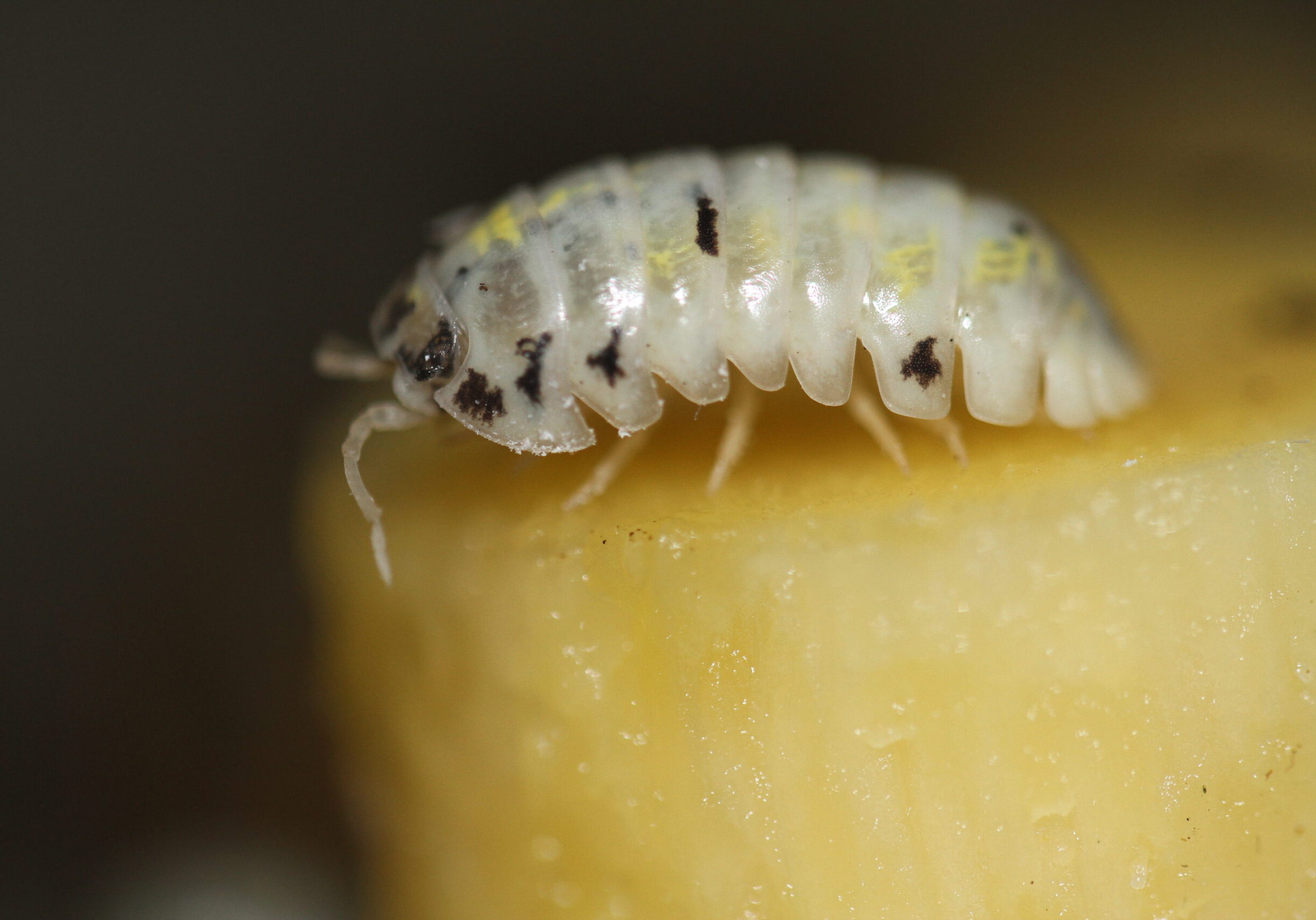
People often overlook isopods, also known as pill bugs or woodlice, but they play an essential role in natural ecosystems. This group of terrestrial crustaceans, which are more closely related to shrimp and crabs than insects, they are commonly found in garden soil and on forest floors. They serve as nature’s cleanup crew, helping to keep soil healthy by recycling nutrients and stabilising the environment through the rapid breakdown of dead organic matter. Understanding how these simple detritivores function reveals why they are indispensable for maintaining environmental health.
Detritivores: The Earth’s Unsung Recyclers
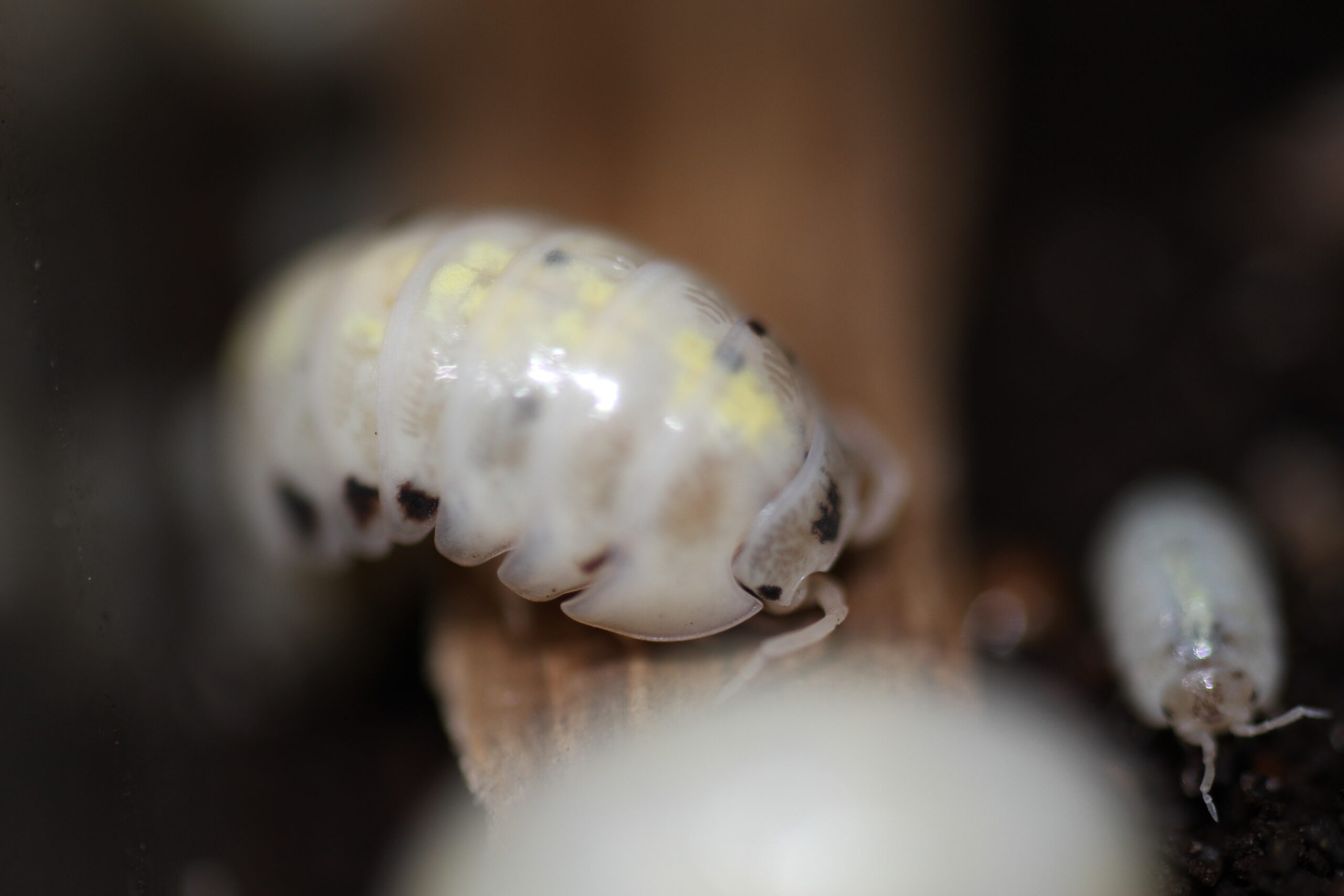
As primary detritivores, isopods are highly effective at consuming dead plant material like leaves, wood, and other organic waste. This simple action is a crucial first step in the decomposition process. Without animals like isopods, dead leaves and wood would accumulate to form thick layers that would lock up nutrients and prevent new plants from growing. Isopods consume this material and break it down into smaller pieces, creating more surface area for microscopic decomposers like bacteria and fungi to work on. This accelerates the entire nutrient cycle. In the world of vivariums and bioactive setups, these essential roles are often performed by specialised species, like Magic Potion isopods. PostPods offers a wide variety of such species that can thrive in many different environments, ensuring healthy and balanced enclosures.
Key Benefits:
- Physical Fragmentation: Isopods break down large pieces of organic matter into smaller, more manageable pieces.
- Improved Nutrient Availability: Their waste, called frass, is rich in nutrients and is easily absorbed by plants.
- Soil Aeration: When they burrow, they create channels in the soil that allow better air and water penetration.
Beyond Decomposition: Contributions to Soil Health
Isopods are beneficial for more than just breaking down dead matter. Their activity directly improves soil structure and fertility. As they move through the substrate, they create small tunnels and spaces that help the soil breathe. This improved aeration is essential for plant roots and beneficial bacteria that aid in decomposition. Another valuable product they create is frass. Acting as a natural fertiliser, it adds nutrients to the soil that plants can easily absorb, promoting stronger and healthier growth. PostPods understands this mutually beneficial relationship and provides cultures that are ready to enhance your substrate. A thriving colony of isopods is a clear indicator of a healthy, well-functioning soil environment.
The Role of Isopods in Managed Ecosystems
Isopods are a significant component of bioactive systems in controlled environments such as vivariums, terrariums, and even gardens. By preventing waste accumulation and inhibiting the growth of harmful bacteria and mould, they provide a natural cleaning service. This makes the environment self-sustaining and reduces the need for manual cleaning. For this reason, they are a popular choice for both hobbyists and professionals who want to replicate natural processes. PostPods specialises in these cultures and sells high-quality colonies that are established and guaranteed to thrive. When you choose PostPods, you’re not just getting a pet—you’re investing in the health of your entire ecosystem.
Isopods and Nutrient Cycling: The Fertiliser Factory
Perhaps the greatest contribution isopods make to soil health is the nutrient-rich waste they produce, called frass. As isopods decompose wood and plant matter, they process and concentrate essential minerals, releasing them in a form that plants can easily absorb. This frass acts as an ideal slow-release fertiliser, containing numerous beneficial compounds that increase soil fertility and encourage strong root growth and overall plant health. This efficient cycling process is essential because it ensures that nutrients are quickly returned to the soil instead of remaining locked in dead organic material. The entire forest floor—and consequently, your garden or bioactive enclosure—is powered by this rapid return of nutrients. A robust isopod population indicates a quick and effective closed-loop nutrient system in operation.
Isopods in Pest Control: Natural Defence
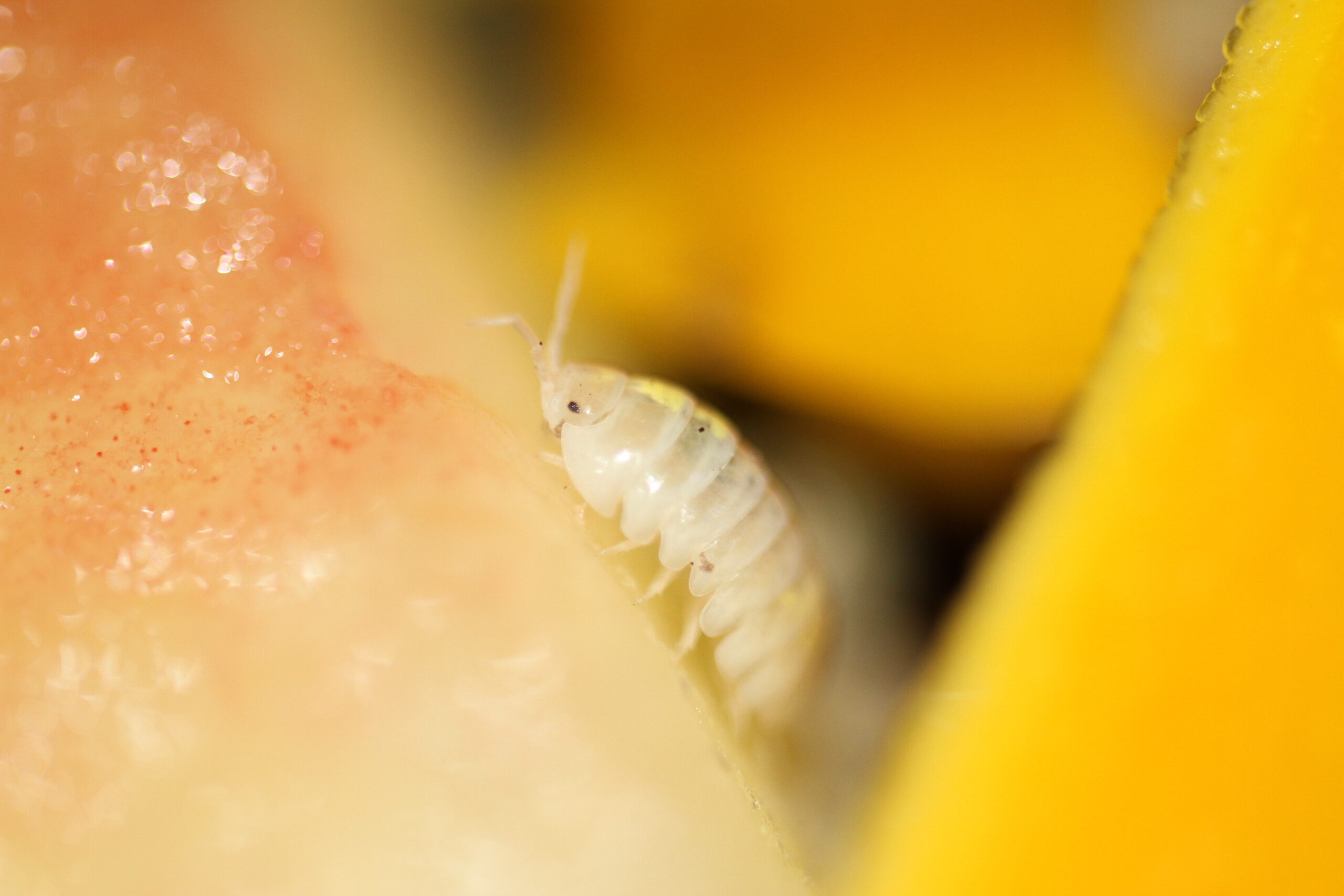
In controlled environments, particular isopod species can be surprisingly effective in managing pests, in addition to their role as decomposers. They frequently consume mould, fungi, and—most importantly—waste produced by other inhabitants, including the droppings of amphibians or reptiles. While most species focus on detritus, some will also feed on soft-bodied pests such as fungus gnat larvae or dead insects, providing additional pest management benefits. Their consistent grazing of detritus also helps to outcompete and inhibit the growth of harmful mites and other micro-pests that thrive in wet, decaying habitats. By maintaining a clean substrate, isopods significantly reduce the conditions required for pest outbreaks, minimising the need for chemical interventions. This natural, non-toxic defence mechanism makes them essential in bioactive terrariums, improving the microclimate for all occupants.
The Importance of Biodiversity in Isopod Selection
The concept of biodiversity is vital when considering the use of isopods, especially in settings like vivariums. Different species of isopods, such as the colourful Porcellio or the humidity-loving Cubaris, have varying tolerances for temperature and humidity as well as distinct feeding habits. A diverse population, rather than a monoculture, ensures the effective breakdown of all types of organic materials. For example, some isopods prefer softer leaf litter, while others are better at decomposing hardwood. By stocking a variety of isopods—sometimes referred to as a “clean-up crew” (CUC)—you can ensure thorough decomposition and an improved environment. PostPods places strong emphasis on this by providing comprehensive care instructions and specialised starter cultures that can be tailored to specific environmental requirements, ensuring that the selected species will thrive and effectively perform their crucial recycling duties in your particular setup.
Frequently Asked Questions (FAQ)
Q1: Do pill bugs pose a threat to living plants?
A1: Not typically. Detritus, or decomposing organic debris, is the primary food source for healthy isopods. Although they rarely target vigorous, established plants, they may nibble on very soft or dying plant material if other food sources, such as leaf litter and wood, are scarce.
Q2: What distinguishes an isopod from an insect?
A2: Isopods are crustaceans (like shrimp or crabs) and members of the subphylum Crustacea, not insects. They have seven pairs of legs (insects have three) and breathe through gills, requiring a moist, humid environment.
Q3: How quickly do isopods reproduce?
A3: Species and environmental factors (temperature and food availability) have a substantial impact on reproduction rates. Some species like Porcellio scaber reproduce quickly, while many Cubaris species reproduce more slowly. A thriving colony will establish a stable population depending on available resources.
Q4: Do isopods help prevent soil compaction?
A4: Yes, they do. Micro-tunnels and channels are formed as isopods burrow and move through the substrate and soil. This activity physically loosens the soil, greatly improving drainage and aeration while reducing compaction.
Q5: What is “frass” and what are its benefits?
A5: Frass refers to isopod waste. It is highly beneficial because it is rich in essential nutrients (such as phosphorus and nitrogen) that the isopods have concentrated and digested. This acts as a natural, balanced fertiliser, making nutrients readily available for plant absorption.
Conclusion
Isopods, from common pill bugs to beautiful species like Magic Potion isopods, are an essential component of healthy ecosystems. They ensure that organic matter is converted back into nutrients that plants can utilise. They create vibrant, life-sustaining environments by breaking down waste, aerating soil, and cycling nutrients. Their success in both natural and managed settings demonstrates the value of these natural workers. You can count on PostPods to provide superior cultures tailored to your specific needs, supporting a thriving ecosystem for years to come.