

10 Simple Family Routines That Secretly Build Lifelong Safety Habits
by Northern Life
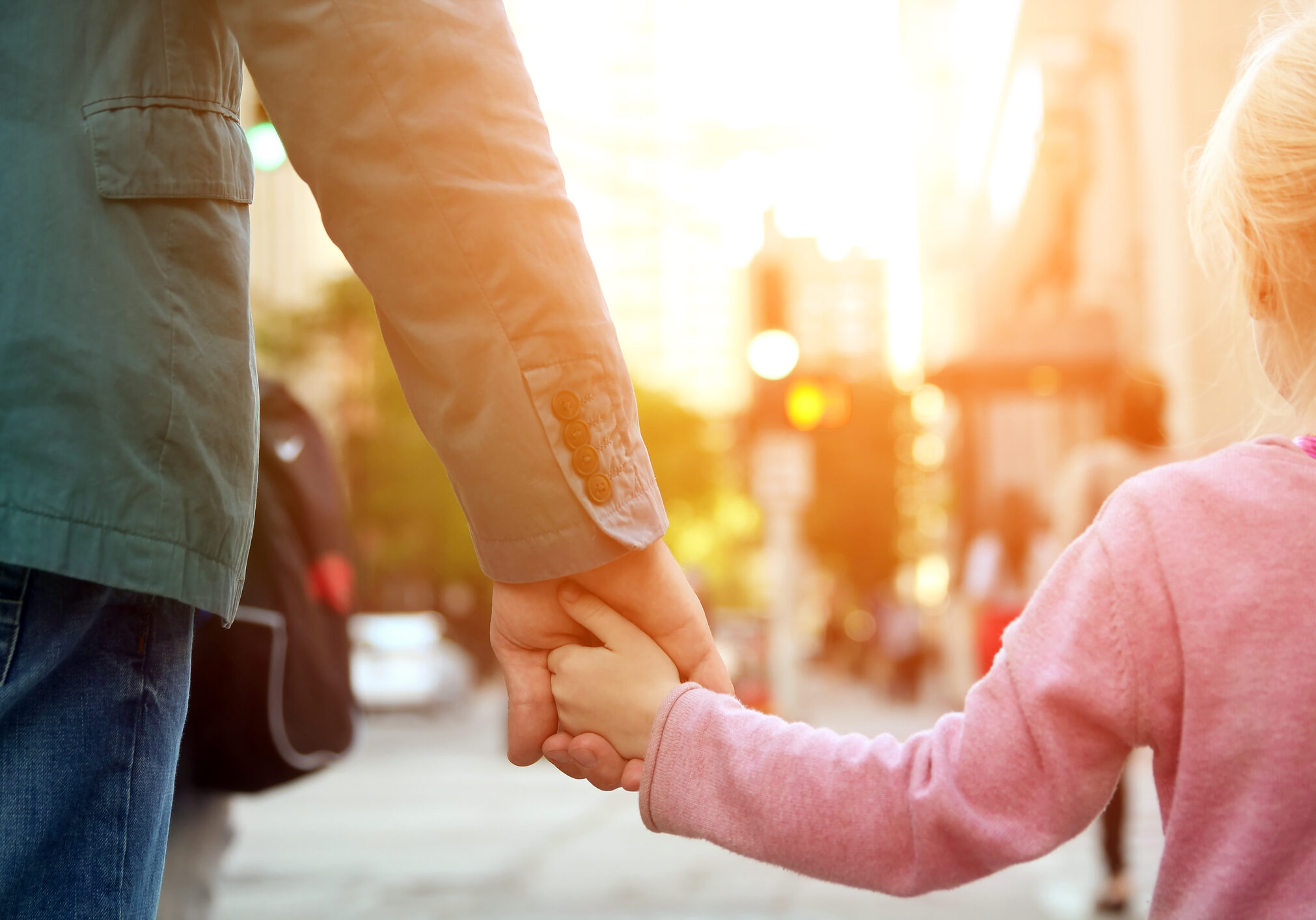
Family safety grows from habits that families repeat every single day. Small routines shape how children and adults respond when risks appear.
Everyday actions, such as checking locks, planning routes, and discussing schedules, quietly build a strong foundation of protection. Over time, these actions become automatic responses that enhance security with minimal effort.
Families that create consistent routines raise children who treat safety as second nature. These routines become lifelong habits that protect at home, on the road, and in unexpected emergencies.
What Simple Family Routines Secretly Build Lifelong Safety Habits?
1. Morning Exit Checks Before Leaving Home
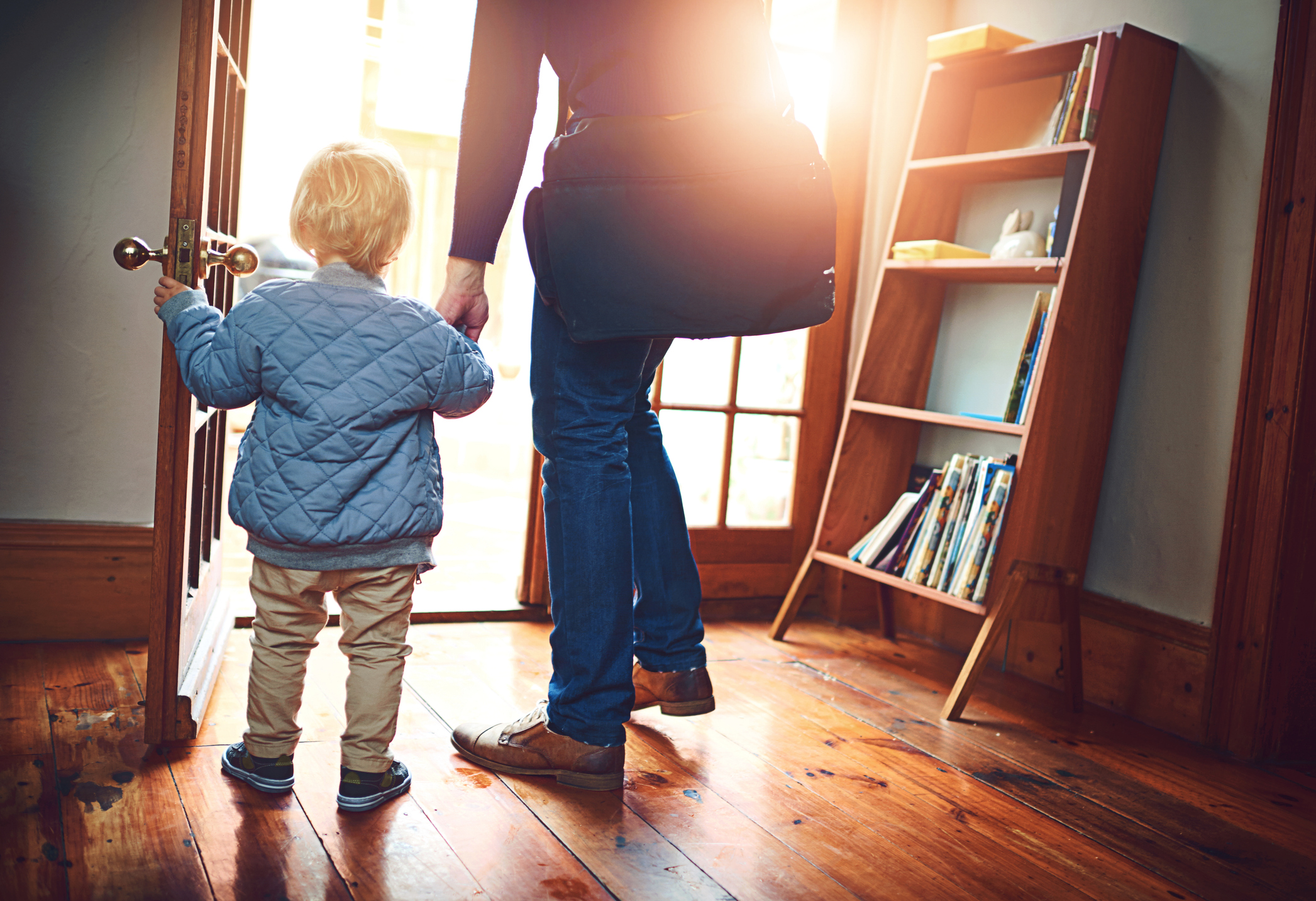
Ready for their outing together
Before rushing out the door, take one minute for a quick exit check. Make sure the doors are locked, the windows are closed, and the appliances are turned off.
It may seem insignificant, but this step prevents accidents, break-ins, and fire hazards. Even kids can help by checking their own rooms before heading out.
Over time, the habit teaches children to pay attention to their surroundings. Parents leave home calmer, knowing nothing has been left behind unsecured.
2. Shared Meal Conversations on Daily Plans
Mealtimes aren’t just about food—they’re perfect for quick safety check-ins. A simple “Where are you headed today?” or “What time will you be back?” keeps everyone on the same page.
Knowing each other’s plans creates accountability and eases worry. If someone runs late, the family immediately knows where to start looking.
Kids also learn time management by saying out loud when they expect to be home. Parents benefit from smoother communication without hovering.
3. Regular Fire Drill Practices at Home
Fire drills don’t have to be scary. Pick an evening twice a year, sound the alarm, and practice how to exit quickly.
Show kids which exits to use and where to meet outside. A mailbox, a neighbour’s driveway, or a big tree makes a great landmark.
The more often a family practices, the less likely panic will take over in a real fire. When muscle memory kicks in, precious seconds are saved.
4. Weekly First-Aid Refreshers
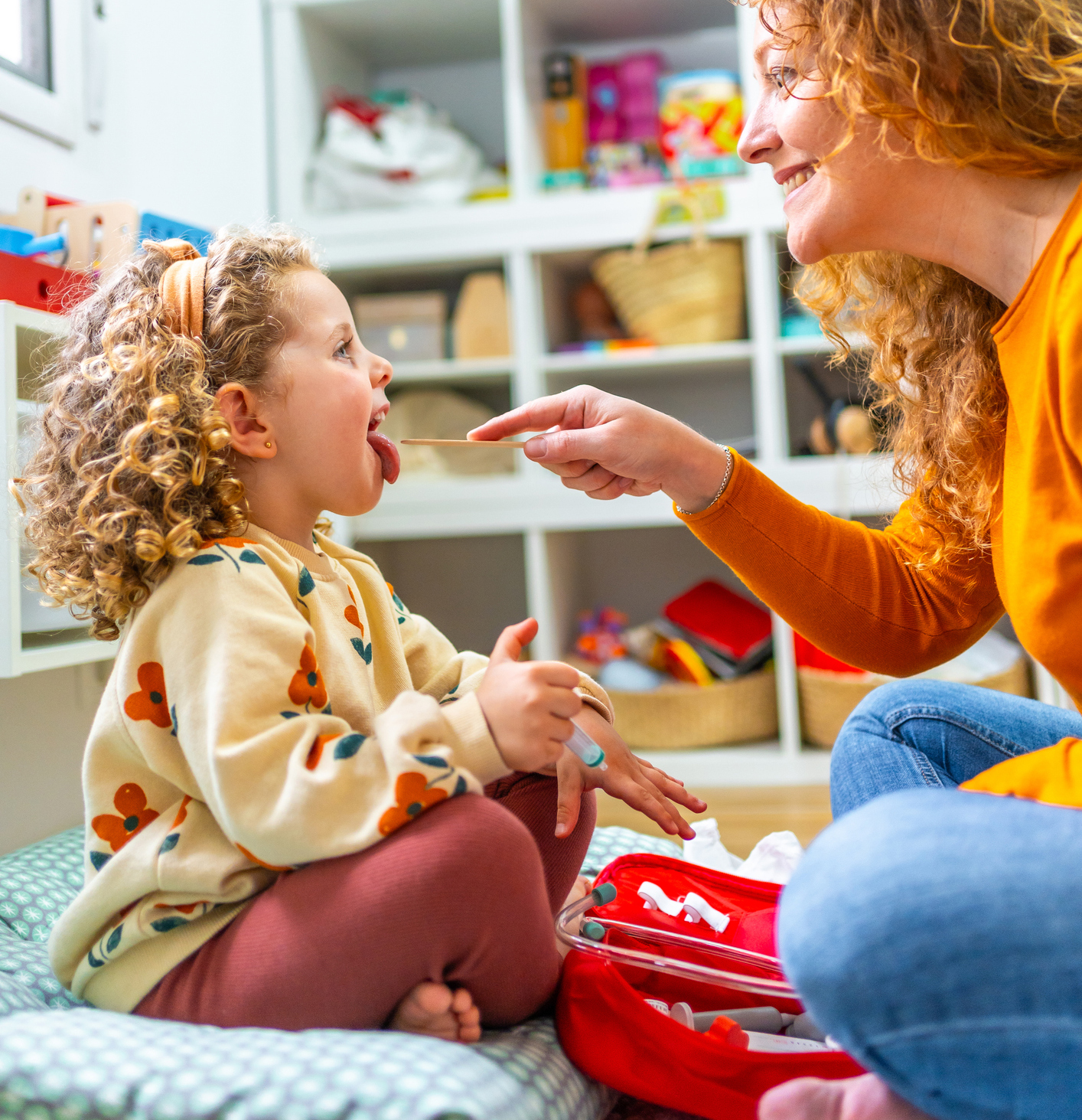
First aid is one of those skills you hope never to need, but it makes all the difference in an emergency. Spend just ten minutes a week practising something simple—how to stop bleeding, use an inhaler, or apply a bandage.
Parents can demonstrate while kids watch and try it out. The repetition builds confidence, so nobody freezes in a real crisis.
Everyone should also know precisely where the first aid kit is located, when every second counts; that knowledge prevents chaos.
5. Consistent Bedtime Security Routine
Before the house goes quiet for the night, make security part of the bedtime routine. Lock the doors, check the windows, and set alarms or cameras.
Kids see that safety isn’t just about daylight hours—it matters at night too. The process takes only a minute but brings peace of mind.
Over time, this habit becomes second nature. Children raised with these routines often carry them into their own homes later in life.
A quick “I’m here” text or short call takes seconds but relieves hours of worry.
6. Structured Digital Check-Ins
When family members are out late, a simple check-in makes a big difference. A quick “I’m here” text or short call takes seconds but relieves hours of worry.
Kids learn independence while proving they’re responsible. Parents, in turn, show trust instead of hovering.
This habit becomes especially valuable when plans change. Everyone adjusts faster because communication is already built into the day.
7. Monthly Emergency Kit Inspections
An emergency kit is only helpful if it’s ready when you need it. Once a month, gather the family to check flashlights, batteries, food, water, and medicine.
Make it a team effort—kids can read expiration dates while parents check supplies. It turns preparedness into a shared responsibility.
That way, when storms hit or power goes out, there’s no panic. Everyone knows the kit is stocked and ready to go.
8. Daily Safe Walking and Driving Habits
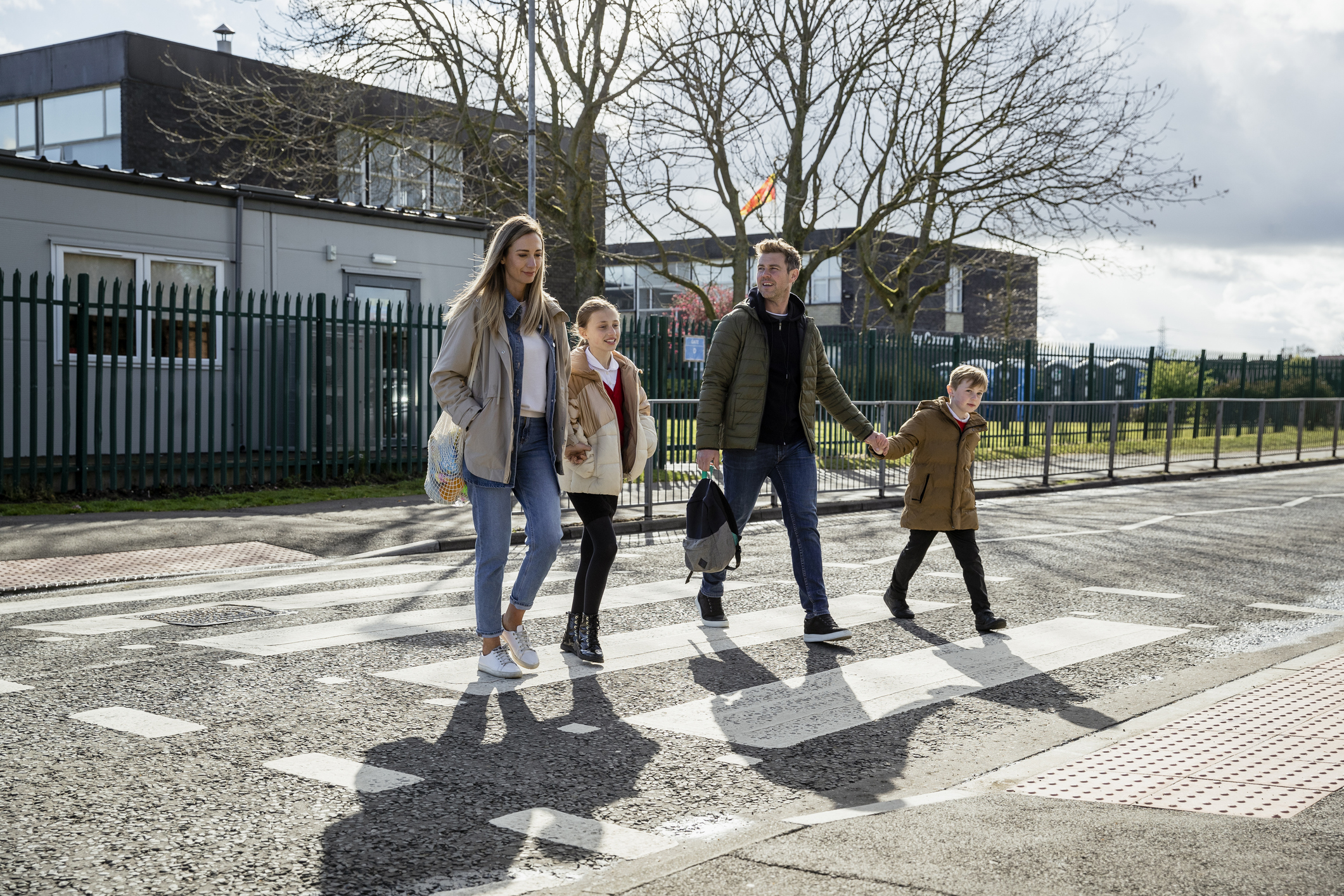
The best lessons kids learn about safety often come from watching parents. Wearing a seatbelt, waiting at a crosswalk, and driving at safe speeds send strong messages without a word.
These habits reduce risks long before an accident can happen. Consistency shows children that safety rules exist to protect, not restrict.
Parents who model careful behaviour raise future drivers and pedestrians who do the same. It’s a habit that quietly carries into the next generation.
9. Seasonal Home Safety Reviews
Every season brings new safety challenges. Summer heat, winter frost, and heavy rain all demand different precautions.
In summer, check the air conditioning and keep extra water handy. In winter, ensure heaters are safe and insulation is intact.
During rainy months, clear drains and store items to prevent water damage. Addressing these issues early avoids accidents later.
GPS trackers become a trusted partner that supports both safety and independence.
10. GPS Trackers for Everyday Family Safety

GPS trackers are one of the most effective safety tools families can add to their daily lives. They provide real-time updates so parents know where kids are during school runs, activities, or visits with friends.
Many trackers come with geofencing alerts that buzz when someone leaves a set area. That quick ping helps families respond immediately if something goes wrong.
Elderly relatives or family members with special needs also benefit from the extra layer of monitoring. Over time, GPS trackers become a trusted partner that supports both safety and independence.
Why These Family Routines Build Lifelong Safety Habits
- Simplicity builds consistency: small routines are easy to repeat daily, which makes them stick over time.
- Home safety becomes automatic: morning checks and bedtime routines keep the house secure without extra effort.
- Communication grows stronger: mealtime conversations, digital check-ins, and portable GPS tracker ensure everyone stays connected and accountable.
- Preparedness reduces panic: fire drills, first-aid refreshers, and kit inspections teach families to act calmly in emergencies.
- Seasonal awareness prevents risks: adjusting routines for summer, winter, or rainy seasons keeps the household ready year-round.
- Role modeling shapes behavior: kids copy safe walking and driving habits they see parents practice every day.
- Lifelong habits are formed early: children raised with these routines naturally carry them into adulthood.
Conclusion
Family safety grows from simple routines repeated each day. These habits create a culture of awareness and responsibility within the household.
Children see safety as a natural part of life when families practice it together. Daily actions eventually turn into instincts that last a lifetime.
The strength of these routines lies in their permanence. From morning checks through GPS trackers, families carry these habits wherever life takes them.