
When Should You Use Barriers for Site Safety vs. Public Protection?
by Northern Life
Modern architecture, infrastructure, and event management require barriers. They establish a border to protect people, machinery, and workplaces. Thoughtful planning includes knowing whether to use barriers for site safety or public protection. Concrete blocks are ideal for both circumstances due to their durability and solidity. Concrete blocks are manufactured.
Understanding Website Security Challenges
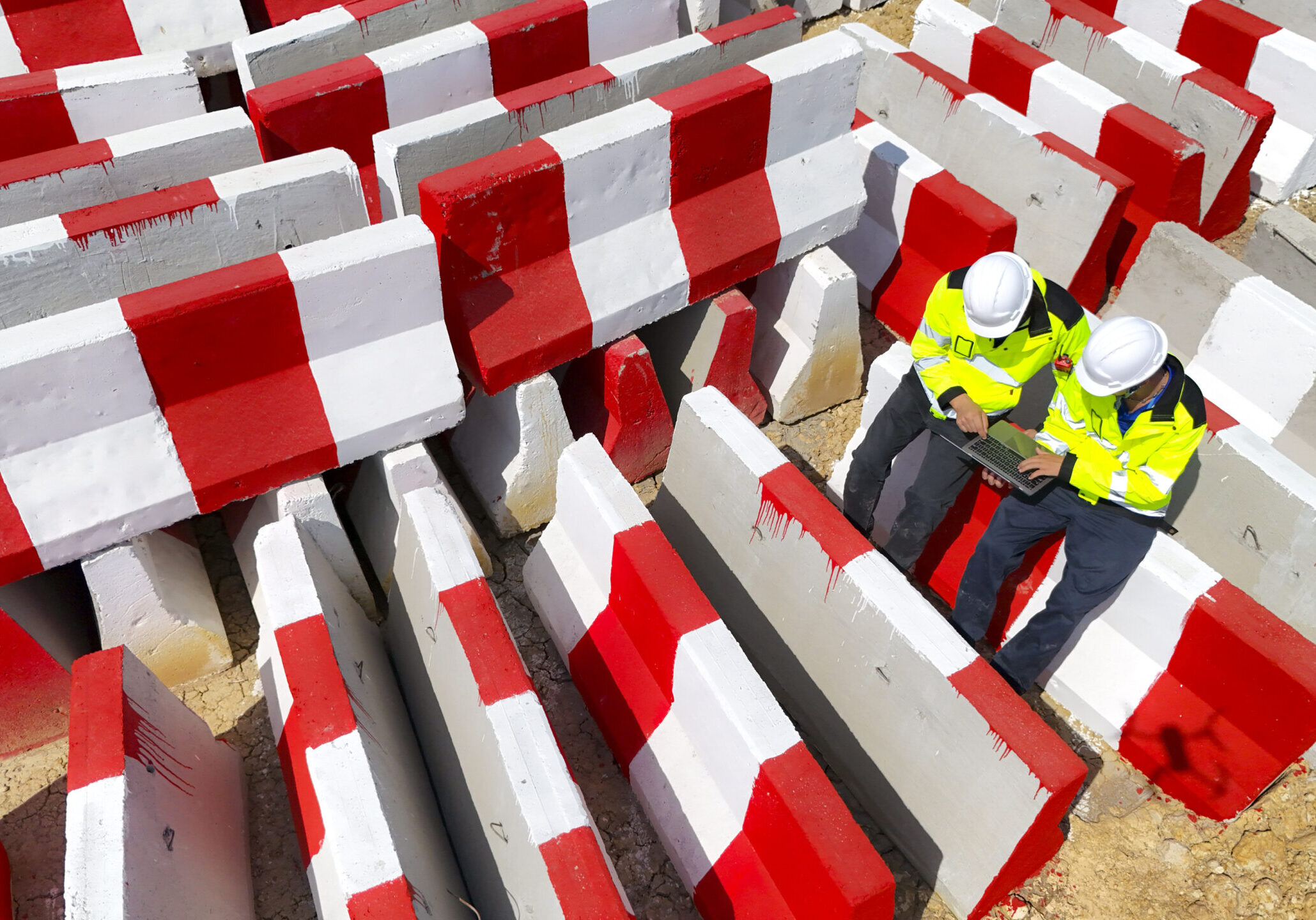
Concrete blocks are used as site safety barriers to safeguard workers. Their assistance can help avert work zone mishaps caused by heavy machines, falling debris, and material movement. Heavy equipment is worse than trash. These barriers provide a controlled atmosphere that allows personnel to operate without interruption from outsiders or traffic. This environment results from these barriers. Site safety barriers serve as a primary defence against occupational hazards. This scenario applies to construction, industrial, and maintenance projects.
In Cases Where Public Safety Comes First

However, public safety barriers shield pedestrians, automobiles, and neighbourhood residents from construction hazards. In metropolitan regions, where building sites are often near walkways, roads, or public events, this is crucial. Such measures cannot be ignored. To prevent people from entering dangerous locations and to deter inadvertent entry, public protection barriers must be installed. They also help manage crowd flow during events and emergencies to keep the public safe and ensure that emergency services remain accessible.
Choosing the Right Challenge for Each Role
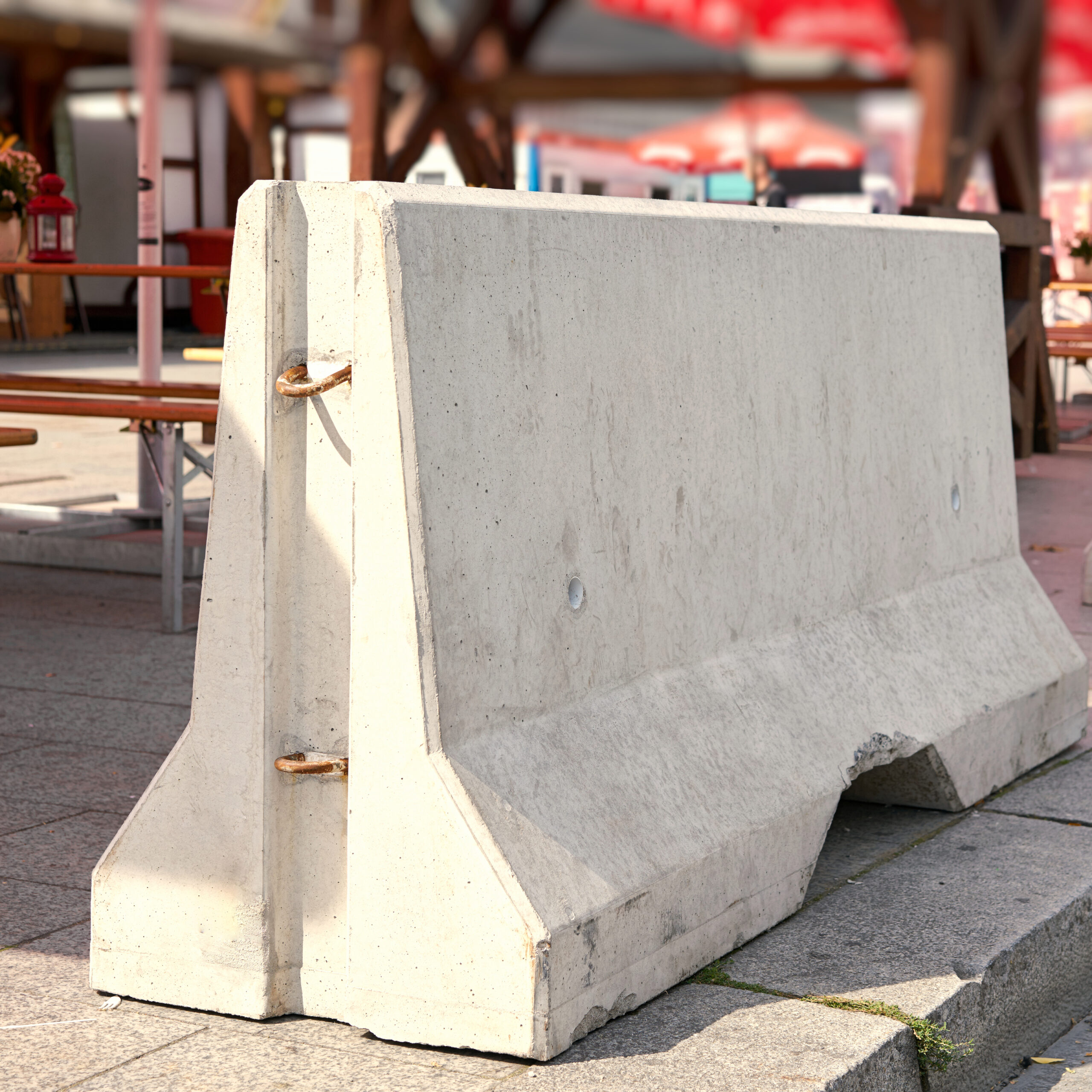
To choose the right barrier, consider the risk, location, and activity. To ensure location safety, barriers must be strong enough to withstand the impact of falling objects and machinery. Visibility and clear direction are often as vital as physical power in protecting the public. Concrete blocks are resistant to weather, can be stacked in various ways, and are sturdy enough to remain in place under pressure. These are some concrete block benefits. It may be required to use multiple barriers to safeguard workers and the public.
Practical Examples of Each Application to Consider
Safety barriers can be placed around excavation sites during a major road-building project to protect workers from machinery or cars approaching from behind. This protects workers from risks. Public safety barriers along pedestrian pathways could be installed during this time to ensure the safety of site visitors. Site safety barriers can be used to provide safe zones for personnel management and equipment storage backstage at major public events. In contrast, public protection barriers manage crowd flow and prohibit participants from entering restricted areas throughout the event. The examples shown here demonstrate how the purpose of each barrier dictates its placement and design.
For Proper Equilibrium
Site safety and public protection overlap in many projects. Thus, careful preparation is necessary to meet both needs. Obstacles may need to be placed to fulfil both roles. It may also require distinct barriers for each position that complement each other. By considering accessibility, visibility, and influence, the most effective layout can be chosen.
Making the Right Choice for Safety and Efficiency
Not every case warrants barrier building. To conduct projects efficiently, limit hazards, and keep people safe, you must determine when site safety should take precedence over public protection. Such consideration is crucial for safety. Concrete blocks remain reliable for these reasons. They possess the right blend of strength, stability, and adaptability to address various safety concerns. Project managers can choose the right barriers to create environments that protect workers, direct the public, and ensure efficient operations from start to finish.