

Ways to Make Your Home Work for You as You Age
by Northern Life
You don’t need to redesign your whole house to stay in it comfortably.
Getting older doesn’t have to mean giving up the home you love. In fact, more and more people across the North are choosing to stay put and make smart, practical changes to their homes rather than moving to an unfamiliar location.
Simple updates can enhance comfort, improve safety, and provide you with greater peace of mind as the years pass. Many of these changes are affordable, easy to arrange, and can make a big difference in daily life.
Here are some practical ideas to help you stay independent, stay safe, and keep living where you feel most at home.
✅ Make Movement Easier Around the Home
One of the first things to think about is how easily you can get from one place to another in your house. This may involve removing trip hazards, improving lighting, or reevaluating the layout of your rooms.
- Declutter walkways and remove loose rugs or furniture that block paths
- Use brighter lighting in hallways, stairwells, and entrances to prevent falls
- Rearrange furniture to create wider, more open routes — especially if using walking aids
✅ Install a Stairlift if Stairs Become a Challenge
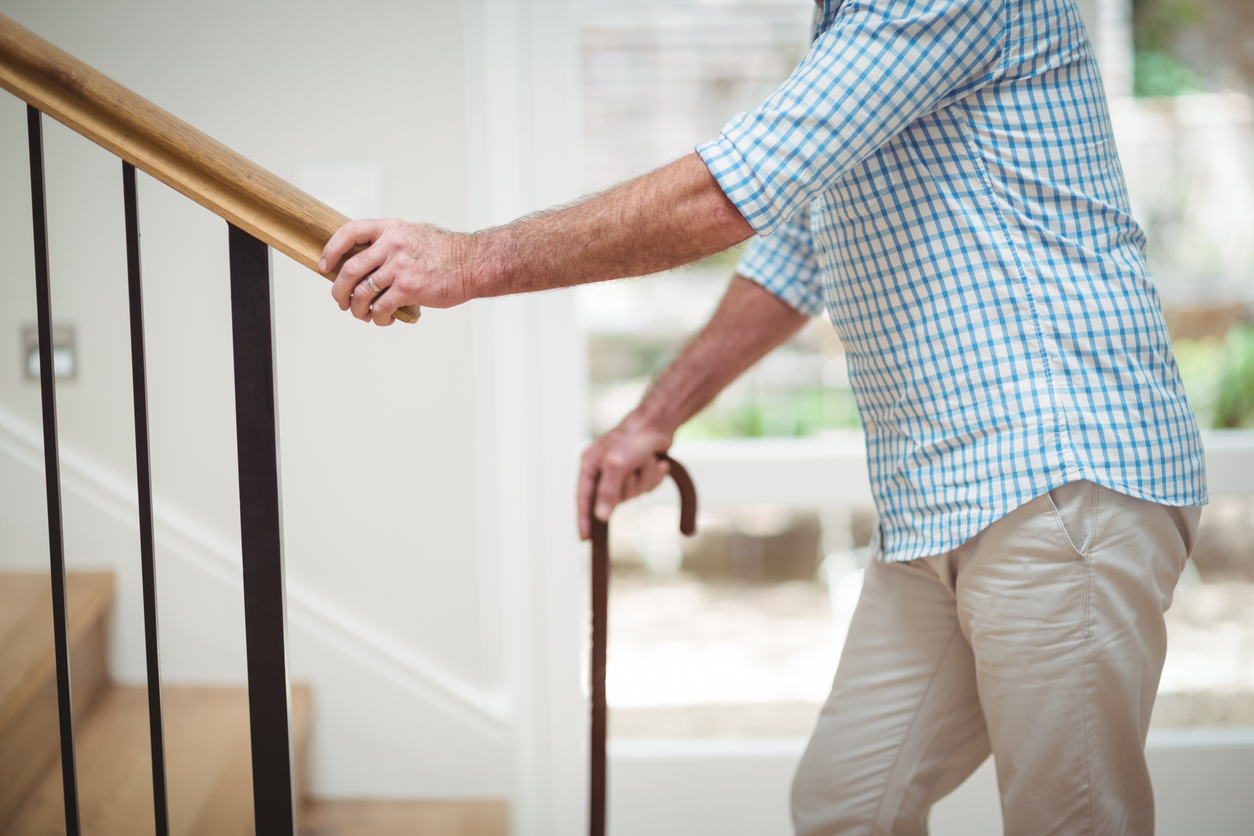
Stairs can quickly become a barrier to staying in your home, especially if mobility becomes limited. But there’s a practical solution that doesn’t involve moving house or converting the downstairs into a bedroom.
Stairlifts are now more affordable, modern, and reliable than ever, and if you’re in the Merseyside area, it’s worth checking out Stairlifts Liverpool for local, friendly stairlift service and installation tailored to your home.
You don’t need to redesign your whole house to stay in it comfortably. A stairlift enables you to safely use both floors of your home without strain or risk of falls.
✅ Make Bathrooms Safer and More Comfortable
Bathrooms can be one of the most hazardous rooms in the house as we age. Slippery floors, low toilets, and hard-to-reach tubs can all become problems over time.
Consider these helpful updates:
- Grab rails near places that could be hazardous (e.g. bathroom)
- Walk-in showers or wet rooms instead of a high-sided bath
- Non-slip mats and flooring for added grip
- Comfort-height toilets that are easier to use
✅ Improve Heating and Insulation
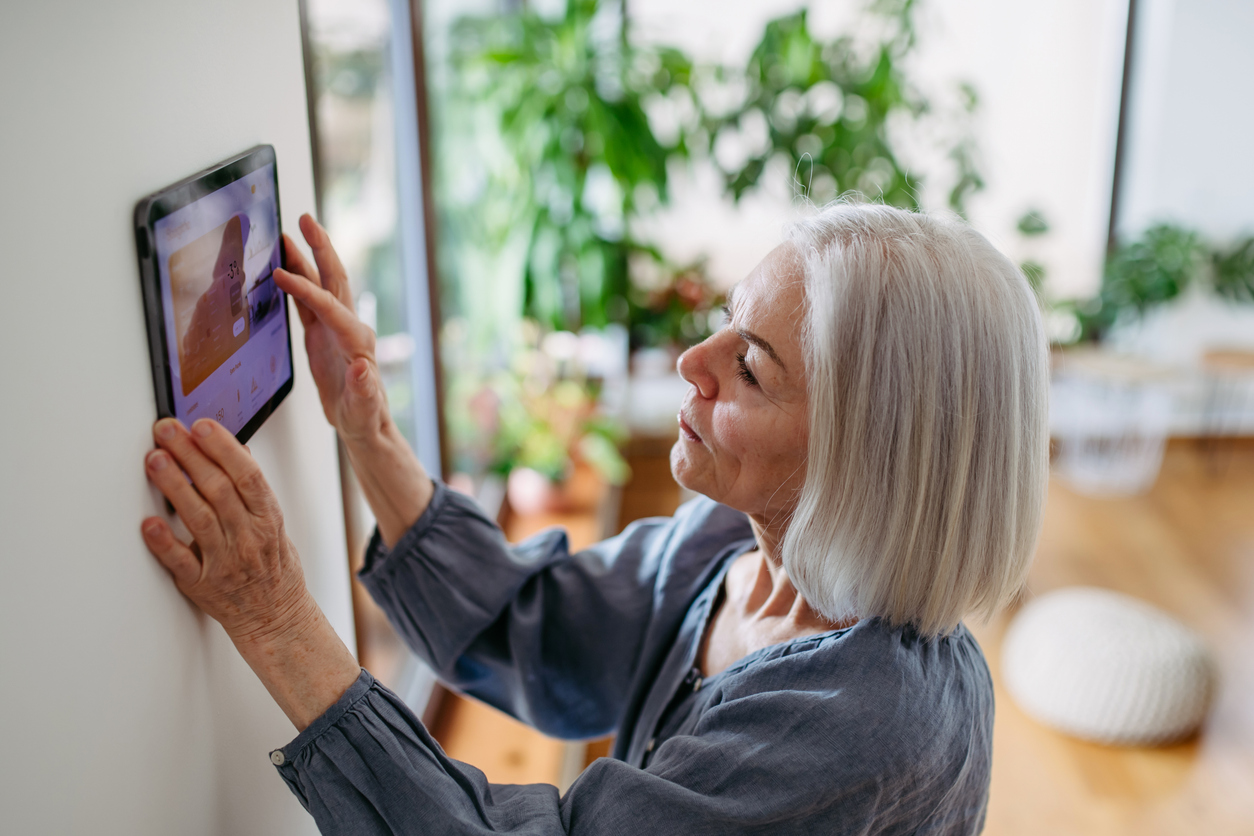
Having a warm home is a health essential, yet it’s often only viewed as a home comfort. Elderly people are often more vulnerable to the cold, making it even more crucial to keep the house warm and energy-efficient.
To improve your home heating, you can:
- Upgrade insulation in the loft or walls if needed
- Bleed your radiators and consider a boiler service if it’s been a while
- Use draft excluders around doors and windows
- Smart thermostats can help keep temperatures stable and cut costs
- Check if you’re eligible for any council grants or schemes
✅ Bring Key Facilities Downstairs
Even if you have no trouble with stairs now, it’s smart to think ahead. Some people choose to bring key facilities like a toilet or utility area to the ground floor. Others repurpose a room downstairs into a future bedroom.
This kind of planning gives you more flexibility and means you’ll be ready for whatever comes next without major disruption later on.
✅ Keep Emergency Contacts and Devices Handy
Making physical changes to your home can positively impact your home safety, but there are other measures to add to this feeling, too. To improve how safe you feel at home, consider:
- Keeping a charged mobile phone nearby, especially at night
- Using a personal alarm system if you live alone
- Storing a written list of emergency contacts by the phone
- Making sure neighbours or family have a spare key in case of emergency
- Installing smart technologies like fall detectors and motion-sensor lights
✅ Ask for Help if You Need It

Sometimes the best way to make your home work for you is to get support, whether that’s from family, friends, or local services.
You don’t have to do everything on your own – so don’t! Many local authorities offer support, including health and home assessments, where a professional can visit your home and recommend the most helpful improvements tailored to your needs.
It may not feel comfortable asking for help at first, but it could significantly improve your quality of life.
Age Without Worry
Staying in the home you love is not only possible, but it’s achievable, and support is available. With a few smart adjustments, some local support, and a bit of forward thinking, you can make your space work for you both now and in the years ahead.
This might include adding a stairlift, making your bathroom safer, or simply improving the lighting. These updates don’t have to be complex or expensive, and they can make a big difference to your comfort and confidence. And the best part? You don’t have to do it alone.