


The Cultural Legacy of Snooker in Northern England
by Northern Life
Let's go down memory lane to trace snooker's historical roots
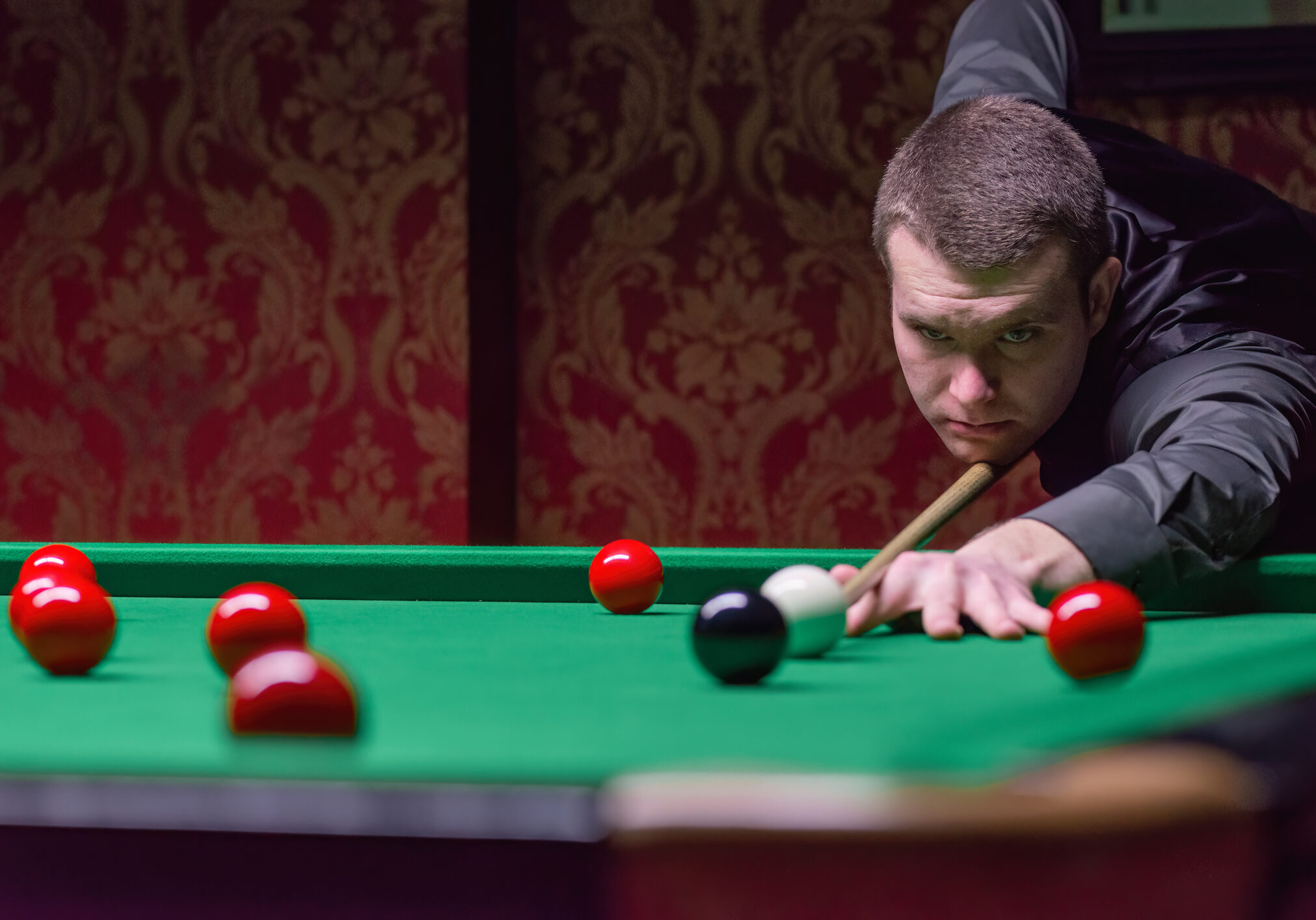
Do you wonder where Snooker originates from when you explore the latest snooker odds for a winning chance? Here’s the layout of the basics that you should know as a fan of this game. Snooker is a sport of precision, patience, and quiet intensity. Its roots stretch across the UK, particularly Northern England, which has been an especially fertile ground for nurturing the sport. This region’s working-class traditions, tight-knit communities and industrial history have all played significant roles in shaping the cultural legacy of snooker.
In Northern England, it reflects social changes, class dynamics, and regional pride. Let’s take a trip down memory lane to trace its historical roots and its communal presence to date.
From Billiard Halls to Social Clubs
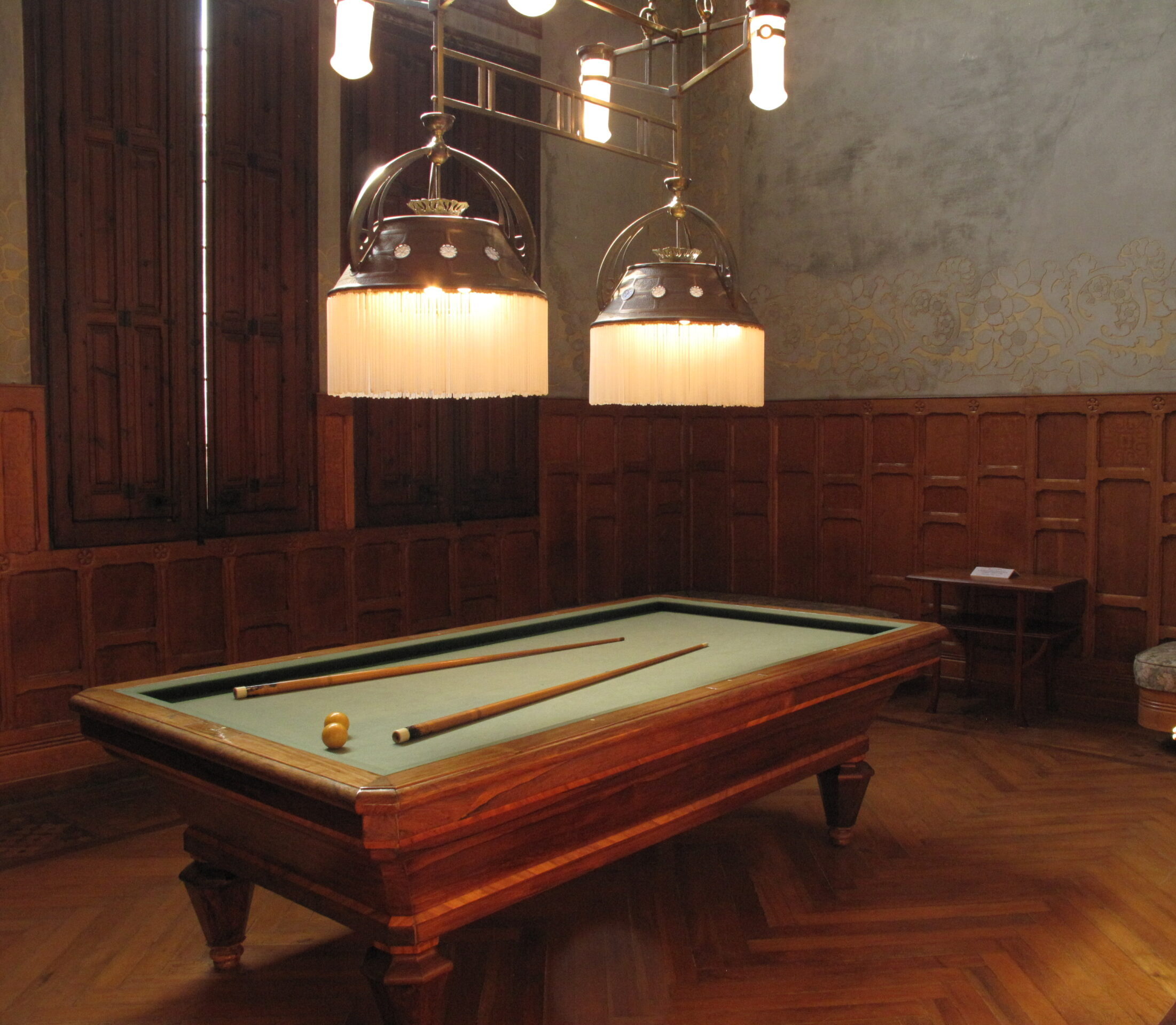
Snooker evolved from billiards in the late 19th century, gaining structured fame throughout the 20th Century. In Northern England, especially during the post-World War I and post-World War II eras, snooker halls became a hallmark of urban working-class life. These venues were usually tucked away above pubs or in converted church basements and served as places to play and as social centres where miners, mill workers, and factory labourers could unwind after gruelling shifts.
They equally fostered a sense of camaraderie and continuity.
In towns like Sheffield, Leeds, and Manchester, it became a popular leisure activity accessible to all. Unlike cricket or rugby, which require open fields and team coordination, snooker was perfect for the industrial north. It was an indoor, affordable option, and typically included the region’s vibrant club culture. British Legion clubs, miners’ welfare institutes, and local working men’s clubs maintained snooker tables as permanent fixtures, usually handed down and preserved with reverence.
These institutions preserved the ritual of the game. They equally fostered a sense of camaraderie and continuity. Over time, snooker symbolised the quieter and disciplined aspects of northern identity. One that is calm, measured, and methodical yet deeply resilient.
Notable Stars
The surge of television coverage in the 1970s and 1980s gave snooker national exposure. Northern England became a breeding ground for snooker stars who captivated audiences with both skill and character. Here are some of them.
Joe Johnson
He may be the most iconic Northern underdog story in snooker. As a rank outsider, Johnson shocked the world by winning the 1986 World Championship. His victory was delightful for the working-class supporters of Leeds, who saw him as a symbol of grit and perseverance.
Steve Davis
He is originally from London. However, his legacy was cemented by his matches in northern cities and his popularity among fans in the north during the televised snooker boom. He helped to promote the perception of snooker beyond pubs and working men’s clubs into the mainstream.
Shaun Murphy
He hails from Harlow but was raised in Manchester. Murphy won the 2005 World Championship. His polished style and cerebral approach reflected the modern northern player who is educated, composed, and media-savvy.
Its Spiritual Home
No discussion of northern snooker culture is complete without mention of The Crucible Theatre in Sheffield. Since 1977, it has hosted the World Snooker Championship, becoming synonymous with the sport. Despite its modest size, which can accommodate only 980 persons, it possesses an atmosphere unmatched in the snooker world. For many players, lifting the trophy at the Crucible is more than a career high. It is a rite of passage.
The City of Sheffield has taken a prominent role in snooker history. From murals and street banners to guided tours and souvenir shops, snooker has become part of the city’s cultural and economic identity. Local businesses flourish during championship season. Generations of Sheffield residents have grown up surrounded by world-class players.
Social & Cultural Significance

Snooker in Northern England has never been just about competition. It has served as a vehicle for community building. Social Clubs where snooker was played usually doubled as community centres. Beyond sports, these spaces hosted weddings, funerals, charity raffles, and local debates. A snooker table in such venues gives young people a reason to gather under supervision, learn etiquette, and engage in healthy competition.
It also serves as a link between generations. Fathers taught sons and sometimes daughters the techniques and sportsmanship of snooker. There are tales of children standing on crates to reach the table, watching older players and learning the game’s rhythm. These rituals strengthen intergenerational bonds and ensure the sport’s transmission as a cultural legacy.
Echoing the Voices of Past Generations While Beckoning the Next
The legacy of snooker in Northern England is far richer than just a combination of championships or famous players. It is a tale of a region that has embraced a sport, giving it character, soul, and a sense of belonging. Whether played in a dusty club or under the bright lights of The Crucible, snooker in this region remains alive. Despite this rapidly changing era, this legacy is a testament to the power of community, tradition, and quiet determination, which are similar traits to the green baize tables in which the game is played.