

5 Innovative Use Cases of NFTs in eCommerce
by Northern Life
5 Ways to Use NFTs in eCommerce
eCommerce faces many challenges that require innovative solutions. Non-fungible tokens (NFTs) offer an out-of-the-box approach to addressing some of these issues. Backed by the power of blockchain, NFTs can be applied especially where trust and authenticity need to be established or enhanced.
This article explores and demonstrates the use cases of NFTs, particularly how they can benefit the eCommerce industry.
Can You (Really) Use NFTs in eCommerce?
Initially, NFTs got popular as digital collectibles and art. However, over time, they’re proving to be very useful in other sectors, including eCommerce.
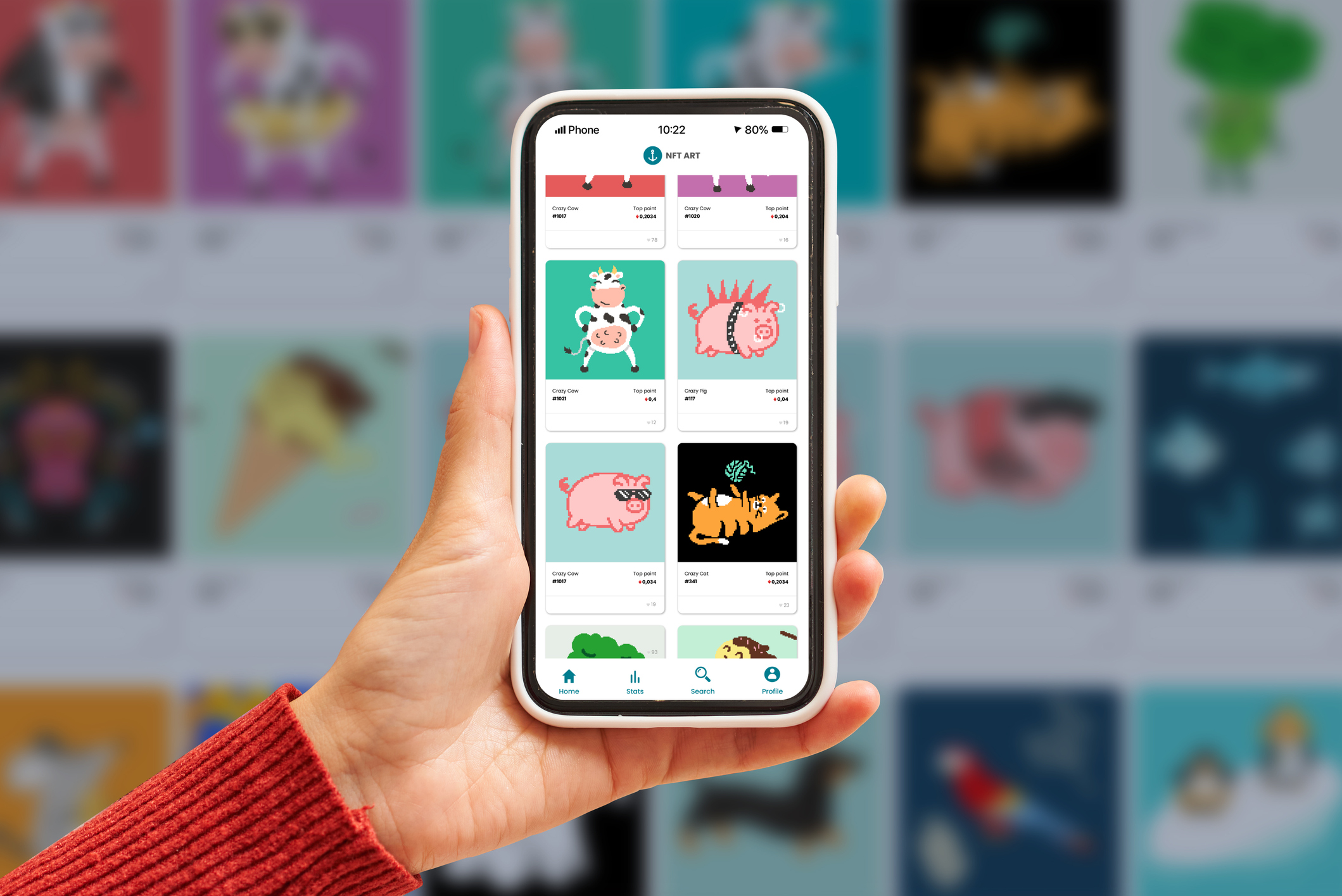
Because they’re built on blockchain technology, their records are permanent and transparent. Also, each NFT is one-of-a-kind and offers clear proof of ownership.
Immutability of records, provable ownership, and authenticity are the features of NFTs that eCommerce businesses can put to use to enhance customer trust and retention.
5 Ways to Use NFTs in eCommerce
The following are the most notable ways that NFTs can be used to make eCommerce better for both businesses and consumers:
Product Authentication & Customisation
Counterfeiting is a widespread problem in eCommerce, and happens anywhere from the point of manufacturing to the retail store.
Selling a fake product—even unknowingly—could kill consumer trust. Therefore, retailers, in particular, need to verify the authenticity of their products. The fundamental features of NFTs make them ideal for such a use.
Each NFT has a unique identifier assigned at its creation. This identifier can be compared to digital fingerprints that can’t be replicated or replaced. Scanning a QR code or an NFC, for example, can give consumers access to immutable data that serves as proof of authenticity. It’s impossible to falsify such a digital passport when recorded on an NFT, giving consumers assurance in the authenticity of the product they purchase.
Beyond their role as product authenticators, NFTs can also grant holders exclusive rights to contribute to the product design and customisation. The NFT can then permanently record those specific design choices and personalisations.
The NFT can also keep a record of who owns these aspects of the product designs throughout their lifetime.
The most prominent examples of the use of NFTs for this purpose include Dolce & Gabbana’s “Collezione Genesi” and Treasury Wine Estates. Collezione Genesi has featured nine custom-made physical couture pieces alongside unique digital artwork embedded in NFTs.
Treasury Wine Estates has used NFTs to authenticate and sell a Penfolds Magill Cellar 3 barrel of wine. Each bottle was connected to an NFT on the BlockBar platform, providing its holder with verifiable redemption rights.
Immersive Customer Experience

eCommerce often lacks the full experience of shopping that is available in a physical store.
Online transactions can feel impersonal, making it challenging for brands to create emotional connections with customers before, during, and after the purchase.
NFTs help to tackle this challenge by blending physical and virtual worlds.
Clinique issued NFTs to reward loyal customers with digital collectables and tangible goods.
They can serve as digital twins of the physical products, allowing their digital versions to be used in a virtual world for a holistic consumer experience. The NFTs can also provide exclusive access to content, events, and communities, transforming passive buyers into active participants.
For instance, Starbucks Odyssey provides NFT-based virtual experiences like coffee farm tours. Similarly, Kings of Leon has offered NFT “golden tickets” for lifetime VIP concert access, turning ownership into unforgettable experiences.
Gamified Loyalty Programs
Traditional loyalty programs in eCommerce often struggle with engagement by relying on generic points or discounts. Customers find it difficult to manage such points across various brands, and they often don’t carry any unique value.
NFTs give new life to these programs by offering unique, collectable digital assets as rewards. These tokens unlock exclusive benefits and gamified experiences. Consumers can trade NFTs on Magic Eden and other platforms, receive them as royalty rewards, and earn actual money.
Starbucks Odyssey has used NFTs for its loyalty program, where customers have received them as collectable “Journeys” and virtual experiences.
Similarly, Clinique issued NFTs to reward loyal customers with digital collectables and tangible goods. This use case creates a stronger attraction to the brand.
Exclusive Product Releases
Traditional exclusive product releases in eCommerce often face issues like bot attacks and scalping. This leads to frustrated loyal customers and limited transparency in the distribution.
NFTs provide a verifiable method for managing exclusive product drops. They ensure real customers of a brand get prioritized access, thus eliminating unfair distribution and building stronger brand loyalty.
For example, Adidas’ “Into the Metaverse” NFTs provided exclusive apparel access. Meanwhile, Taika’s NFTs have offered early drink sampling, showcasing a clear path to exclusive customer access.
Subscription Model Management
The usual subscription models often lack transferability or flexible management by businesses. This inflexibility frequently results in customer churn and limits new engagement opportunities.
NFTs improve subscriptions by representing verifiable, transferable digital ownership. This allows for flexible management, enabling users to sell or gift access, and even opening new secondary market opportunities.
Platforms like Revuto offer NFTs for lifetime service subscriptions. These tokens grant verifiable, ongoing access to popular services such as Netflix or Spotify.

Should You Leverage NFTs in eCommerce?
NFTs may play a role in the future of eCommerce because they bring real solutions for online businesses, from verifying products to boosting customer loyalty.
Using this technology can help companies find new commercial benefits, increase engagement, and gain an edge in the digital market. Therefore, NFT integration could be a smart move for any forward-thinking online retailer.