
Are Wall Mounted Electric Radiators Safe to Use in Bathrooms? Safety Considerations and Installation Tips
by Northern Life
Wall mounted electric radiators can be used safely in bathrooms when a few key points are followed.
Wall-mounted electric radiators are becoming more popular in homes, especially in spaces like bathrooms where extra warmth is needed. Many people wonder if these heaters are safe and practical to use in wet areas. Wall-mounted electric radiators are safe to use in bathrooms when installed by a qualified electrician and used as directed.
Modern designs, such as energy-saving wall-mounted electric radiators, are made to handle the damp conditions often found in bathrooms. These units offer simple controls, fast heating, and a tidy look that blends in with most spaces. If safety and efficiency are your main concerns, learning about the benefits of these radiators will help you make a smart choice.
Visit this page for more details on energy-saving wall-mounted electric radiator options that could suit your bathroom heating needs.
Understanding Wall-Mounted Electric Radiators in Bathrooms
Wall-mounted electric radiators can be fitted into modern bathrooms when certain conditions are met. Key factors to consider include how the radiator works, its moisture resistance, and built-in safety features.
How Electric Radiators Work
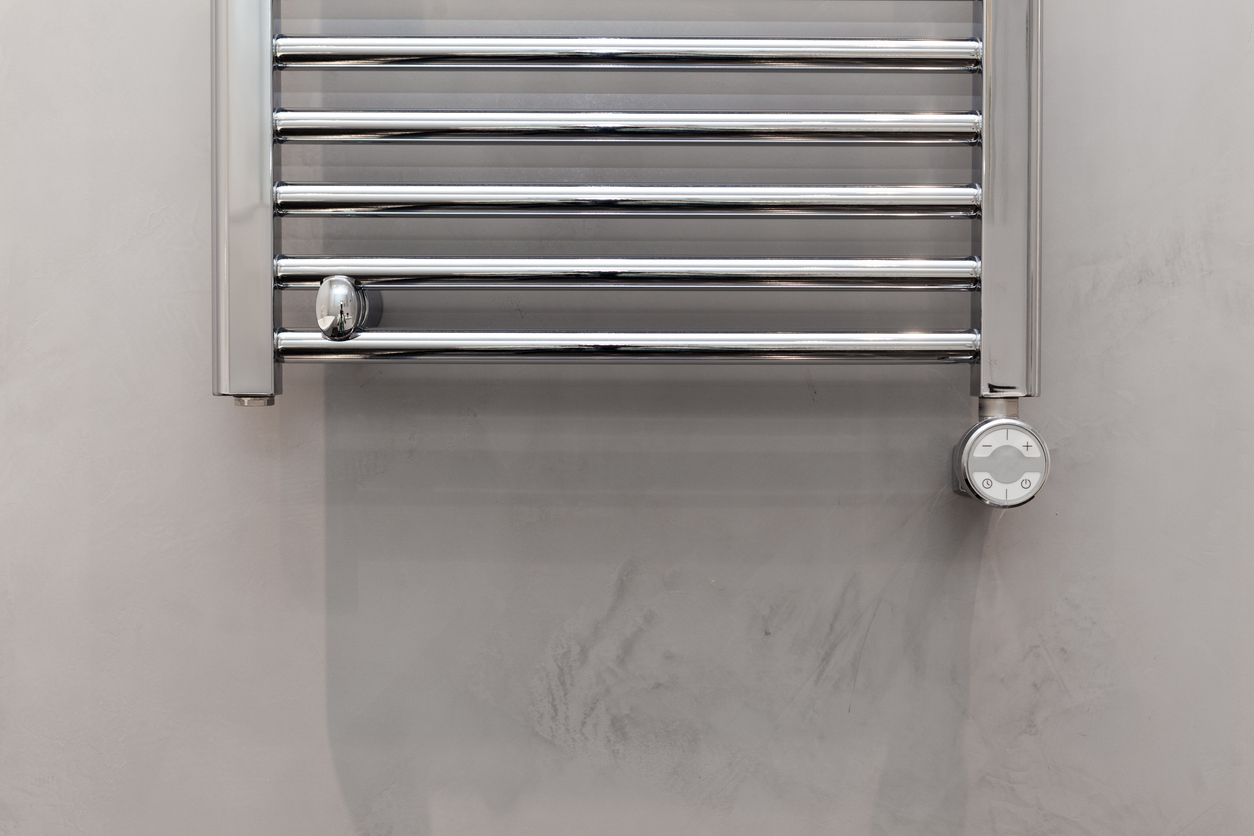
Electric radiators use electricity to heat up metal panels or special oil inside a sealed body. When the power is turned on, the unit heats up fast and provides steady warmth to the room. Since they do not connect to water pipes, they are easy to install and do not require plumbing work.
Temperature is usually controlled with a thermostat on the radiator. Many models have timers so users can adjust when the unit turns on or off. These controls help maintain a comfortable bathroom temperature and avoid wasting energy.
Most electric radiators stay cool to the touch on the outside, except for the heating surface. They are usually placed on the wall, at least 12 inches above the ground, to prevent water from reaching the unit. This reduces the chance of an electric shock in wet areas.
IP Ratings and Moisture Resistance
Bathroom electric radiators need a high level of protection from water and humidity. This is described by an IP (Ingress Protection) rating, which shows how well the device can keep out moisture and dust.
A typical recommendation is to choose a radiator with at least an IP24 rating for bathroom use. This means the radiator body is protected from splashes of water from any direction. The higher the number, the better the resistance to moisture.
Bathrooms are divided into zones based on where water is likely to splash. The safe installation of a radiator depends on its IP rating and its distance from baths, showers, or sinks. Radiators with proper IP protection can be safely installed in most bathroom zones as long as wiring rules and safety distances are followed.
Features Designed for Bathroom Safety
Many wall-mounted electric radiators for bathrooms now include extra safety features. Standard options are built-in overheat protection, automatic shut-off, and child lock controls. These functions help lower the risk of burns or accidents, especially in family homes.
Some models detect if the unit is covered or blocked and will turn off immediately. This prevents overheating and reduces fire risk. Double insulation and safety-certified wiring are also standard in bathroom-approved designs.
Before installing, users should confirm that all features are suitable for wet environments and follow local rules for bathroom electrics. If unsure, professional installation is recommended, as this helps meet strict bathroom safety standards.
Safety Considerations and Best Practices
Wall-mounted electric radiators can be safely used in bathrooms when a few key points are followed. Good installation, routine care, and following the directions matter most for safe and efficient use.
Correct Installation Requirements
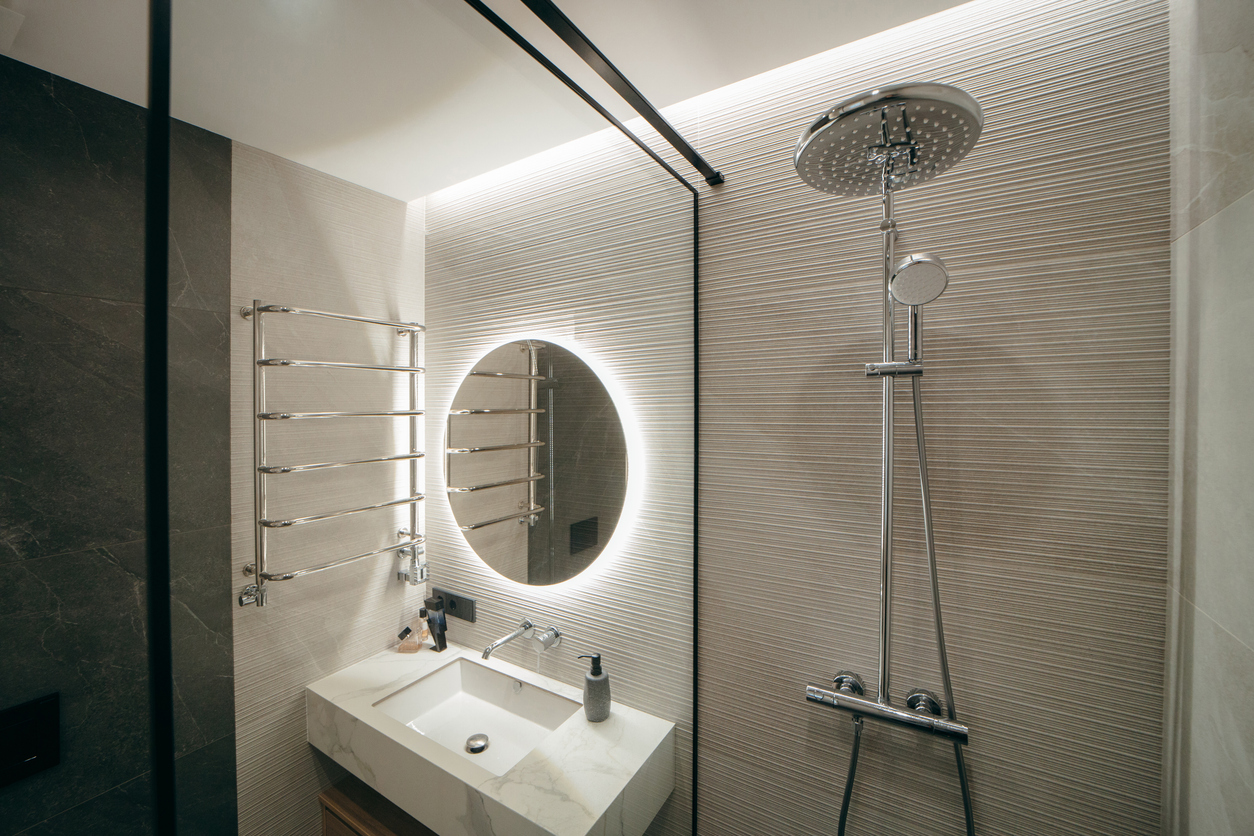
Electric radiators need careful placement in bathrooms to avoid contact with water. Installation should always be handled by a qualified electrician who understands the proper distance from showers, bathtubs, and sinks. This helps prevent electric shock.
Most electric radiators must be placed in specific “zones” laid out by bathroom safety codes. For example, heaters should not be installed right above a bath or in places where water may splash on them. Always use models designed for wet rooms and check for an appropriate IP (Ingress Protection) rating. The IP rating shows how protected the heater is against water and dust.
Proper wiring is also necessary. Electrical codes often require dedicated circuits with ground fault protection (like a GFCI), which lowers the risk of a short circuit or electrical accident.
Maintenance and Regular Inspection
Regular care keeps electric radiators working safely. Dust and debris can build up in vents or heating elements, lowering performance and making them hotter than they should be. Clean the unit with a dry cloth and check for any signs of wear, such as frayed wires or cracks in the casing.
Schedule annual inspections with a qualified professional. They can test for electrical problems that may not be easy to see.
Keep the area around the heater clear. Don’t drape towels or clothes over the radiator, since this can trap heat or even cause burning. Make sure the radiator is still firmly attached to the wall and hasn’t come loose.
Manufacturer Guidelines and Compliance
Read all instructions that come with the radiator before use. Each model has its own rules about safe operation and placement. Stick to the recommended usage to avoid problems.
Look for certifications like UL or CE marking, which show that the heater meets independent safety standards. Always follow the recommended spacing and installation instructions. Please do not use the unit for anything other than its intended purpose.
If the heater is not approved for bathroom use, do not put it in that space, even if it seems safe. Follow all warnings and regularly review the safety documentation that comes with the product. This helps reduce the risk of electrical issues and keeps the bathroom safe.
Conclusion
Wall-mounted electric radiators can be safely used in bathrooms when installed by a qualified electrician. To prevent electrical hazards, they must be hardwired into the mains, not plugged into a socket.
Proper placement away from direct water sources and use of safety features like splash-proof designs help protect against moisture and accidents. Following these steps makes electric radiators a practical choice for bathroom heating.
Responsibly choosing and installing these heaters can provide comfortable warmth and peace of mind.