

Helping Northern Businesses Save Money with Industrial Chiller Maintenance
by Northern Life
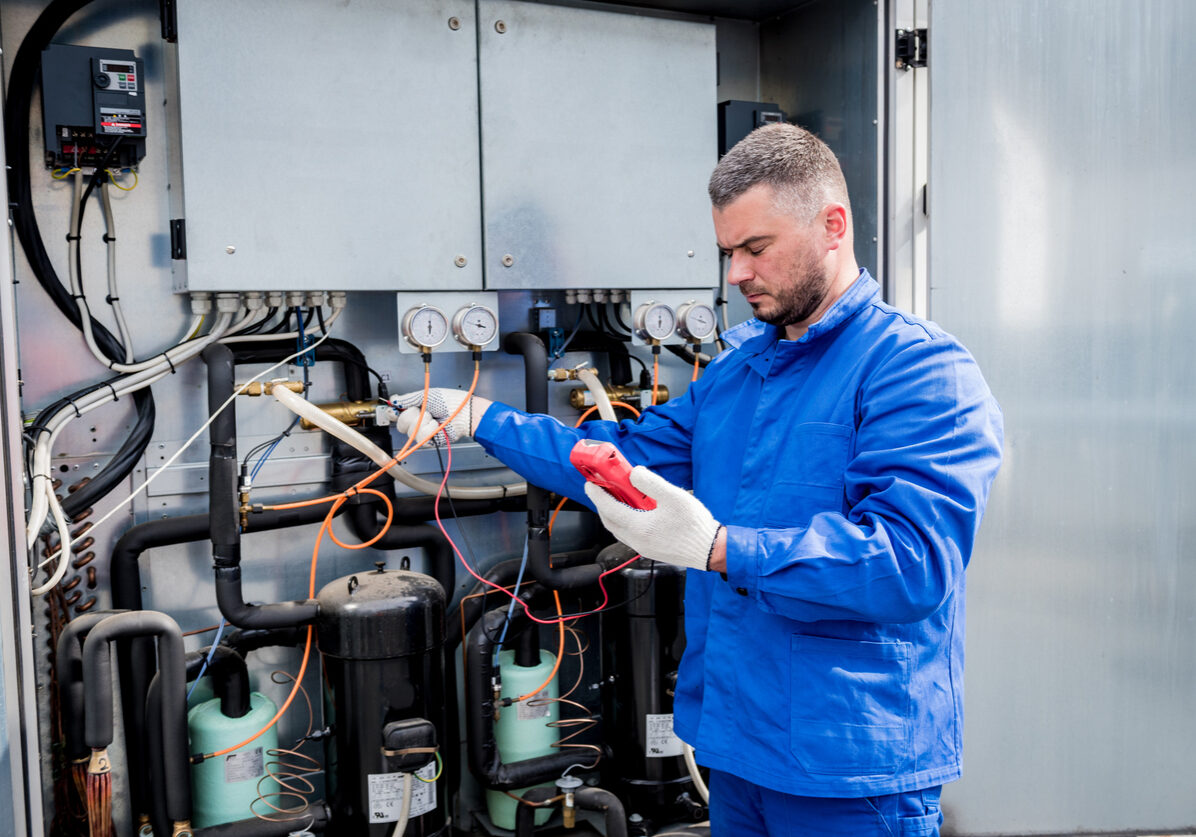
Industrial chillers play a huge role in the daily operations of many businesses across the North of England. From food production plants and automotive manufacturers to pharmaceutical facilities and plastic injection moulders, reliable cooling is essential for keeping operations smooth and efficient. But when maintenance is overlooked, costs can spiral.
Good maintenance practices can really reduce a business’s cooling costs, not just by reducing repair bills but also by improving day-to-day energy use and extending the lifespan of expensive equipment.
Why Regular Chiller Maintenance Matters

Industrial chillers work hard, often running 24/7 in demanding environments. Over time, even the best systems experience wear and tear. Components become less efficient, refrigerant levels drop, filters clog, and heat transfer surfaces accumulate dirt.
Without regular maintenance, these minor issues build up and force the system to work harder to achieve the same cooling effect. The result? Higher energy bills, more frequent breakdowns, and the need for early replacement of expensive units.
By keeping to a structured maintenance programme, businesses benefit from:
- Lower energy usage
- Fewer unexpected breakdowns
- Longer equipment life
- More consistent cooling performance
In regions like Manchester, Leeds, and Newcastle, where businesses often face seasonal temperature changes, maintaining cooling systems is even more important to avoid costly downtime.
Common Maintenance Tasks That Make a Difference
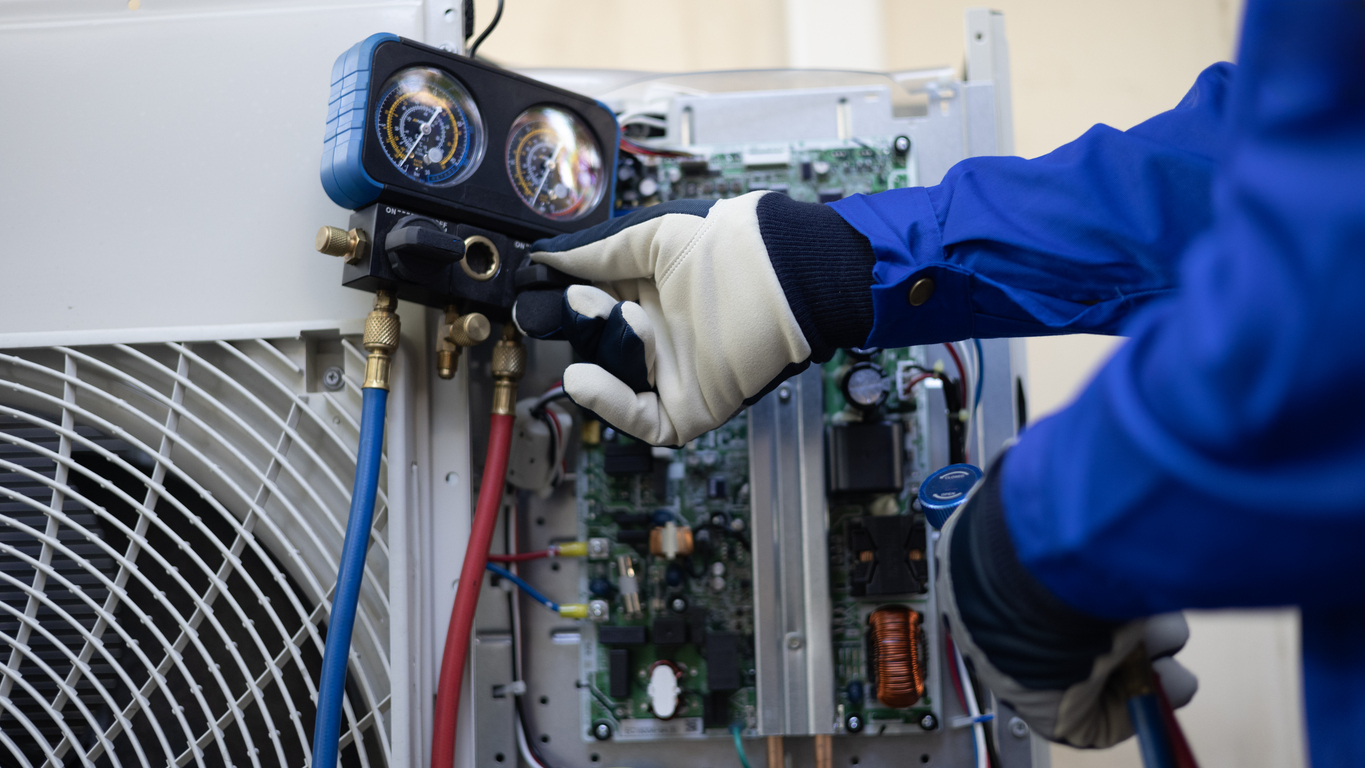
Chiller maintenance isn’t just about a yearly service. It involves several key activities carried out at different intervals, depending on usage and system type.
Some of the most important tasks include:
- Checking refrigerant pressures and topping up if necessary
- Inspecting compressors, pumps, and fans for signs of wear
- Cleaning the condenser and evaporator coils
- Changing or cleaning filters
- Checking electrical connections
- Verifying system controls and safety devices
- Calibrating sensors and thermostats
- Testing electrical components using reliable PAT testing equipment to ensure safety and compliance
By tackling these areas regularly, businesses can avoid common performance problems like inefficient cooling, unexpected shutdowns, and compressor failures, all of which can be expensive to put right.
How Different Businesses Benefit: Use Cases

Let’s look at how maintenance savings can apply to different industries across the north.
Food and Beverage Factories
For food and drink producers in Yorkshire and Lancashire, chiller reliability is directly tied to product quality and safety. A malfunctioning chiller can lead to temperature breaches, wasted stock, and compliance issues.
Regular servicing of water-cooled chillers used in production lines helps these businesses avoid costly downtime and stock losses. Simple tasks like descaling water circuits and cleaning condenser coils can have a big impact, keeping systems running efficiently and avoiding emergency repairs.
Plastic Injection Moulding
In areas like Sunderland and Preston, where plastic injection moulding is a major industry, chilled water systems keep mould tools at precise temperatures. Even slight temperature variations can affect the quality of the final product, leading to rejected parts and waste.
Frequent inspection and maintenance of portable and recirculating chillers help moulding companies maintain tight process control. Early replacement of worn pumps and cleaning of process water loops prevent unplanned interruptions and maintain product consistency. Regular maintenance can help your plastic injection molding chiller last for years.
Automotive Plants
The north is home to several major automotive manufacturing hubs. Here, HVAC chillers are often used to keep assembly plants cool, while specialised glycol chillers manage temperatures in paint shops and testing facilities.
Given the scale of these operations, even a slight reduction in energy consumption per unit can lead to substantial annual savings. Routine monitoring of glycol concentration, pump performance, and coil condition plays a key role in keeping systems economical and avoiding large-scale failures that can halt production.
Breweries and Distilleries
Northern breweries and distilleries rely heavily on chillers for fermentation control. Temperature swings can impact taste, quality, and yield.
For these businesses, scheduled cleaning of heat exchangers and verification of temperature sensors are especially important. This helps maintain precise fermentation temperatures without putting unnecessary load on the chiller, reducing energy bills and the chance of mechanical failures.
Special Considerations for Different Chiller Types
Different chiller designs have different maintenance needs.
Air-Cooled Chillers: These systems are exposed to the atmosphere, making coil cleaning especially important. Dirt and debris build-up can easily reduce cooling efficiency, forcing compressors to work harder and drawing more power.
Water-Cooled Chillers: These require regular checks for scale and fouling in the condenser tubes. Poor water quality or lack of chemical treatment can lead to heavy scaling, reducing heat exchange performance and increasing running costs.
Glycol Chillers: These systems require regular monitoring of glycol concentration. Incorrect levels can reduce efficiency and even damage system components, leading to expensive repairs.
Portable and Recirculating Chillers: While smaller, these units are often overlooked. Checking water flow rates, inspecting filters, and cleaning internal components can prevent performance drops and lengthen their service life.
Emergency Repairs vs. Planned Maintenance

It’s tempting for businesses to adopt a “run to fail” approach, only fixing problems when they occur. However, emergency repairs are often more expensive, especially when factoring in:
- Emergency callout fees
- Expedited parts delivery costs
- Unplanned downtime and lost production
Planned maintenance spreads costs more evenly across the year and prevents more significant issues from developing unnoticed.
Many businesses across the North are now adopting preventative maintenance contracts, locking in regular service visits and often benefiting from lower service rates and priority callout terms when needed.
How Much Can Northern Businesses Save?
While every business is different, studies suggest that well-maintained chiller systems can reduce energy consumption by 5-15% compared to poorly maintained units. For a medium-sized manufacturing plant with several large chillers, this can amount to thousands of pounds saved each year.
Additionally, extending the operational life of a chiller by even two or three years can defer a large capital expense, improving overall cash flow.
Final Thoughts
Industrial chiller maintenance isn’t just about avoiding breakdowns; it’s a smart way to control costs, protect output quality, and manage energy consumption. For northern businesses facing rising energy prices and competitive pressures, it represents a simple but powerful step towards better financial performance.
By working with a trusted maintenance provider who understands different chiller types and industry needs, businesses can keep their cooling systems running efficiently for years to come, saving money, improving reliability, and strengthening their operations.