

90s and 00s – How Y2K Culture is Defining Fashion in the UK
by Northern Life
Y2K culture continues to define fashion in the UK. But how is it doing this and what is the fascination with 90s and 00s clothes?
The 90s and 00s feel like a lifetime ago now, but in many ways, they also feel like they’re still with us. Especially in the fashion industry, the influence of the 90s and 00s – often referred to as Y2K culture – remains very much alive and shaping current trends.
That shouldn’t be too much of a surprise, of course. In the 00s, especially, the digital revolution really came into fruition, turning a lot of industries into the behemoth juggernauts we see today.
In the creative industry, for instance, the rise of e-books, self-publishing platforms, and KDP pushed the sector to the whopping $137 billion valuation we see today. In the gaming industry, players flocked to online poker over traditional, making the casino industry, specifically, far more accessible around the world. And in the fashion industry, the effect was just the same, making fashion more accessible and more wide-ranging to appeal to a global audience rather than a specific niche of clientele.
It’s no surprise, then, that the popular fashion choices at the time of the online revolution have stuck around.
Y2K Culture Forever
Indeed, Y2K culture seems to have been sewn into the fabric of modern UK fashion from the very start, and its influence can still be seen defining fashion right now. Just take a look at the recent resurgence of early 2000s-inspired pieces, such as low-rise jeans, chunky trainers, and metallic accessories – fashion trends that have been dominating both high-street and designer collections throughout 2024 and 2025.
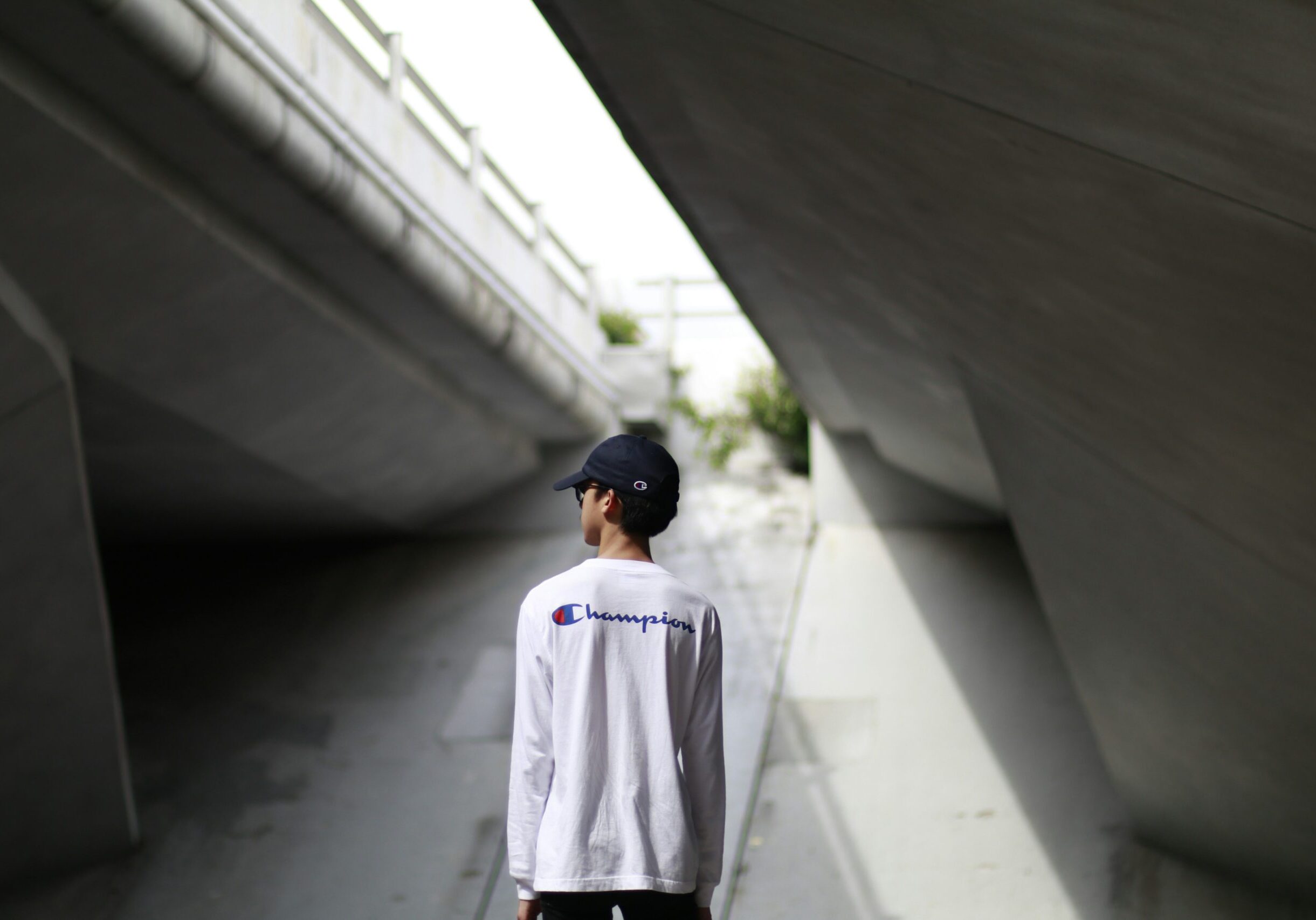
In England, especially, Y2K culture is heavily influencing 2025 men’s street style, with fashionistas flocking to thrift shops and vintage boutiques to pick up classic pieces that carry the signature of the era. Across the country, people are mixing experimental styles with statement colours, looking to pay homage to the late 90s and early 00s look, while implementing more contemporary influences – in effect, creating a hybrid style that feels both refreshingly modern and unashamedly sentimental.
Why Y2K Culture Has Stuck Around
Why the Y2K culture has been sewn into modern fashion is all to do with those first few years. As the fashion industry transcended into the digital space, it found itself riding the wave of the time’s aesthetics—bright colours, futuristic materials, and a general sense of experimentalism.
As fashion content then became more shareable online – mainly through the rise of social media platforms like Facebook, Twitter, and YouTube – the styles of that era became burned into the collective memory of a whole generation, with brands continuously riding the wave to effectively keep those styles alive.
Other elements have helped, too. Just as Y2K culture seemed set to fade away in the early 2020s, it finally began to inspire the movie industry, with numerous films, including Mainstream and Saltburn, leaning into the aesthetic and romanticism of the era. As a result, they reinforced the era’s fashion choices and, in effect, its identity into the public zeitgeist, and reinstated Y2K as a fashion cornerstone.
Conclusion
Whether it’s through sheer and mesh, small sunglasses and butterfly clips, or simply the mood and mindset of the 90s and 00s, Y2K is alive and well in the UK fashion industry, and that doesn’t look set to change anytime soon.
One thing that we haven’t even mentioned yet is the word ‘nostalgia’, which will only grow greater as time moves forward, and ensure the era continues to hold cultural weight in how we dress, design, and express ourselves. As younger generations romanticise the pre-digital and early internet age, and older generations revisit their formative fashion years, nostalgia will become a powerful driver of consumer behaviour, and ensure Y2K continues to shape fashion for years to come.