

7 Travel Safety Tips Every Traveller Should Know
by Northern Life
7 essential travel safety tips that ensure your journey is as smooth and secure as possible.
Travelling is exciting, but safety should always be a top priority. Whether you’re exploring bustling cities, remote beaches, or historic landmarks, being prepared protects your health, belongings, and peace of mind. From careful planning to situational awareness, there are practical strategies every traveller should adopt. Here are 7 essential travel safety tips that ensure your journey is as smooth and secure as possible.
Secure Your Travel Documents Early
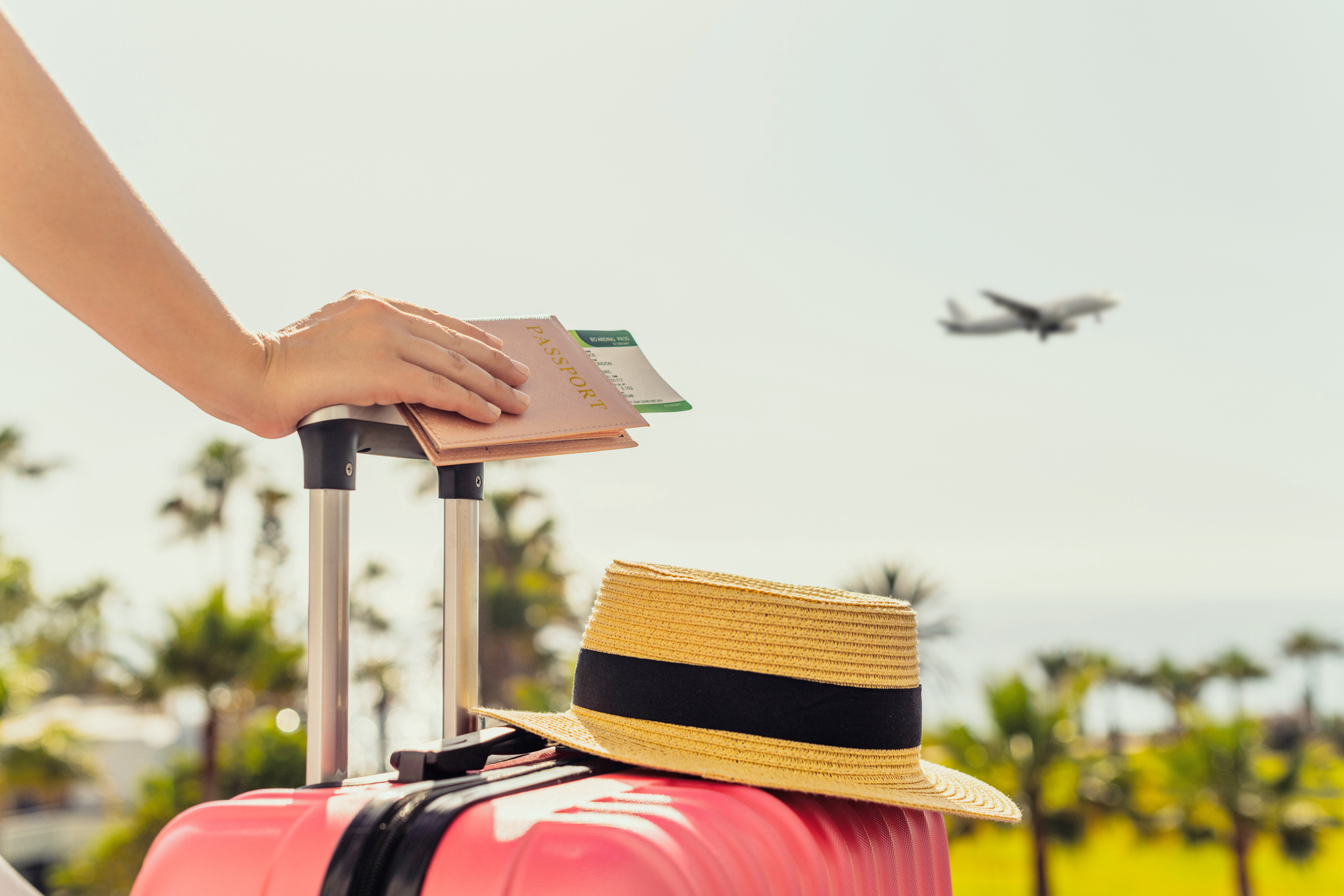
One of the most important steps in safe travel is ensuring your documents are in order. Passports, visas, and tickets are your lifelines abroad, and having them ready reduces stress and prevents last-minute emergencies. For travellers visiting Cuba, it’s crucial to know that American Airlines has a Cuba visa program, which streamlines the process for eligible passengers. By arranging visas through trusted sources or airlines, you avoid delays at the airport and ensure compliance with immigration regulations. Beyond visas, make digital and physical copies of all travel documents, store them separately from originals, and consider using secure online storage. Being organised protects against loss or theft, which is especially important in foreign countries where replacing documents can be complicated. Additionally, keeping copies accessible allows you to quickly provide identification in emergencies or check-ins. Planning your travel documentation thoroughly not only safeguards your trip but also reduces anxiety, letting you focus on enjoying the journey.
Stay Aware of Local Laws and Customs
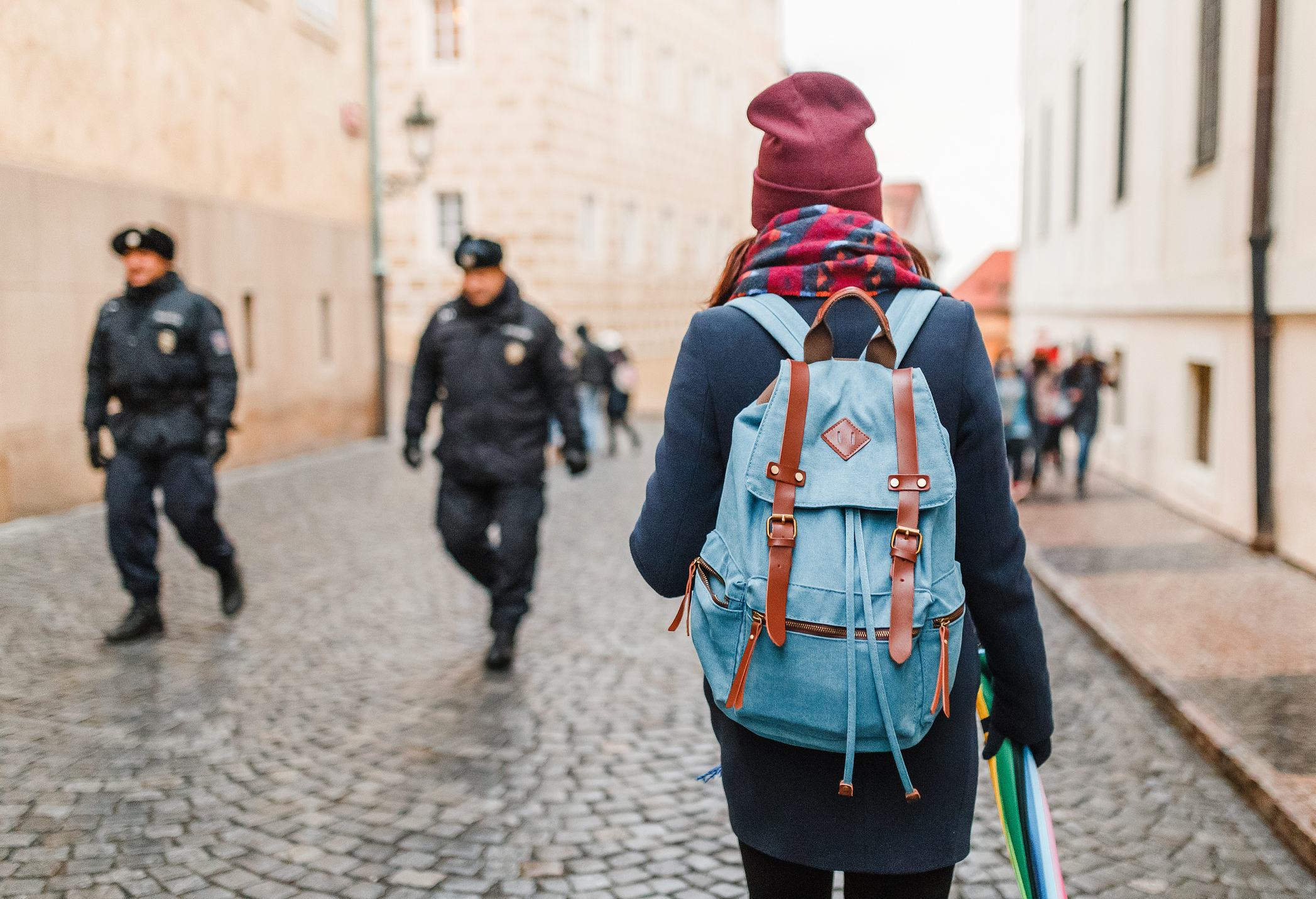
Every country has its own set of laws, regulations, and cultural norms. Ignorance can lead to fines, legal trouble, or uncomfortable encounters. Before travelling, research local laws, including rules about alcohol, photography, dress codes, and prohibited items. Understanding cultural expectations—such as tipping practices, gestures, and greetings—prevents misunderstandings. Awareness extends to safety laws, such as curfews, traffic rules, or restrictions in specific areas. Being informed allows you to navigate unfamiliar environments confidently while respecting the host community. Travellers who familiarise themselves with local customs are less likely to draw negative attention and more likely to enjoy authentic experiences safely.
Keep Personal Belongings Secure
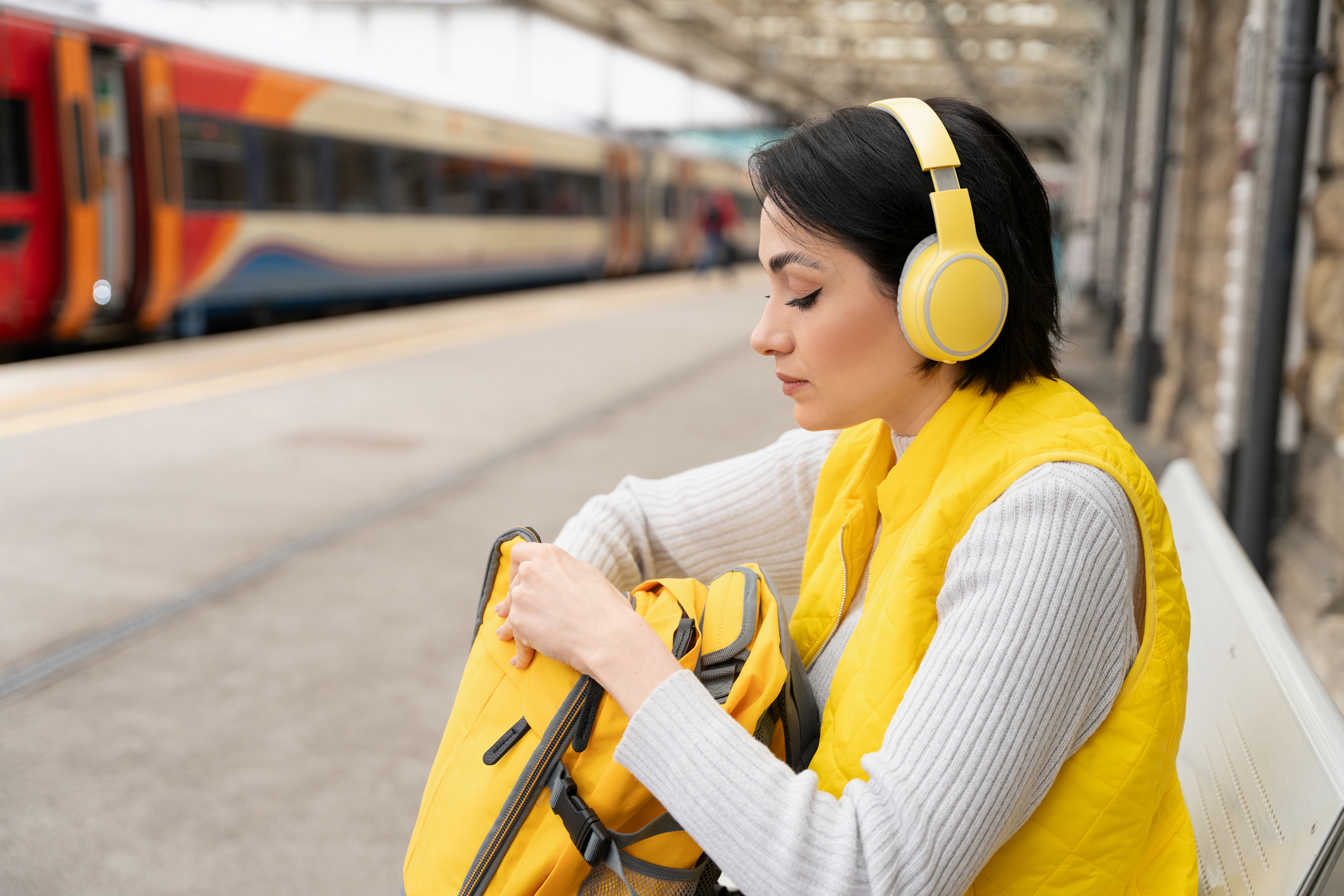
Travelling often means being in crowded places where theft or loss is possible. Protecting your belongings requires vigilance and practical tools. Use anti-theft backpacks, crossbody bags, or money belts to keep valuables close. Lock suitcases when leaving them in hotel rooms and consider luggage tags with minimal personal information. Avoid displaying expensive items like jewellery, cameras, or electronics in public spaces, which can make you a target. Keep essential documents, credit cards, and emergency cash in separate pockets to minimise risk if something is lost or stolen. Simple habits, like double-checking that bags are zipped and storing backups in hotel safes, can prevent mishaps. Travellers who adopt these practices reduce stress and can enjoy sightseeing without constantly worrying about their possessions.
Monitor Health and Hygiene
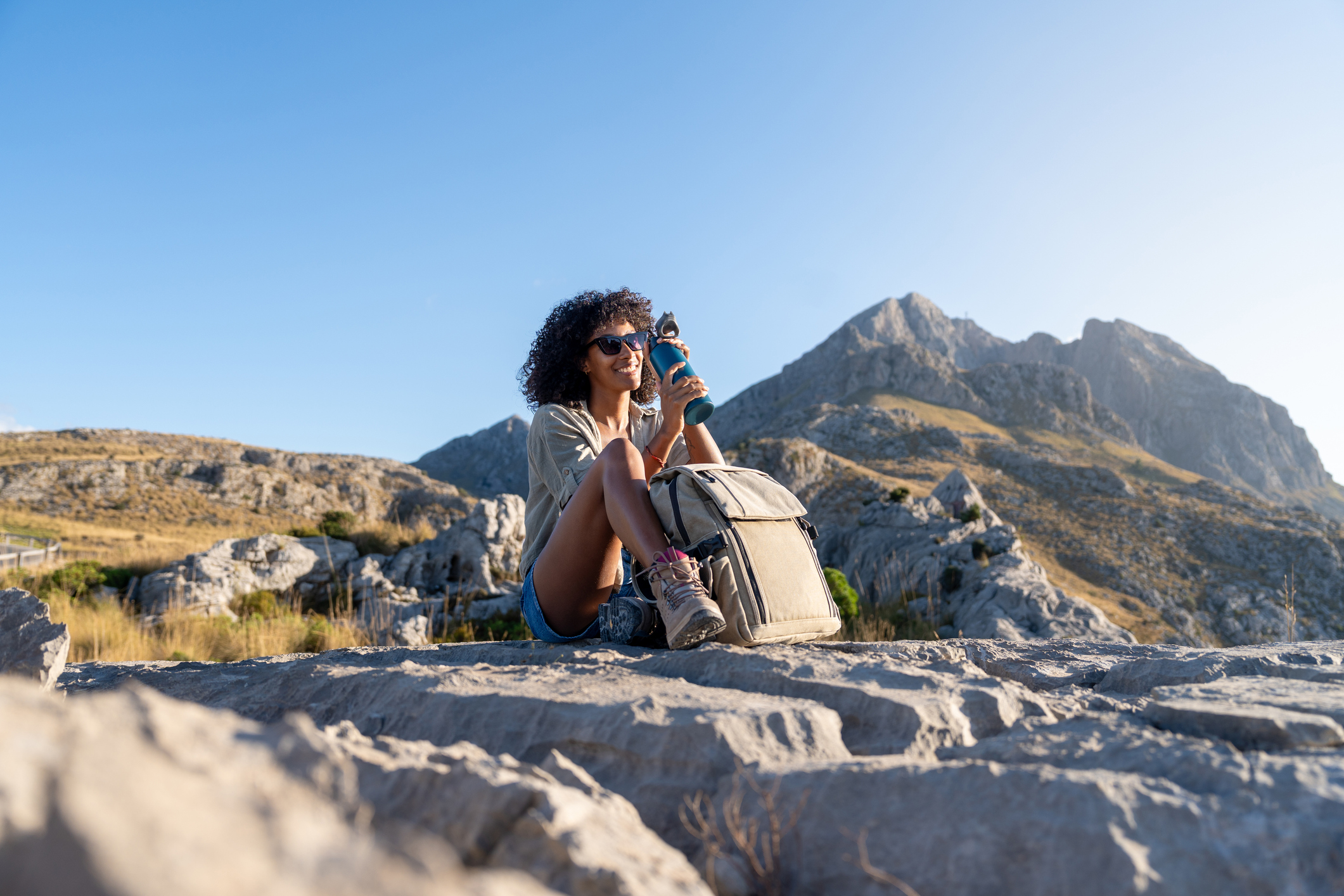
Maintaining health while travelling is crucial, especially when visiting destinations with different climates, foods, or water quality. Drink bottled or purified water when necessary, and avoid consuming food from unhygienic sources. Carry a basic first-aid kit, medications, and hand sanitiser to manage minor injuries or illnesses. Research recommended vaccines and preventive measures for your destination, and ensure travel insurance covers medical emergencies. If travelling internationally, know where the nearest hospitals or clinics are and keep emergency contacts handy. Staying proactive about your health helps protect you from common travel illnesses like foodborne infections, dehydration, and seasonal illnesses.
Stay Connected and Share Itinerary
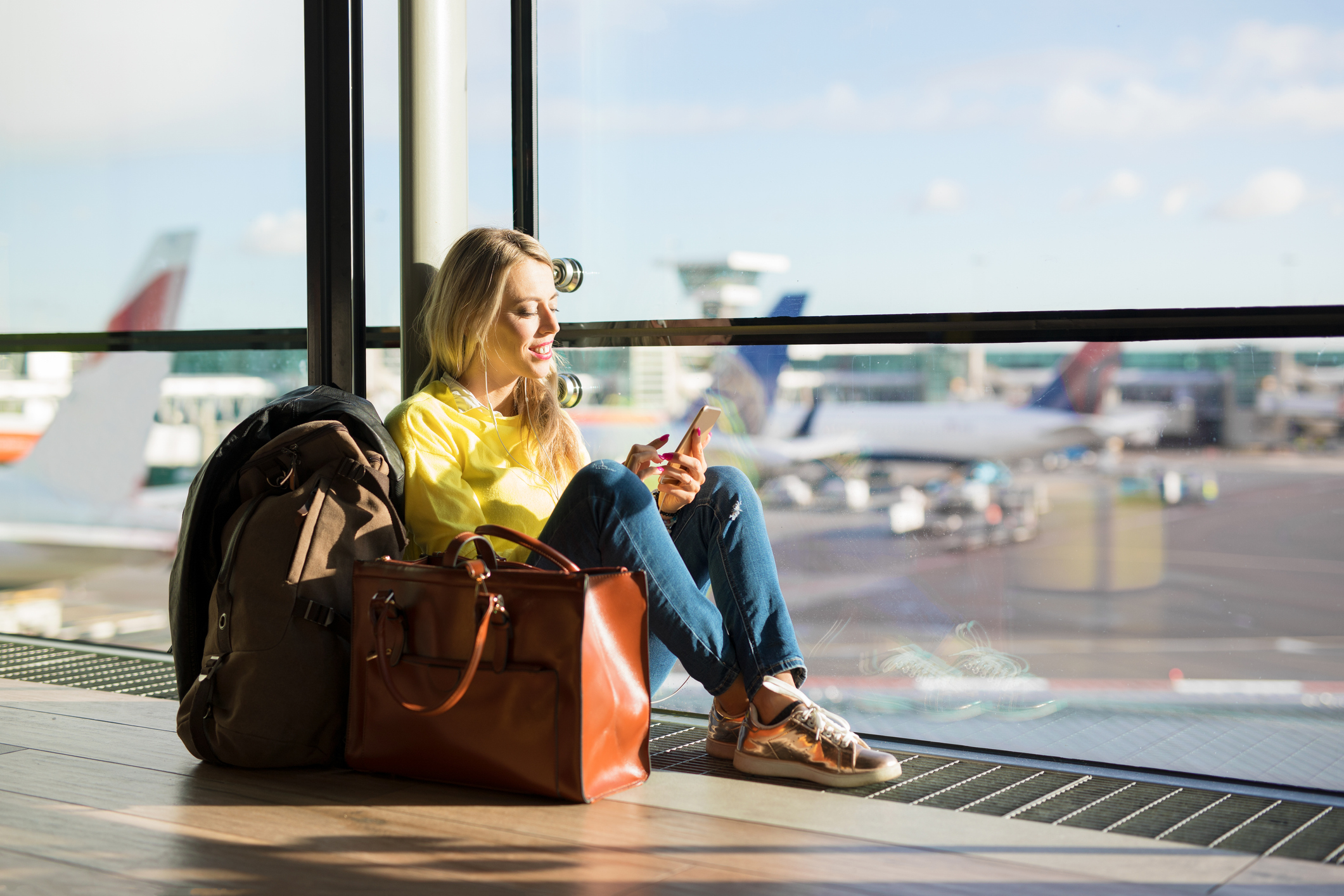
Communication is a key safety tool. Keep family or friends informed about your travel plans, including flight details, accommodation, and daily activities. Share digital copies of itineraries or use travel apps to securely track your location. Staying connected also ensures help is accessible in emergencies. Local SIM cards or roaming plans maintain reliable access to phone and internet, and establishing check-in routines with loved ones provides reassurance. Sharing your plans doesn’t just protect you; it allows someone to act quickly if unexpected situations arise.
Avoid Risky Areas and Situations
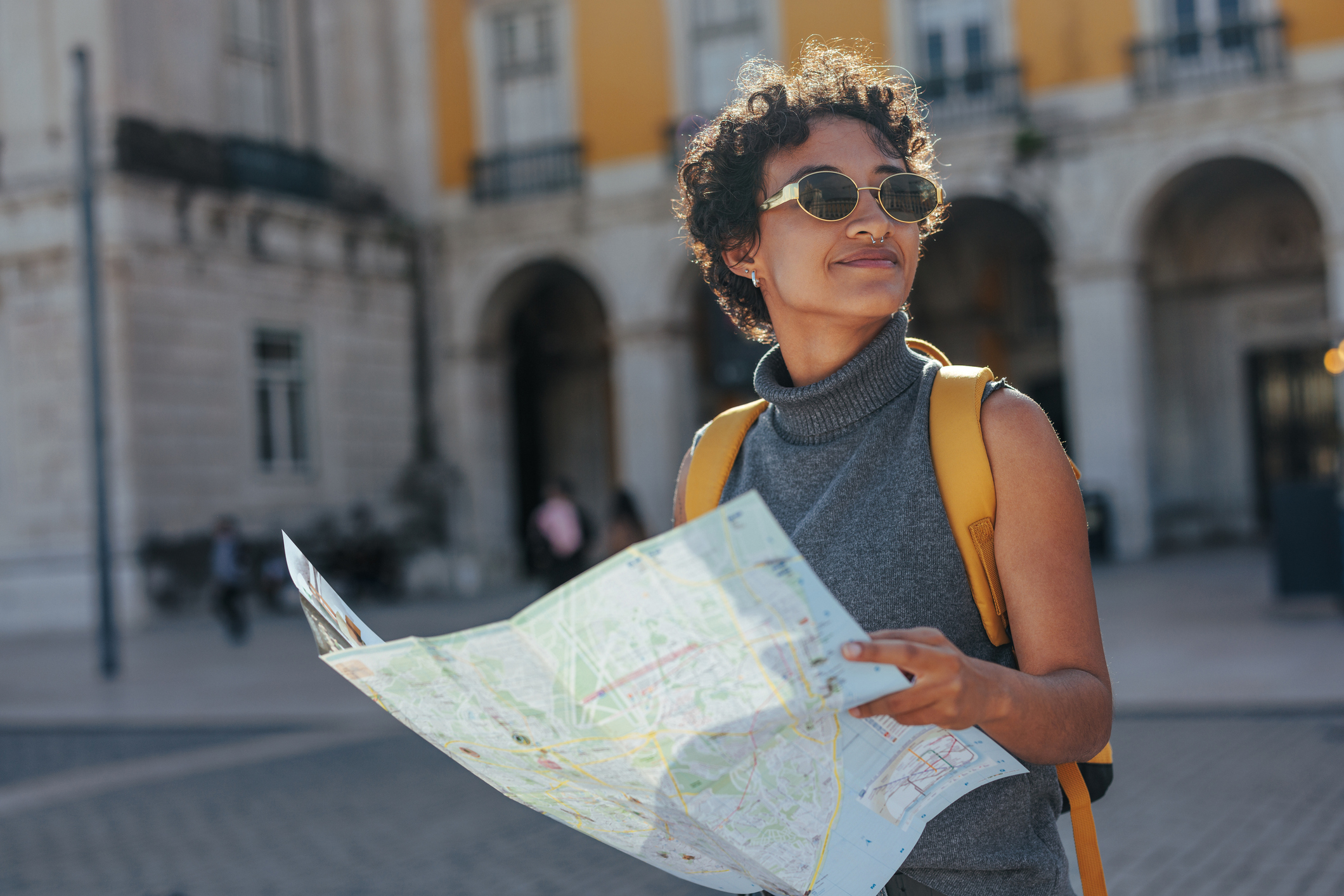
Even the safest destinations have areas or situations best avoided. Research locations in advance and heed local advice about crime hotspots, unsafe neighbourhoods, or restricted areas. Avoid walking alone late at night, especially in unfamiliar cities. Stay cautious around large crowds, public demonstrations, or unfamiliar modes of transportation. Trusting your instincts is essential—if something feels unsafe, leave the area and seek help. Many travellers underestimate situational awareness, but avoiding high-risk areas dramatically reduces the likelihood of incidents.
Prepare for Emergencies
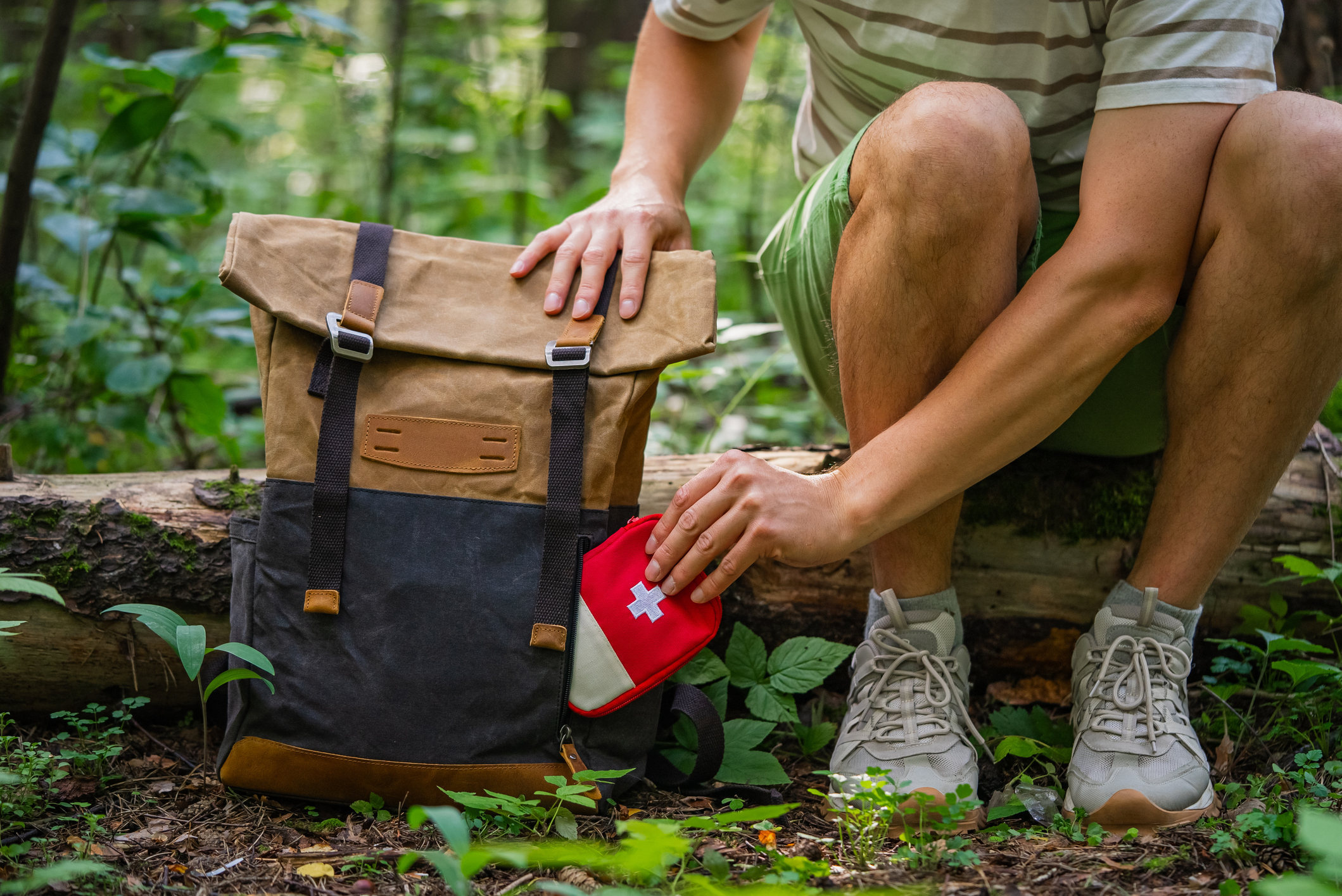
Being prepared for emergencies ensures a swift response to unexpected events. Know the local emergency numbers, locate nearby hospitals, and have access to embassy or consulate contacts. Carry a small emergency kit with essentials like medications, cash, and basic first-aid supplies. Back up travel documents and important information digitally. Having a plan in place for theft, accidents, or natural disasters reduces panic and increases your ability to respond effectively. Travellers who anticipate emergencies enjoy peace of mind, allowing them to focus on exploring safely and confidently.