


5 Things Northern Mums Really Need to Know About Kids’ Teeth
by Northern Life
Caring for children’s teeth does not require perfection. It is about consistency.
Because bedtime should not end in tears
From windswept school gates to cosy evenings in, northern family life is busy. Between homework, after-school clubs and getting everyone fed, the last thing most mums need is a full-blown showdown over a toothbrush. Yet children’s dental health is one of those small daily habits that quietly shapes their comfort, confidence and long-term wellbeing.
Bedtime brushing is your strongest line of defence.
Tooth decay remains one of the most common reasons children in the UK are admitted to hospital. The reassuring part is this: most of it is preventable. With the right information and a steady routine, protecting little smiles does not have to feel overwhelming.

Here are five things every northern mum should know, plus a simple tip for each.
1. Baby Teeth Are Not “Just Baby Teeth”
Those first tiny teeth are doing important work. They help your child chew properly, speak clearly and guide adult teeth into position. If baby teeth decay, it can lead to pain, infection and even affect how permanent teeth grow in later on.
Tip: Start brushing as soon as the first tooth appears. The earlier it becomes part of the daily routine, the less resistance you will face later.
2. Nighttime Brushing Is the One That Matters Most
When children sleep, saliva flow reduces. That means plaque and sugar can sit on teeth for longer, increasing the risk of decay. Bedtime brushing is your strongest line of defence.
Most children need help brushing properly until at least age seven.
Use a smear of fluoride toothpaste under age three, and a pea-sized amount from three onwards. Brush carefully for two full minutes.
Tip: After brushing, encourage your child to spit but not rinse with water. This keeps the fluoride on their teeth overnight, offering extra protection.
3. It Is Not Just Sweets That Cause Cavities
It is easy to focus on chocolate and sweets, but fruit juices, smoothies, dried fruit and sticky snack bars can also cling to teeth. Frequent snacking throughout the day gives bacteria more opportunities to produce acid that damages enamel.
Tip: Keep sugary foods and drinks to mealtimes rather than allowing constant grazing. Offer water or milk between meals to give teeth a proper break.
4. Seeing a Dentist Early Can Save Tears Later
Regular checkups help children feel comfortable in the dental chair and allow any small issues to be spotted early. A positive first experience can shape how they feel about dental care for years to come.
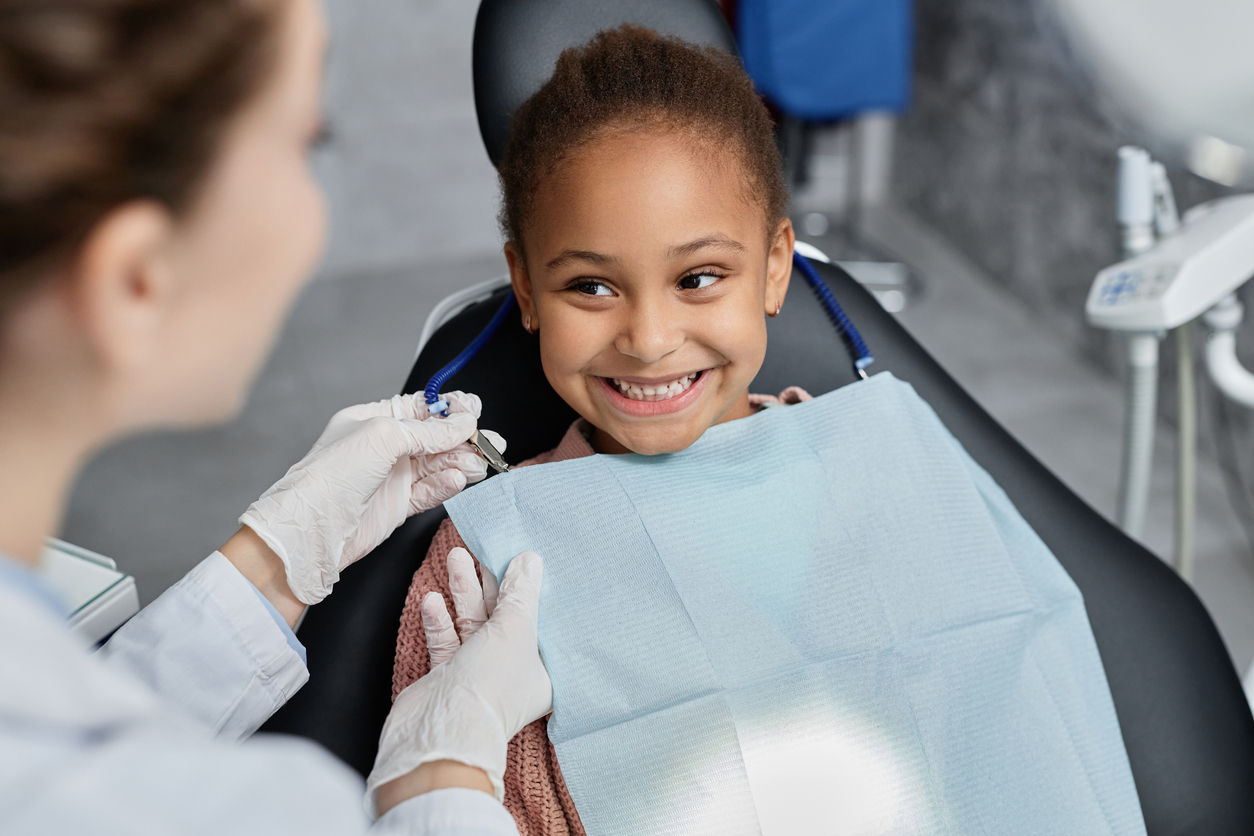
For families looking for supportive, family-focused care, Chatsworth House Dental Clinic offers tailored appointments for children and adults alike. Owner Dr Prem Hunjan explains, “Early visits give children confidence and help families establish simple, effective habits that protect little teeth now and in the future.”
Tip: Aim for a first dental visit by your child’s first birthday or when their first tooth appears. Keep the tone relaxed and matter-of-fact at home.
5. They Still Need Your Help With Brushing
Even confident six-year-olds tend to miss the back molars and gum line. Most children need help brushing properly until at least age seven.
Tip: Let your child brush first to build independence, then step in for a quick “mum check” to make sure every surface is clean.
The Good News for Northern Families
Caring for children’s teeth does not require perfection. It is about consistency. Two minutes, twice a day. Sensible snack choices. Regular checkups. Calm encouragement instead of panic.
In the middle of packed lunches, muddy boots and weekend football matches, these small daily habits can prevent bigger problems later. A healthy smile supports confidence at school, comfort at mealtimes and one less worry for you.
And that means more evenings spent reading stories or catching up over a brew, rather than dealing with an avoidable toothache.