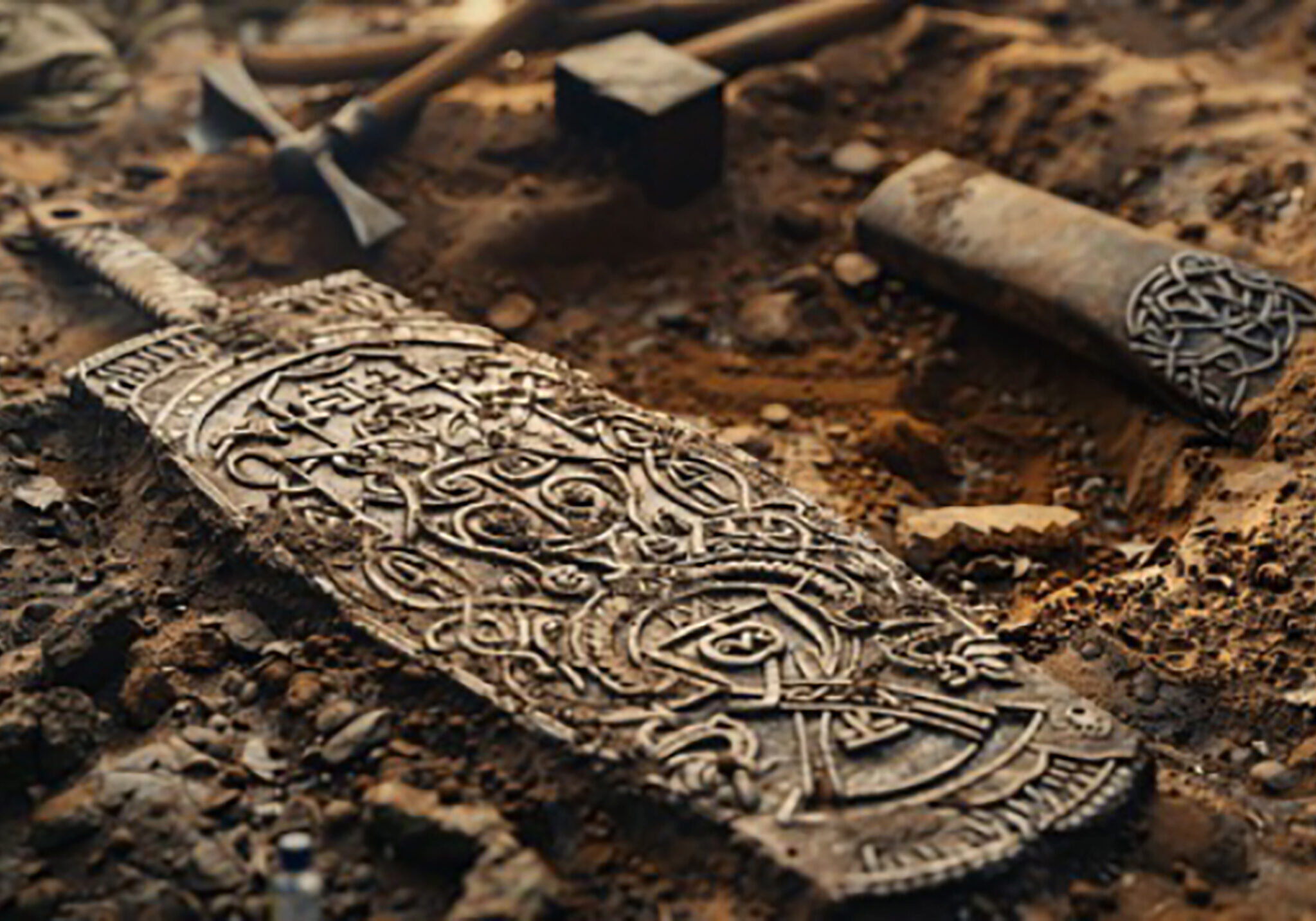

5 Common Questions Collectors Ask Before Buying Ancient Weapons
by Northern Life
Holding a piece of the past in your hands is a thrill that few hobbies can match. For many, the appeal lies in the incredible craftsmanship and cultural significance found within Ancient Weapons. These objects carry immense weight, but securing a genuine piece requires a disciplined and careful evaluation.
Issues such as authenticity and sourcing must be examined thoroughly before a collector makes a final decision. This article explores the essential questions you should ask to ensure your acquisitions are both historically significant and legally sound. By approaching the market with a critical eye, you can ensure that your collection remains a source of pride and true value.
1. How Does Condition Impact Historical Value?
The physical state of a weapon directly affects its desirability and its long-term monetary worth. For many collectors, a natural patina and structural stability are more important than a “shiny” appearance. Minimal restoration is generally preferred because it preserves the original work of the ancient blacksmith. You should be wary of items with excessive corrosion that threatens the metal’s integrity or modern alterations that change the weapon’s original shape.
A well-preserved piece tells a clearer story and maintains its market appeal much better than one that has been overly cleaned. Collectors often value “as-found” pieces because they show the true passage of time without artificial interference. Even a small amount of original wood or leather remaining on a hilt can significantly boost the interest from historians.
2. Where Can You Purchase With Confidence?
Finding a trustworthy source is the foundation of building a credible and respectable collection. Buyers should always seek out established dealers that provide detailed condition reports and transparent historical backgrounds for every piece. When searching for genuine Ancient Weapons, collectors often look for platforms that prioritize documentation and historical accuracy.

A great example is Relic & Rarity, which features specialized collections of ancient combat artifacts, armor, and historically significant pieces. Their curated selection focuses on items with verified origins, allowing you to browse through high-quality arrows, spears, and daggers with confidence. By choosing a seller that specializes specifically in combat items and defensive gear, you ensure that the expertise matches the artifacts you are interested in.
3. How Can Authenticity Be Properly Verified?
Authentication is the most critical step for any serious collector. To verify a piece, you must examine provenance records, which document the ownership history of the item over time. Experts also look closely at material composition, such as the specific type of bronze or iron used, to ensure it matches the era’s technology. It is important to look for signs of artificial aging or modern reproduction techniques that might be hidden under a fake patina.
Relying on expert evaluations and metallurgical testing can protect you from modern forgeries that lack true historical value. Professional appraisers often use X-ray fluorescence to check for modern alloys that should not be present in an antique. Understanding the specific forging techniques of a particular culture can also help you spot inconsistencies in the blade’s construction.
4. What Legal Considerations Should Be Reviewed?
Ownership laws and export regulations for antiquities are complex and vary significantly by region. Before buying, a collector must ensure the item complies with cultural heritage protections and that it was obtained through legal channels. Verifying that an artifact was not illegally excavated or exported is essential for both ethical and legal safety.
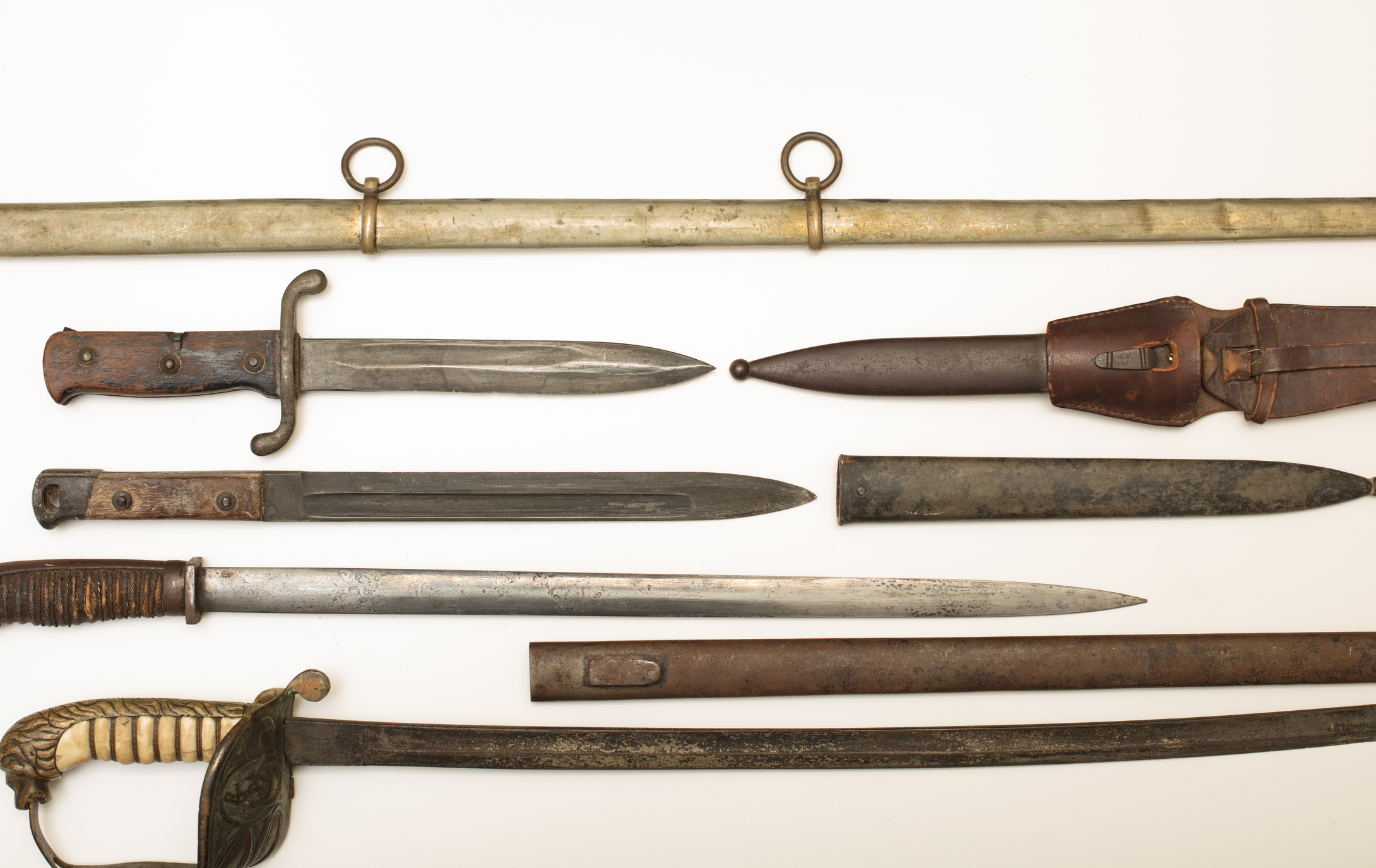
Many countries have strict rules about the movement of “national treasures,” so checking the export permits is a vital part of the due diligence process. Keeping a clean paper trail ensures that your collection is legally sound for years to come. You should always ask the seller for a written guarantee that the item was imported in accordance with all international treaties. This documentation is essential if you ever decide to loan your collection to a museum or sell it at a major auction house.
5. How Should These Artifacts Be Preserved at Home?
Once you have acquired a piece, maintaining its stability is vital for protecting your investment. Metal objects from antiquity are highly sensitive to humidity and temperature fluctuations, which can trigger rapid oxidation or “bronze disease.” Collectors should store their items in a climate-controlled environment and use archival-quality display cases to prevent dust and oil from their hands from causing damage.
Periodically checking the surface for any new signs of corrosion or flaking ensures that the artifact remains in top condition. Proper preservation allows these pieces to survive for many more centuries. Using microcrystalline wax can provide a protective barrier against moisture without changing the appearance of the metal. It is also wise to keep artifacts away from direct sunlight, which can cause temperature spikes and damage any organic components.
Conclusion
Careful evaluation of authenticity, sourcing, and legal compliance is essential before purchasing any historical artifact. Asking informed questions supports responsible collecting and helps preserve these incredible pieces of human history for future generations. When you take the time to research, your collection becomes more than just a set of objects; it becomes a preserved legacy of the ancient world.
Frequently Asked Questions
- Are Ancient Weapons legal to own in every country?
Ownership laws vary depending on the country and region. Some areas restrict the import, export, or possession of certain historical weapons. Collectors should always review local regulations and confirm proper documentation before purchasing. - How can beginners start collecting Ancient Weapons safely?
Beginners should start by researching specific historical periods and buying from reputable dealers with clear provenance records. Choosing well-documented and moderately priced items helps reduce risk. Learning from experienced collectors or appraisers can also provide valuable guidance. - Do Ancient Weapons increase in value over time?
Value depends on authenticity, rarity, condition, and documented history. Well-preserved pieces with strong provenance tend to maintain or increase their value. However, collectors should focus on historical significance rather than short-term profit. - What is the difference between a reproduction and an authentic artifact?
An authentic artifact dates back to the historical era it represents. A reproduction is a modern recreation made to resemble the original. Expert evaluation and material analysis help confirm authenticity.