

30-Minute Delivery: Does Speed Really Matter to Restaurant Customers?
by Northern Life
City life has long dictated its own rules. Orders are often placed between meetings, on the way home, or during short work breaks. The wait drags on, moods sour, and brand loyalty quickly wanes.
As a result, food delivery for restaurants is now perceived not as an additional option, but as part of the customer experience. In this context, Stuart is a reliable partner. The service helps restaurants and retailers build fast and manageable delivery processes for their businesses.
How Restaurant Customer Expectations Have Changed
Just a few years ago, one-hour delivery was considered the norm. Today, customers think differently. They compare services, read reviews, and make decisions in seconds. Delivery speed has become a key factor in customer choice.
According to Statista, the UK ranks third globally in terms of online food delivery market size, behind only China and the US. In 2024, the online food delivery market in the country was valued at approximately $48 billion. This reflects how food delivery has become embedded in everyday routines. People have become accustomed to convenience and expect it by default.
What Fast Delivery Benefits Restaurants
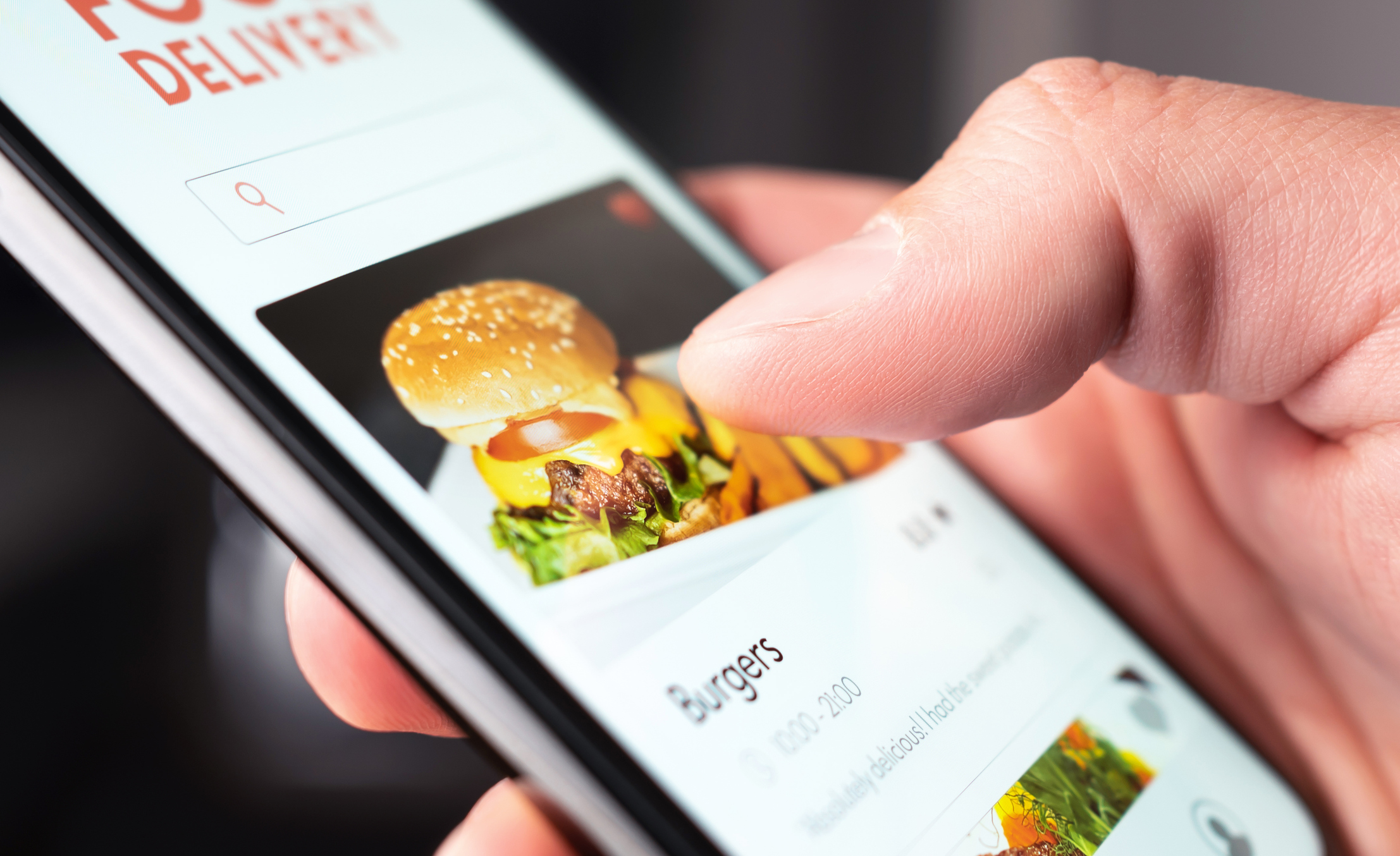
Speed isn’t just about the customer. It also impacts the business’s internal performance. When properly organised, 30-minute delivery can become a competitive advantage.
This effect is evident when speed is consistent and not random. Restaurant owners can observe the following positive changes:
- increased repeat orders;
- fewer cancellations and complaints;
- higher average order value;
- improved brand reputation;
- greater customer trust;
- strict process control.
Customers quickly become accustomed to good things. If a restaurant once promised fast delivery, it should maintain that level.
Is Speed Always the Most Important Thing?
Speed is not the top priority for all orders. Sometimes a customer is willing to wait longer for a favourite dish or a larger order. However, even in these cases, one thing is crucial: honesty. A clearly stated delivery time is valued more highly than a grandiose promise that isn’t kept.
Customers respond better to predictability. A restaurant that consistently delivers orders within 35 to 40 minutes is perceived as better than one with delivery times that range from 25 to 70 minutes. Speed must be manageable.
The Role of Logistics and Technology
Delivery within 30 minutes is impossible without precise logistics. Routes, kitchen occupancy, order transfer time to the courier, and fulfilment control are all crucial. It’s difficult for restaurants to manage these processes manually, especially as their volumes increase.
B2B last-mile delivery platforms help streamline these processes. They provide transparency, enable order tracking, and enable faster response to disruptions. As a result, restaurants can focus on the food rather than the chaos of delivery.
The Human Factor Still Matters
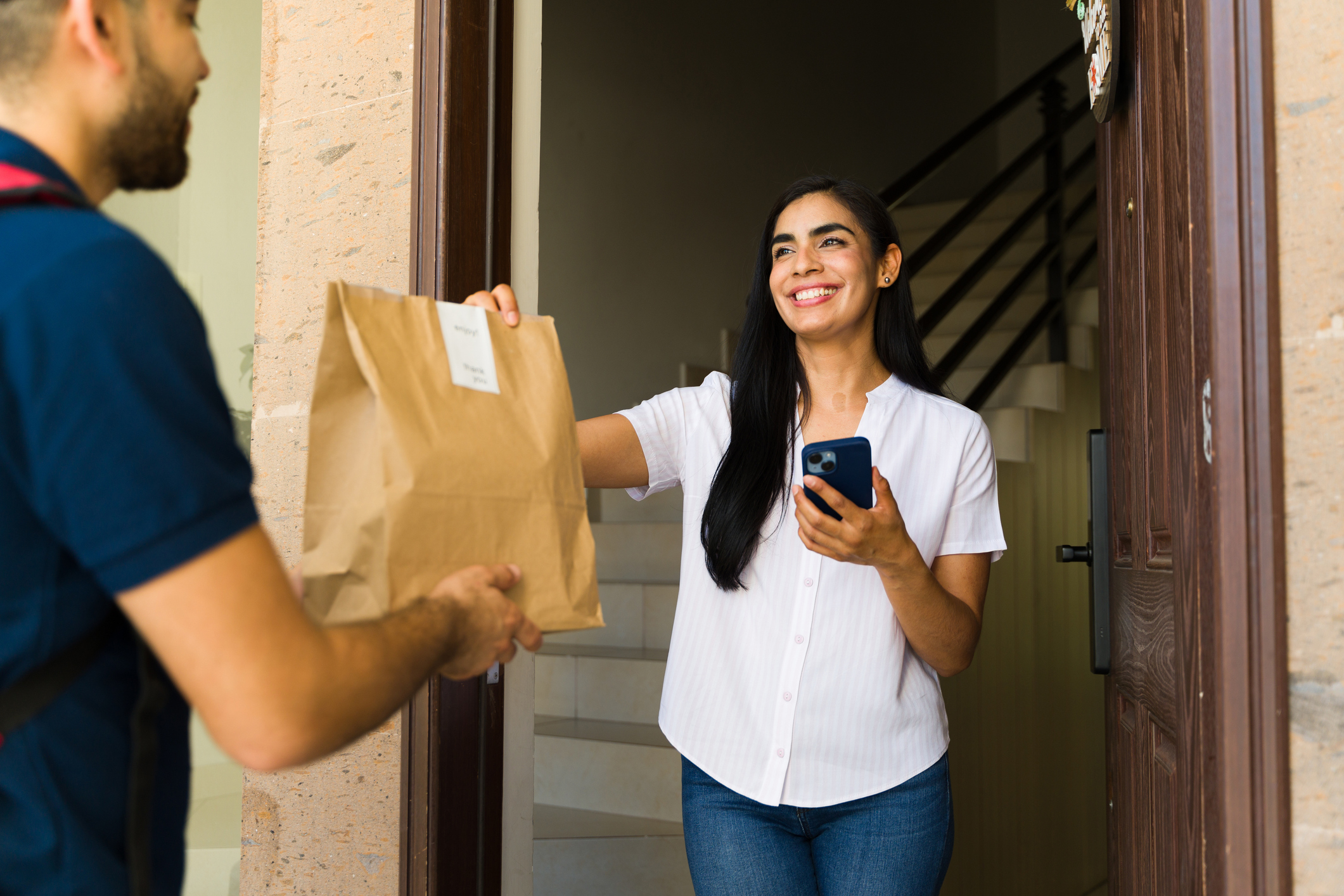
Even the fastest delivery can be disappointing. This happens when the courier is rude or delivers the order sloppily. Restaurant customers value the entire journey, not just the minutes. Politeness, neatness, and calm communication enhance the effect of speed.
Customer service experts note that a positive delivery experience increases the likelihood of a repeat order, even if the customer isn’t hungry at the time. Emotional impressions often outweigh rational evaluation in repeat-purchase decisions.
Conclusion
A 30-minute delivery is more than just a race against time. It’s a way to meet the expectations of customers who value convenience and predictability. For restaurants, speed becomes part of their brand and service.
When processes are properly built, fast delivery increases loyalty and strengthens market position. Solutions like those offered by Stuart help businesses manage speed consciously and turn it into a real competitive advantage.